
Ensuring Security in Email Batch Processing: A Comprehensive Guide for Enterprises
This guide examines how organizations can securely process bulk emails while adhering to compliance requirements, protecting sensitive data, and streamlining communication operations with Bidvest Data.
In today's digital landscape, secure email batch processing has become a vital component for enterprises, especially in sectors like finance and healthcare. With increasing regulations and cyber threats, understanding the mechanisms behind secure email handling is paramount. This guide delves deep into how organizations can efficiently process bulk emails while maintaining the highest standards of security, compliance, and operational efficiency.
Understanding the Basics of Email Batch Processing
Email batch processing involves sending large volumes of emails simultaneously, typically for purposes like newsletters, notifications, and transaction confirmations. While this method can enhance communication efficiency, it also poses significant security risks if not managed correctly.
Core Components of Secure Email Batch Processing
- Data Encryption: Utilizing encryption protocols (TLS/SSL) ensures that sensitive data is protected during transmission.
- Access Controls: Implementing role-based access controls restricts who can initiate email batch processes and access sensitive information.
- Secure Authentication: Multi-factor authentication methods enhance security by requiring additional verification steps.
- Compliance Checks: Regular audits to ensure adherence to regulatory standards such as POPIA are crucial for avoiding legal penalties.
- Error Handling Protocol: Establishing robust procedures for handling bounce-backs and delivery errors while maintaining security protocols.
Framework of Security Measures in Email Batch Processing
A multi-layered security approach is essential for safeguarding email batch processing. This approach includes a combination of technologies, protocols, and practices designed to protect sensitive information from unauthorized access and data breaches.
Effective security practices must be integrated into each phase of the email batch processing lifecycle, from data collection to delivery and feedback management.
Implementing Security Protocols
To successfully implement email batch processing security measures, enterprises should prioritize the following steps:
- Data Protection Policies: Develop and enforce policies that clearly outline data handling, processing, and retention methods.
- Regular Training Programs: Provide training for staff on cybersecurity best practices and the importance of secure email processing.
- Privacy Enhancements: Incorporate features such as email tracking and feedback loop mechanisms that respect recipient privacy while maintaining security.
- Comprehensive Testing: Conduct vulnerability assessments and penetration testing to identify weaknesses before processing large volumes of emails.
Email Batch Processing Use Cases Across Industries
Various sectors can benefit significantly from secure email batch processing, particularly in operational communications and customer engagement.
Finance and Banking
Institutions in this sector utilize secure email batch processing for sending transaction notifications, statements, and compliance-related communications, prioritizing security to protect sensitive customer data.
Healthcare
Healthcare providers send appointment reminders, patient follow-ups, and sensitive health information securely to ensure compliance with regulations like HIPAA.
Measuring the Effectiveness of Secure Email Batch Processing
Evaluating the effectiveness of security measures within email batch processing requires a set of metrics to measure performance, compliance, and risk mitigation.
Key Performance Indicators (KPIs)
- Secure email delivery success rates, aiming for 99.9%
- Reduction in spam complaints by 80%
- Decrease in data breach incidents related to email processing by 95%
- Compliance penalty reduction through established audit routines, targeting a 100% compliance rate
Conclusion: The Future of Secure Email Batch Processing
As the landscape of email communications continues to grow more complex, organizations must prioritize the security of email batch processing. By adopting best practices and leveraging advanced technologies, enterprises can ensure that their email communications remain secure, compliant, and effective.
Key Features Include
Discover our comprehensive solution features designed to transform your business communication experience
Managing your sending domains
We implement your designs, images and artwork for optimal delivery. We measure and manage spam ratings, and we monitor and manage blacklisting and reputation of sending domains.

Zero Rated Data
PDF documents, HTML content, videos and animations can be hosted on our Zero Rated Data domains. Reverse billing of data on these domains ensure access for end users to content at no cost. Bidvest Data offers this service on all South African and Namibian mobile networks.
Customizable
Bidvest Data offers custom-built, screen adaptive, HTML environments, enabling features like animation, rotating GIFs, and interactive buttons in the email body and built into the unique microsite.
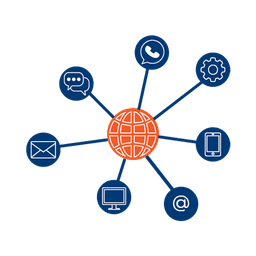
Large File Batch and Near Real Time Singular Sending
Our service includes automated large file batch sending through sFTP data transfer. The data can selectively drive template messaging. Near real-time email sending is facilitated through our API, using templates or dynamic text.
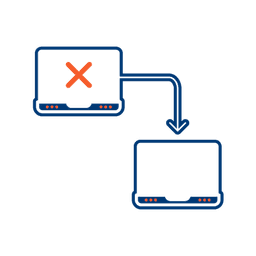
Integrated Failover to the next available channel
Where another channel in our omnichannel platform is unsuccessful in delivering a message, we can automatically fail over to email. Priority and fail over channels are configurable.

Detailed Reporting
Bidvest Data provides near-real-time and periodic aggregate batched reporting on consumer engagement, including link tracking, email delivery status, and customized reports on microsite access.
Ready to Transform Your EMAIL?
Get started today and see immediate results
Frequently Asked Questions
Get answers to common questions about EMAIL