
RCS vs SMS: Which is Best for Your Business in South Africa?
Dive into the differences between RCS and SMS for business messaging. Explore which platform suits your South African enterprise's needs, enhancing customer engagement and operational efficiency.
In an era where digital communication has transformed the way businesses interact with customers, the choice between RCS (Rich Communication Services) and SMS (Short Message Service) is becoming increasingly critical for enterprises. As a medium-sized or large business in South Africa, understanding the strengths and weaknesses of these messaging platforms can significantly impact your operational efficiency, customer engagement, and overall communication strategy.
Understanding SMS and RCS: The Basics
SMS has long been a reliable channel for businesses to send concise messages to customers. However, with the advent of RCS, a new paradigm of messaging is emerging. RCS enhances traditional SMS capabilities by enabling interactive features and richer media content.
Key Differences Between RCS and SMS
- Content Richness: RCS supports images, carousels, buttons, and quick reply options, offering a more engaging user experience compared to plain text SMS.
- Branding and Customization: RCS allows for greater branding opportunities with customized sender IDs, whereas SMS typically displays the sender's number.
- Analytics and Insights: RCS provides more robust analytics, enabling businesses to track user engagement and delivery metrics compared to the limited feedback from SMS.
- Message Length: RCS messages can be longer and can circumvent the character limits associated with SMS.
Why Choose RCS for Your Business?
The transition from SMS to RCS is influenced by several factors, particularly for businesses looking to enhance their customer engagement. Below are compelling reasons why RCS may be a preferred choice:
Enhanced User Engagement
- Ability to include multimedia content such as images and videos, making messages more visually compelling.
- Interactive elements such as buttons that allow customers to take immediate actions (like booking, buying, or sharing).
When SMS Might Be the Better Choice
Despite the advantages of RCS, there are scenarios where SMS may still hold value:
SMS remains an effective low-cost solution, especially for quick transactional messages like verification codes or notification alerts where interaction isn't necessary.
Compliance and Security Considerations
Both RCS and SMS must comply with South African regulations like the Protection of Personal Information Act (POPIA). As an enterprise, it is crucial to ensure that your communication strategies are both compliant and secure. RCS offers advanced security features by utilizing HTTPS for message transmission, compared to SMS which relies on simpler protocols.
Best Practices for Implementing RCS and SMS
- Segmentation: Tailor your messaging strategies by segmenting audiences based on preferences and behaviors.
- Automation: Utilize automation tools for maximum efficiency in sending out messages while tracking responses.
- Feedback Collection: Encourage customer feedback to understand how well your messaging resonates and ways to improve.
Making the Choice: RCS or SMS?
Ultimately, the choice between RCS and SMS for your business will depend on a variety of factors, including customer demographics, engagement goals, and budget constrictions. Evaluating the specific needs of your sector, such as financial services or healthcare, can help clarify which messaging system aligns with your operational objectives.
Concluding Thoughts
While both RCS and SMS offer valuable solutions for business communication, RCS represents the future of interactive customer engagement. For South African enterprises looking to elevate their messaging capabilities, understanding the implications of each platform is essential for driving customer satisfaction and operational efficiency.
Key Features Include
Discover our comprehensive solution features designed to transform your business communication experience
Personalized Microsites
Bidvest Data sends on average more than 10 million personalized SMS/SV SMS messages per month, with daily peaks exceeding 2 million messages. This comprises mainly of transactional notifications and hosted transactional data.
Secure and Trackable
The SMS channel delivers a secure, shortened personalized URL to the consumer, directing them to their unique microsite. All consumer activity can be tracked.

Zero Rated Data
PDF documents, HTML content, videos and animations can be hosted on our Zero Rated Data domains. Reverse billing of data on these domains ensure access for end users to content at no cost. Bidvest Data offers this service on all South African and Namibian mobile networks.
Customizable
Bidvest Data offers custom-built, screen adaptive, HTML environments, enabling features like animation, rotating GIFs, and interactive buttons.
Large File Batch and Near Real Time Singular Sending
Our service includes automated large file batch sending through sFTP data transfer. The data can selectively drive template messaging. Near real-time SMS sending is facilitated through our API, using templates or dynamic text.
Integrated Failover to the Next Available Channel
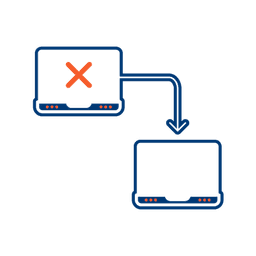
Where another channel in our omnichannel platform is unsuccessful in delivering a message, we can automatically fail over to SMS. Priority and fail over channels are configurable.

Detailed Reporting
Bidvest Data provides near-real-time and periodic aggregate batched reporting on consumer engagement, including link tracking, SMS and SV SMS delivery status, and customized reports on microsite access.
Ready to Transform Your Sms And Svsms?
Get started today and see immediate results
Frequently Asked Questions
Get answers to common questions about Sms And Svsms