
How to Transition from SMS to RCS: A Comprehensive Guide for South African Enterprises
Explore the comprehensive strategies for transitioning from SMS to RCS messaging. Discover the benefits, implementation steps, and how RCS can enhance your enterprise communication.
As mobile communication evolves, South African enterprises are increasingly recognizing the need to enhance their messaging strategies. Transitioning from SMS to Rich Communication Services (RCS) is a pivotal step toward delivering a more interactive and engaging customer experience. This guide offers a detailed examination of the transition process, the benefits of RCS over SMS, and practical implementation strategies tailored for medium and large businesses across various sectors.
Understanding the Shift: SMS vs. RCS
SMS has long been the standard for mobile messaging but comes with limitations such as restricted character counts and a lack of rich media capabilities. RCS, on the other hand, offers enhanced features that enable businesses to provide richer content, including images, carousels, buttons, and quick reply options. This provides a more immersive experience that reflects modern consumer expectations in sectors such as retail, finance, and telecommunications.
Key Differences Between SMS and RCS
- Rich Media Support: RCS supports multimedia elements such as images, videos, and carousels, enabling brands to deliver richer content.
- Branding Capabilities: RCS allows for branding elements like logos and colors, enhancing brand recognition compared to plain SMS.
- Interactivity: Consumers can engage directly within messages through buttons and quick replies, improving engagement rates.
- Analytics and Tracking: Unlike SMS, RCS provides in-depth analytics that can help enterprises track message performance and consumer behavior.
Benefits of Transitioning to RCS for Enterprises
Transitioning to RCS can offer substantial advantages for South African enterprises. The enhanced capabilities are not just attractive; they can translate to measurable business outcomes:
Enhanced Customer Engagement
RCS enables businesses to create interactive and personalized customer experiences, which can lead to higher engagement rates. For instance, financial services can send personalized banking updates with actionable buttons, enhancing user interaction with their financial products.
Improved Conversion Rates
With the ability to include images and calls-to-action, RCS messages are shown to have significantly higher conversion rates than traditional SMS marketing campaigns.
Cost-Effective Solutions
While RCS may involve higher initial setup costs, the long-term efficiency and effectiveness can lead to a more substantial ROI as businesses optimize their communication strategies.
Steps to Transition from SMS to RCS
Transitioning from SMS to RCS requires careful planning and execution. Here’s a strategic approach tailored for South African enterprises:
Step 1: Assess Your Current SMS Strategy
Evaluate how your organization currently uses SMS for customer communication. Identify successful campaigns and areas that require improvement.
Step 2: Understand RCS Capabilities
Research RCS functionalities to understand how they can enhance your messaging strategy. This includes rich media, quick replies, branded messages, and real-time analytics.
Step 3: Choose the Right RCS Provider
Select an RCS provider that aligns with your business needs. Consider factors such as compliance with South African laws (POPIA) and their ability to provide scalable solutions.
Step 4: Plan Your RCS Campaigns
Develop a strategy that details your messaging objectives, target audience, and key performance indicators. Leverage RCS features to create engaging and interactive campaigns.
Step 5: Monitor and Optimize
After launching your RCS campaigns, continually evaluate their performance using the analytics provided. Optimize messaging based on customer interaction data to enhance results.
Challenges in Transitioning and How to Overcome Them
Although transitioning to RCS presents numerous advantages, it is not without challenges. Common obstacles include integration with existing systems, employee training, and customer adoption. Here’s how to address these challenges:
Integration Strategies
- Ensure your RCS provider offers seamless integration capabilities with your existing CRM and marketing tools.
- Seek external expertise for integrating RCS with your enterprise systems effectively.
- Test functionalities in a controlled environment before full-scale rollout.
Training and Education
- Conduct training sessions for your marketing and customer service teams focused on RCS capabilities.
- Provide educational resources that highlight the advantages of RCS to the customer base to facilitate adoption.
Conclusion
Transitioning from SMS to RCS is not just an upgrade; it represents a strategic transformation in how South African enterprises engage with their customers. With thoughtful planning and execution, organizations can leverage RCS's advanced features to enhance communication, drive engagement, and achieve superior business results. The future is here, and embracing it can set your enterprise apart in a competitive market.
Key Features Include
Discover our comprehensive solution features designed to transform your business communication experience
Personalized Microsites
Bidvest Data sends on average more than 10 million personalized SMS/SV SMS messages per month, with daily peaks exceeding 2 million messages. This comprises mainly of transactional notifications and hosted transactional data.

Secure and Trackable
The SMS channel delivers a secure, shortened personalized URL to the consumer, directing them to their unique microsite. All consumer activity can be tracked.

Zero Rated Data
PDF documents, HTML content, videos and animations can be hosted on our Zero Rated Data domains. Reverse billing of data on these domains ensure access for end users to content at no cost. Bidvest Data offers this service on all South African and Namibian mobile networks.
Customizable
Bidvest Data offers custom-built, screen adaptive, HTML environments, enabling features like animation, rotating GIFs, and interactive buttons.
Large File Batch and Near Real Time Singular Sending
Our service includes automated large file batch sending through sFTP data transfer. The data can selectively drive template messaging. Near real-time SMS sending is facilitated through our API, using templates or dynamic text.
Integrated Failover to the Next Available Channel
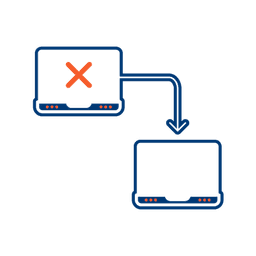
Where another channel in our omnichannel platform is unsuccessful in delivering a message, we can automatically fail over to SMS. Priority and fail over channels are configurable.

Detailed Reporting
Bidvest Data provides near-real-time and periodic aggregate batched reporting on consumer engagement, including link tracking, SMS and SV SMS delivery status, and customized reports on microsite access.
Ready to Transform Your Sms And Svsms?
Get started today and see immediate results
Frequently Asked Questions
Get answers to common questions about Sms And Svsms