
Best Practices for Managing Email Sending Domains: A Strategic Guide for Enterprises
Discover essential best practices for managing email sending domains effectively, enhancing deliverability, reputation management, and compliance for South African enterprises.
In today's digital communication landscape, managing email sending domains effectively is critical for enterprises looking to enhance their email deliverability and maintain robust reputation management. This comprehensive guide outlines essential best practices that IT decision-makers, compliance officers, and operational heads in South Africa's corporate sector should adopt to ensure secure, reliable, and efficient email operations.
Understanding the Importance of Email Sending Domain Management
Email sending domains play a vital role in how messages reach recipients' inboxes while maintaining the brand's integrity and trustworthiness. Effective management involves not only technical configurations but also strategic planning and continuous monitoring to safeguard against issues like domain spoofing and poor deliverability rates.
Key Challenges in Email Domain Management
- Ensuring compliance with regulations such as POPIA in South Africa and GDPR internationally.
- Maintaining high deliverability rates and protecting brand reputation.
- Mitigating risks associated with phishing and impersonation attacks.
- Managing multiple domains and subdomains effectively.
Best Practices for Effective Email Domain Management
1. Establish a Clear Domain Policy
Creating a written policy for email domain usage promotes consistency and security across the organization. This policy should outline:
- Permitted email domains and subdomains used for sending communications.
- Guidelines on employee usage, including training on security measures and appropriate content.
- Procedures for reporting suspicious activity or breaches.
2. Implement Authentication Protocols
Email authentication is crucial for protecting your domain from spoofing, phishing attacks, and other malicious activities. Leverage the following protocols:
Essential Authentication Standards
- SPF (Sender Policy Framework): Define which servers have permission to send emails on behalf of your domain, helping prevent unauthorized use.
- DKIM (DomainKeys Identified Mail): Use encrypted signatures that ensure the integrity of the email content as it travels, validating that it hasn’t been altered.
- DMARC (Domain-based Message Authentication, Reporting & Conformance): Establish policies for handling non-compliant messages and receive reports on your domain's email transactions.
3. Monitor Domain Reputation
Active monitoring of your domain’s reputation is vital for maintaining robust email deliverability. Utilize tools to track your sender ratings, bounce rates, and complaints to identify issues promptly. Some key practices include:
- Regularly review feedback loops provided by ISPs to address complaints from recipients.
- Analyze unsubscribe rates and adjust your communication strategies based on customer feedback.
- Employ third-party monitoring solutions to gain insights into domain reputation, ensuring timely action on disturbances.
4. Maintain a Clean Email List
An accurate and up-to-date email list is fundamental for achieving effective communication. Implement regular cleaning processes, which include:
- Removing inactive subscribers or users who have not engaged within a defined period.
- Segmenting your list to target specific audiences with relevant content.
- Utilizing double opt-in procedures to ensure valid email addresses at sign-up.
5. Educate Your Teams
Ensuring that employees understand the significance of email security and best practices in domain management is critical. Conduct regular training sessions that cover:
- How to spot phishing emails and other security threats.
- Proper use of organizational email signatures to maintain brand consistency.
- Reporting procedures for suspicious emails or domain misuse.
Conclusion: Enhancing Email Sending Domain Management for Enterprises
Managing email sending domains effectively requires a combination of strategic policy-making, technical configurations, and ongoing education for enterprise staff. By adopting these best practices, South African organizations can significantly improve their email deliverability, enhance security, and protect their brand reputation in the digital marketplace. Investing in a robust email domain management strategy is an essential step towards modern operational excellence.
Key Features Include
Discover our comprehensive solution features designed to transform your business communication experience
Managing your sending domains
We implement your designs, images and artwork for optimal delivery. We measure and manage spam ratings, and we monitor and manage blacklisting and reputation of sending domains.

Zero Rated Data
PDF documents, HTML content, videos and animations can be hosted on our Zero Rated Data domains. Reverse billing of data on these domains ensure access for end users to content at no cost. Bidvest Data offers this service on all South African and Namibian mobile networks.

Customizable
Bidvest Data offers custom-built, screen adaptive, HTML environments, enabling features like animation, rotating GIFs, and interactive buttons in the email body and built into the unique microsite.

Large File Batch and Near Real Time Singular Sending
Our service includes automated large file batch sending through sFTP data transfer. The data can selectively drive template messaging. Near real-time email sending is facilitated through our API, using templates or dynamic text.
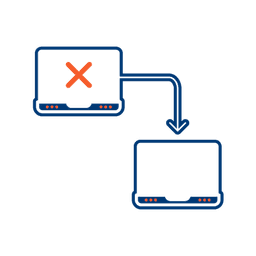
Integrated Failover to the next available channel
Where another channel in our omnichannel platform is unsuccessful in delivering a message, we can automatically fail over to email. Priority and fail over channels are configurable.

Detailed Reporting
Bidvest Data provides near-real-time and periodic aggregate batched reporting on consumer engagement, including link tracking, email delivery status, and customized reports on microsite access.
Ready to Transform Your EMAIL?
Get started today and see immediate results
Frequently Asked Questions
Get answers to common questions about EMAIL