
Zero-Rated SMS vs Traditional SMS Services: A Comprehensive Guide for South African Enterprises
Explore the key differences between zero-rated SMS and traditional SMS services in South Africa. Learn how to make informed communication decisions for your enterprise.
In the digital communication landscape, South African enterprises face a pivotal decision when it comes to message delivery options: the choice between zero-rated SMS services and traditional SMS services. This comprehensive guide aims to elucidate the fundamental differences between these two options, providing a detailed analysis for IT decision-makers and procurement managers. Understanding the nuances can help organizations streamline their communication strategies while maximizing cost efficiency and compliance.
Understanding Zero-Rated SMS Services
Zero-rated SMS services allow users to send and receive text messages without any data costs incurred. For enterprises operating in sectors like telecoms, healthcare, and financial services, employing zero-rated SMS can significantly enhance communication strategies, offering a cost-effective solution to reach clients and stakeholders.
Key Features of Zero-Rated SMS
- Cost-Free Communication: Allows users to send messages without subscription fees or any data charges.
- Widespread Accessibility: Ensures that all users, irrespective of their mobile plans, can receive critical communications.
- Promotes Engagement: Ideal for campaigns aimed at reaching low-income demographics without imposing extra costs on recipients.
Exploring Traditional SMS Services
Traditional SMS services operate on a pay-per-message model, where each sent message incurs a charge. While evidently more straightforward, traditional SMS services might not always align with the cost-reduction strategies enterprises seek.
Primary Attributes of Traditional SMS
- Infrastructure Support: Built on existing telecommunications infrastructure, which can provide reliable delivery.
- Greater Control: Enterprises maintain control over message delivery with customization options for branding and sender identity.
- No Data Dependency: Functions without the need for an internet connection, ensuring delivery in areas with limited connectivity.
Comparing Zero-Rated SMS and Traditional SMS: Key Considerations
When evaluating zero-rated SMS versus traditional SMS services, several critical factors come into play:
Cost Efficiency
Zero-rated SMS provides significant cost advantages, particularly for bulk messaging and outreach programs targeted at budget-sensitive customer bases. In contrast, traditional SMS can lead to higher costs for extensive campaigns.
Reach and Accessibility
Zero-rated SMS ensures accessibility, as it reaches customers without incurring costs. Traditional SMS may limit outreach based on recipients’ willingness to pay for message reception.
Delivery Reliability
Both systems provide reliable delivery, but traditional SMS may offer predictable delivery times due to established telecommunications standards.
Industry Applications and Use Cases
Zero-rated SMS is particularly suited for government communications, healthcare outreach, and educational notifications aimed at reducing barriers to information access. Traditional SMS remains essential for targeted marketing campaigns, transactional alerts, and customer service communications where sender customization and brand visibility are vital.
Use Case: Healthcare Communication
Zero-rated SMS can effectively disseminate health information, reminders for appointments, and public health alerts without charging patients.
Use Case: Financial Services
Traditional SMS is ideal for sending personalized transactional alerts and security notifications in a secure manner.
Conclusion: Making the Right Choice for Your Enterprise
Ultimately, the decision between zero-rated SMS and traditional SMS services should be guided by the specific communication needs, customer demographics, and budget constraints of your enterprise. Evaluating the unique advantages and challenges of both options will empower your organization to optimize its messaging strategy effectively.
Key Features Include
Discover our comprehensive solution features designed to transform your business communication experience

Personalized Microsites
Bidvest Data sends on average more than 10 million personalized SMS/SV SMS messages per month, with daily peaks exceeding 2 million messages. This comprises mainly of transactional notifications and hosted transactional data.

Secure and Trackable
The SMS channel delivers a secure, shortened personalized URL to the consumer, directing them to their unique microsite. All consumer activity can be tracked.

Zero Rated Data
PDF documents, HTML content, videos and animations can be hosted on our Zero Rated Data domains. Reverse billing of data on these domains ensure access for end users to content at no cost. Bidvest Data offers this service on all South African and Namibian mobile networks.

Customizable
Bidvest Data offers custom-built, screen adaptive, HTML environments, enabling features like animation, rotating GIFs, and interactive buttons.

Large File Batch and Near Real Time Singular Sending
Our service includes automated large file batch sending through sFTP data transfer. The data can selectively drive template messaging. Near real-time SMS sending is facilitated through our API, using templates or dynamic text.
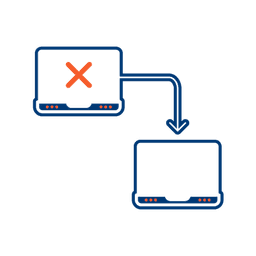
Integrated Failover to the Next Available Channel
Where another channel in our omnichannel platform is unsuccessful in delivering a message, we can automatically fail over to SMS. Priority and fail over channels are configurable.

Detailed Reporting
Bidvest Data provides near-real-time and periodic aggregate batched reporting on consumer engagement, including link tracking, SMS and SV SMS delivery status, and customized reports on microsite access.
Ready to Transform Your Sms And Svsms?
Get started today and see immediate results
Frequently Asked Questions
Get answers to common questions about Sms And Svsms