
Zero-Rated Email Service for Government Sectors: A Comprehensive Guide
Discover how zero-rated email services can enhance communication within government sectors in South Africa, providing cost-effective and secure means of engagement with citizens.
In the evolving landscape of digital communication, government sectors are consistently seeking cost-effective and efficient solutions to facilitate communication. A zero-rated email service stands as an essential advancement to enable uninterrupted communication without incurring data costs. This comprehensive guide provides an in-depth exploration of zero-rated email services specifically tailored for government agencies, highlighting their benefits, implementation strategies, and compliance considerations.
Understanding Zero-Rated Email Services
Zero-rated email services allow users to send and receive emails without consuming their data packages, significantly reducing operational costs and encouraging more frequent communication with citizens. This becomes particularly vital in government sectors where budget constraints are common, and effective outreach is critical.
Key Features of Zero-Rated Email Services
- No Data Charges: Government sectors can utilize email services without the burden of data costs, ensuring communication remains accessible.
- Secure Communication: Protecting sensitive government correspondence through encryption and security protocols is essential in this service.
- User-Friendly Interface: An intuitive interface ensures ease of use for diverse government personnel, enhancing operational efficiency.
- Integration with Existing Systems: Seamless API integration with current government IT systems allows for consistent workflow management.
Benefits of Implementing Zero-Rated Email Services
The advantages of adopting zero-rated email services for government sectors are extensive, ranging from financial savings to improved public engagement. Here are some critical benefits:
Cost Savings
- Eliminates Data Costs: With zero-rated emails, government agencies can allocate funds towards service delivery rather than communication expenses.
- Encourages User Adoption: More citizens will utilize government communication channels when data costs are removed.
- Enhanced Outreach Capabilities: Improved communication efficiency allows for better public engagement initiatives and outreach programs.
Implementation Strategies for Government Agencies
For successful implementation, government sectors must navigate several critical steps:
Step-by-Step Implementation Guide
- Assess Requirements: Identify communication needs, including frequency, audience, and common touchpoints.
- Select a Provider: Choose a reputable zero-rated email service provider that meets compliance and security requirements.
- Integration with Existing Systems: Work closely with IT teams to ensure seamless integration of the new email platform with current government systems.
- Conduct Training Sessions: Organize training for all personnel on the new system to maximize utilization and efficiency.
- Monitor and Evaluate Performance: Regularly assess the service’s impact on communication efforts and make adjustments as needed.
Compliance and Security Considerations
Integration of a zero-rated email service necessitates stringent compliance with South African regulations, including the Protection of Personal Information Act (POPIA). Here are important compliance measures to consider:
Essential Security Measures
- Regular Audits: Implement periodic audits to ensure compliance and security standards are maintained.
- Data Encryption: Use encryption protocols for the transmission and storage of government emails, protecting sensitive information from unauthorized access.
- User Access Controls: Define clear user access policies to ensure that only authorized personnel can access sensitive information.
Conclusion: Future of Communication in Government Sectors
Zero-rated email services present a groundbreaking opportunity for government sectors in South Africa to enhance their communication strategies without the baggage of data costs. As public demand for transparency and accessibility increases, adopting these innovative solutions is critical for engaging citizens effectively and operationalizing government services. Investing in zero-rated email infrastructure not only maximizes budget efficiency but also builds a connected society.
Key Features Include
Discover our comprehensive solution features designed to transform your business communication experience
Managing your sending domains
We implement your designs, images and artwork for optimal delivery. We measure and manage spam ratings, and we monitor and manage blacklisting and reputation of sending domains.

Zero Rated Data
PDF documents, HTML content, videos and animations can be hosted on our Zero Rated Data domains. Reverse billing of data on these domains ensure access for end users to content at no cost. Bidvest Data offers this service on all South African and Namibian mobile networks.

Customizable
Bidvest Data offers custom-built, screen adaptive, HTML environments, enabling features like animation, rotating GIFs, and interactive buttons in the email body and built into the unique microsite.

Large File Batch and Near Real Time Singular Sending
Our service includes automated large file batch sending through sFTP data transfer. The data can selectively drive template messaging. Near real-time email sending is facilitated through our API, using templates or dynamic text.
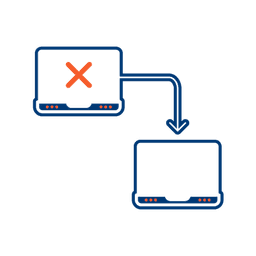
Integrated Failover to the next available channel
Where another channel in our omnichannel platform is unsuccessful in delivering a message, we can automatically fail over to email. Priority and fail over channels are configurable.

Detailed Reporting
Bidvest Data provides near-real-time and periodic aggregate batched reporting on consumer engagement, including link tracking, email delivery status, and customized reports on microsite access.
Ready to Transform Your EMAIL?
Get started today and see immediate results
Frequently Asked Questions
Get answers to common questions about EMAIL