
Understanding the Challenges of Data Protection Systems in South African Enterprises
Explore the key challenges South African enterprises face when implementing data protection systems. Learn strategies to navigate compliance, technological, and human factors impacting data security.
In an era where data breaches are an everyday reality, enterprises in South Africa are increasingly prioritizing data protection systems to safeguard sensitive information. However, deploying and maintaining these systems come with a unique set of challenges that organizations must navigate. This blog explores these challenges in-depth, offering insights into how businesses can overcome them to achieve effective data protection while remaining compliant with South African regulations like POPIA.
The Data Protection Landscape in South Africa
Data protection in South Africa is governed primarily by the Protection of Personal Information Act (POPIA), which outlines strict regulations governing the processing of personal data. Organizations within sectors such as financial services, healthcare, and government must implement robust data protection strategies to avoid hefty penalties and reputational damage. In this context, understanding the challenges associated with data protection systems is critical for compliance and operational excellence.
Key Challenges Facing Data Protection Systems
Implementing data protection systems is no trivial task. Below are some of the most pressing challenges that enterprises in South Africa face:
1. Regulatory Compliance
- Understanding POPIA: Navigating the complex requirements of the POPIA can be daunting for organizations. Many are unsure about what constitutes "personal information" and how to handle such data responsibly.
- Compliance Audits: Maintaining compliance involves regular audits and assessments, which require dedicated resources and expertise.
2. Technological Challenges
- Integration with Legacy Systems: Existing infrastructure may not support modern data protection technologies, creating integration challenges.
- Data Encryption: Implementing effective encryption can be complex due to varying standards and protocols.
3. Human Factors
- Employee Training: Insufficient training often leads to human errors that can compromise data security.
- Cultural Resistance: Organizational culture may resist necessary changes due to fears of increased workload or lack of understanding about data protection's importance.
Strategies for Overcoming Data Protection Challenges
While the challenges are substantial, businesses can adopt several strategies to mitigate risks related to data protection:
1. Implement Comprehensive Training Programs
Regular training sessions on data handling, compliance requirements, and cybersecurity best practices can empower employees to be proactive about data protection.
2. Conduct Regular Compliance Audits
Periodic assessments can help identify areas needing improvement regarding compliance with POPIA and other regulations.
3. Invest in Modern Technologies
Utilizing cloud solutions, end-to-end encryption, and AI can enhance data protection frameworks while leveraging automation to reduce manual errors.
Conclusion: Moving Toward Effective Data Protection
The challenges associated with data protection systems in South Africa are complex but not insurmountable. Organizations prioritizing compliance, technological advancement, and employee training will be better positioned to protect sensitive information and build trust with their stakeholders. By understanding these challenges and actively working to address them, enterprises can effectively navigate the data protection landscape and ensure robust compliance with evolving regulations.
Key Features Include
Discover our comprehensive solution features designed to transform your business communication experience
Personalized Microsites
Bidvest Data sends on average more than 10 million personalized SMS/SV SMS messages per month, with daily peaks exceeding 2 million messages. This comprises mainly of transactional notifications and hosted transactional data.
Secure and Trackable
The SMS channel delivers a secure, shortened personalized URL to the consumer, directing them to their unique microsite. All consumer activity can be tracked.

Zero Rated Data
PDF documents, HTML content, videos and animations can be hosted on our Zero Rated Data domains. Reverse billing of data on these domains ensure access for end users to content at no cost. Bidvest Data offers this service on all South African and Namibian mobile networks.
Customizable
Bidvest Data offers custom-built, screen adaptive, HTML environments, enabling features like animation, rotating GIFs, and interactive buttons.
Large File Batch and Near Real Time Singular Sending
Our service includes automated large file batch sending through sFTP data transfer. The data can selectively drive template messaging. Near real-time SMS sending is facilitated through our API, using templates or dynamic text.
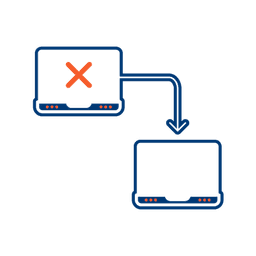
Integrated Failover to the Next Available Channel
Where another channel in our omnichannel platform is unsuccessful in delivering a message, we can automatically fail over to SMS. Priority and fail over channels are configurable.
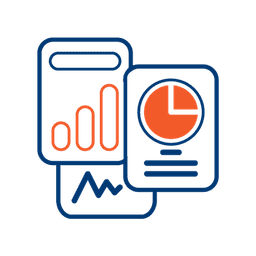
Detailed Reporting
Bidvest Data provides near-real-time and periodic aggregate batched reporting on consumer engagement, including link tracking, SMS and SV SMS delivery status, and customized reports on microsite access.
Ready to Transform Your Sms And Svsms?
Get started today and see immediate results
Frequently Asked Questions
Get answers to common questions about Sms And Svsms