
Best Practices for Data Protection Systems: An Essential Guide for South African Enterprises
Explore best practices for building effective data protection systems tailored for South African enterprises. Learn strategies that enhance security, ensure compliance, and safeguard sensitive information.
In an era where data breaches have become increasingly common, robust data protection systems are crucial for safeguarding sensitive information. South African enterprises, particularly in heavily regulated sectors such as finance, healthcare, and government, must implement comprehensive data protection strategies that comply with local laws, including the Protection of Personal Information Act (POPIA). This guide outlines best practices that will help organizations build resilient data protection systems, enhancing data security and facilitating compliance.
Understanding the Landscape of Data Protection
With the proliferation of digital information, enterprises are at greater risk of data loss and breaches. Effective data protection goes beyond traditional security measures; it is an integrated approach that encompasses technology, processes, and people. South African businesses need a strategic framework that addresses potential vulnerabilities while ensuring compliance with relevant regulations.
Key Components of a Data Protection Strategy
- Data Classification: Identify and categorize data types according to sensitivity and regulatory requirements to implement appropriate security measures.
- Access Control: Employ strict policies for data access with role-based permissions, ensuring that only authorized personnel can access sensitive information.
- Encryption: Use encryption technologies for data at rest and in transit to protect sensitive data from unauthorized access.
- Incident Response Planning: Develop a detailed incident response plan to minimize damage in case of a data breach.
Implementing Data Security Best Practices
Adopting specific best practices is essential for implementing effective data protection systems. Here are critical recommendations tailored for South African enterprises:
Step-by-Step Implementation
- Conduct a Risk Assessment: Identify vulnerabilities and evaluate the potential impact of data breaches on the organization.
- Develop Data Handling Policies: Formulate clear policies that define how data is collected, stored, processed, and shared while ensuring POPIA compliance.
- Training and Awareness: Regularly educate employees about data protection policies, emphasizing the importance of security and compliance.
- Implement Robust Technologies: Utilize advanced security technologies, such as firewalls, intrusion detection systems, and data loss prevention tools to fortify the infrastructure.
- Regularly Monitor and Audit: Continuously monitor systems and conduct periodic audits to identify weaknesses and ensure compliance with data protection practices.
The Importance of Compliance with POPIA
Compliance with POPIA is a vital aspect of data protection for South African enterprises. Understanding regulatory obligations can build trust with customers and stakeholders. Transparency, accountability, and adherence to the Act not only minimize legal risks but also enhance the organization's reputation as a data-conscious entity.
Key POPIA Requirements
- Data must be processed lawfully and transparently.
- Information should only be collected for specific, lawful purposes.
- Organizational measures must be implemented to protect personal data from loss or unauthorized access.
- Data subjects should have the right to access their personal information and request corrections.
Evaluating the Effectiveness of Data Protection Measures
After implementing a data protection strategy, organizations must continuously evaluate the effectiveness of their measures. Setting up key performance indicators (KPIs) and regularly reviewing incident reports will help in the assessment of the framework's performance. Additionally, feedback from regulatory audits and customer satisfaction surveys can provide insight into areas that require improvement.
Common KPIs to Track
- Reduction in the number of data breaches.
- Time taken to detect and respond to incidents.
- Employee compliance rates with data handling policies.
- Success of employee training programs in enhancing awareness.
Future-Proofing Your Data Protection Strategy
Data protection is an ongoing process that requires continual adaptation to emerging threats and changes in regulatory climates. Establishing a culture of security within the organization and investing in up-to-date solutions will help future-proof data protection efforts and ensure compliance. Enterprises must remain vigilant and proactive in their data protection endeavors to navigate the ever-evolving landscape of risks effectively.
Key Features Include
Discover our comprehensive solution features designed to transform your business communication experience

Personalized Microsites
Bidvest Data sends on average more than 10 million personalized SMS/SV SMS messages per month, with daily peaks exceeding 2 million messages. This comprises mainly of transactional notifications and hosted transactional data.
Secure and Trackable
The SMS channel delivers a secure, shortened personalized URL to the consumer, directing them to their unique microsite. All consumer activity can be tracked.

Zero Rated Data
PDF documents, HTML content, videos and animations can be hosted on our Zero Rated Data domains. Reverse billing of data on these domains ensure access for end users to content at no cost. Bidvest Data offers this service on all South African and Namibian mobile networks.
Customizable
Bidvest Data offers custom-built, screen adaptive, HTML environments, enabling features like animation, rotating GIFs, and interactive buttons.
Large File Batch and Near Real Time Singular Sending
Our service includes automated large file batch sending through sFTP data transfer. The data can selectively drive template messaging. Near real-time SMS sending is facilitated through our API, using templates or dynamic text.
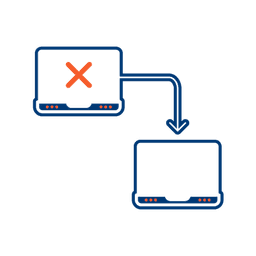
Integrated Failover to the Next Available Channel
Where another channel in our omnichannel platform is unsuccessful in delivering a message, we can automatically fail over to SMS. Priority and fail over channels are configurable.

Detailed Reporting
Bidvest Data provides near-real-time and periodic aggregate batched reporting on consumer engagement, including link tracking, SMS and SV SMS delivery status, and customized reports on microsite access.
Ready to Transform Your Sms And Svsms?
Get started today and see immediate results
Frequently Asked Questions
Get answers to common questions about Sms And Svsms