
Troubleshooting Email Sending Domain Problems: A Comprehensive Guide for South African Enterprises
South African corporate decision-makers can address email sending domain challenges effectively. Discover common issues, troubleshooting strategies, and best practices to maintain communication integrity.
In the corporate landscape, email remains a crucial communication tool, particularly for businesses operating in sectors like finance, healthcare, and government. Often, enterprises face challenges related to email sending domains which can lead to serious communication disruptions. This guide provides an in-depth exploration of common email sending domain problems, alongside practical troubleshooting strategies tailored for South African enterprises.
Understanding the Importance of Email Sending Domains
An email sending domain refers to the domain name that appears in the "From" field of an email. It's a fundamental element in establishing the credibility and deliverability of email communications. When emails are sent from an unverified or improperly configured domain, they may end up in spam folders, be blocked entirely, or lead to a loss of trust from clients and partners.
Why Troubleshooting Email Sending Domain Issues Matters
For medium to large enterprises, maintaining a high standard of email deliverability and trust is vital. Issues with email sending domains not only hamper business operations but can also damage reputation and trust with stakeholders. Therefore, proactive troubleshooting is essential to ensure that communication remains seamless and effective.
Common Email Sending Domain Problems
- Domain Misconfiguration: Incorrect DNS settings or a lack of necessary DNS records (SPF, DKIM, DMARC) may prevent successful email delivery.
- Email Spoofing: Unauthorized use of your domain can lead to spoofing, affecting your brand's credibility and leading to message rejection by other servers.
- Blacklisting: If your sending domain is blacklisted, your emails may be blocked or classified as spam, significantly reducing deliverability rates.
- Service Provider Restrictions: Email service providers may impose sending limits or restrictions based on previous sending behaviors or frequency, impacting your ability to communicate effectively.
Step-by-Step Troubleshooting Guide
To effectively troubleshoot domain problems, follow this structured approach:
1. Verify Domain Configuration
Ensure that your DNS settings are correctly configured:
- Check your SPF record to ensure it includes the IP addresses of your mail servers.
- Set up DKIM signing so emails are validated as originating from your domain.
- Implement a DMARC policy to monitor and protect your domain from misuse.
2. Test for Blacklisting
Use various online tools to check if your domain is listed on any major blacklists. If blacklisted, follow the steps provided by the blacklist administrator to request removal.
3. Monitor Sending Behavior
Evaluate your email sending patterns. If there are spikes or unusual activity, this may lead to temporary blocks by your ISP. Adjust sending practices accordingly.
4. Validate Authentication
Ensure authentication methods are functioning correctly. Conduct tests to verify that emails are being sent from addresses authorized by your domain.
Best Practices for Maintaining Healthy Email Sending Domains
To avoid future problems, incorporate these best practices:
- Regular Audits: Conduct regular audits of your email configurations and sending practices to ensure compliance and performance.
- Engagement Monitoring: Monitor engagement rates of sent emails to gauge deliverability and adapt strategies based on recipient interaction.
- Educate Staff: Provide training for employees involved in email marketing or communications to recognize the importance of email domain integrity.
- Utilize Monitoring Tools: Implement tools that provide real-time alerts for domain reputation and deliverability issues.
Conclusion
Email sending domain problems can be detrimental to enterprise communication efficiency. By understanding common issues, following proactive troubleshooting steps, and adhering to best practices, South African enterprises can ensure reliable and effective communications. Maintaining a trustworthy email sending domain is not just about compliance—it's essential for preserving business relationships and driving success.
Key Features Include
Discover our comprehensive solution features designed to transform your business communication experience

Managing your sending domains
We implement your designs, images and artwork for optimal delivery. We measure and manage spam ratings, and we monitor and manage blacklisting and reputation of sending domains.

Zero Rated Data
PDF documents, HTML content, videos and animations can be hosted on our Zero Rated Data domains. Reverse billing of data on these domains ensure access for end users to content at no cost. Bidvest Data offers this service on all South African and Namibian mobile networks.

Customizable
Bidvest Data offers custom-built, screen adaptive, HTML environments, enabling features like animation, rotating GIFs, and interactive buttons in the email body and built into the unique microsite.

Large File Batch and Near Real Time Singular Sending
Our service includes automated large file batch sending through sFTP data transfer. The data can selectively drive template messaging. Near real-time email sending is facilitated through our API, using templates or dynamic text.
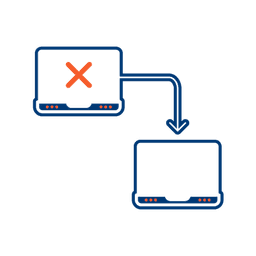
Integrated Failover to the next available channel
Where another channel in our omnichannel platform is unsuccessful in delivering a message, we can automatically fail over to email. Priority and fail over channels are configurable.

Detailed Reporting
Bidvest Data provides near-real-time and periodic aggregate batched reporting on consumer engagement, including link tracking, email delivery status, and customized reports on microsite access.
Ready to Transform Your EMAIL?
Get started today and see immediate results
Frequently Asked Questions
Get answers to common questions about EMAIL