
Common Issues with Email Sending Domains: A Comprehensive Guide for Enterprises
Explore the common issues associated with email sending domains affecting South African enterprises. Learn strategies to improve deliverability, maintain compliance, and enhance communication efficiency.
Email communication remains a cornerstone of business operations, particularly for corporate environments in South Africa. However, companies often encounter a range of issues with their email sending domains that can hinder operational efficiency, impact client relationships, and lead to compliance violations. In this detailed guide, we explore the common issues associated with email sending domains, their implications for enterprises, and solutions to mitigate these challenges.
Understanding Email Sending Domains
An email sending domain is the domain from which incoming emails appear to be sent. It plays a critical role in establishing a brand's credibility, ensuring deliverability, and maintaining compliance with privacy regulations like POPIA in South Africa. Understanding the challenges associated with email sending domains is vital for IT decision-makers and compliance officers within enterprises.
The Importance of Email Sending Domains
Email domains serve not only as an identity for businesses but also impact how emails are accepted by recipients' mail servers. Issues in this realm can lead to poor deliverability rates, potential blacklisting, and compromised corporate communications.
Key Functions of Email Sending Domains
- Branding: Reinforces brand identity and trust during communications.
- Deliverability: Affects metrics such as open rates and response rates.
- Compliance: Ensures adherence to regulations on information security and privacy.
Common Issues with Email Sending Domains
Enterprises can face numerous issues relating to their email sending domains that may lead to operational inefficiencies. Here, we outline some of the most common challenges:
1. Blacklisting
One of the most severe challenges is being blacklisted by major email service providers (ESPs). This can occur due to:
- Sending spam or unsolicited emails.
- Having compromised accounts within the domain.
- Failure to properly authenticate emails.
Impact of Blacklisting: A blacklisted domain will experience significantly reduced email deliverability, ultimately affecting client communication and cross-department coordination.
2. Poor Authentication Practices
Lack of proper authentication protocols can compromise email integrity. Key authentication standards include:
- SPF (Sender Policy Framework): Defines which IP addresses are allowed to send emails on behalf of your domain.
- DKIM (DomainKeys Identified Mail): Adds a digital signature to emails, ensuring they are not altered in transit.
- DMARC (Domain-based Message Authentication, Reporting & Conformance): Helps protect against email spoofing.
Poor implementation or lack of these practices can lead to important emails landing in spam folders instead of the intended inboxes.
3. Reputation Management Issues
Maintaining a strong sender reputation is crucial. Factors affecting your reputation can include:
- High bounce-back rates.
- Low engagement rates (i.e., high unsubscribe rates).
- Weak email content that fails to engage recipients.
Taking Action: Solutions to Email Domain Issues
To address these email sending domain issues, enterprises can implement several strategic measures:
1. Regular Monitoring and Testing
Frequent reviews of email deliverability, monitoring spam scores, and ensuring that authentication records are up to date can prevent potential issues before they escalate.
2. Compliance and Best Practices
Understanding legal implications under POPIA and adhering to best practices for email marketing and communications can shield the organization from compliance violations and improve reputation.
3. Engaging Professional Services
For medium to large enterprises, engaging with expert service providers such as Bidvest Data can streamline email communications and significantly reduce the administrative burden associated with managing sending domains.
Conclusion
In conclusion, while email sending domains are crucial for effective corporate communication, they also pose several challenges that require timely attention. By understanding these common issues, enterprises can implement best practices that enhance deliverability, compliance, and overall operational efficiency.
Key Features Include
Discover our comprehensive solution features designed to transform your business communication experience
Managing your sending domains
We implement your designs, images and artwork for optimal delivery. We measure and manage spam ratings, and we monitor and manage blacklisting and reputation of sending domains.

Zero Rated Data
PDF documents, HTML content, videos and animations can be hosted on our Zero Rated Data domains. Reverse billing of data on these domains ensure access for end users to content at no cost. Bidvest Data offers this service on all South African and Namibian mobile networks.

Customizable
Bidvest Data offers custom-built, screen adaptive, HTML environments, enabling features like animation, rotating GIFs, and interactive buttons in the email body and built into the unique microsite.

Large File Batch and Near Real Time Singular Sending
Our service includes automated large file batch sending through sFTP data transfer. The data can selectively drive template messaging. Near real-time email sending is facilitated through our API, using templates or dynamic text.
Integrated Failover to the next available channel
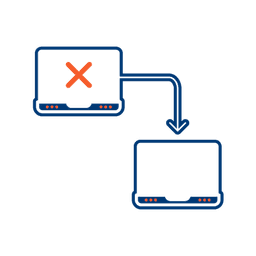
Where another channel in our omnichannel platform is unsuccessful in delivering a message, we can automatically fail over to email. Priority and fail over channels are configurable.

Detailed Reporting
Bidvest Data provides near-real-time and periodic aggregate batched reporting on consumer engagement, including link tracking, email delivery status, and customized reports on microsite access.
Ready to Transform Your EMAIL?
Get started today and see immediate results
Frequently Asked Questions
Get answers to common questions about EMAIL