
Steps to Set Up Integrated Failover SMS Communications for Enterprises
Discover essential steps to implement integrated failover SMS communications for your enterprise. Ensure business continuity and enhance messaging reliability with this comprehensive guide.
In today’s fast-paced business environment, ensuring seamless communication is vital for enterprise success. Integrated failover SMS communications provide businesses the resilience they need to maintain contact with clients and stakeholders, particularly during unexpected disruptions. This comprehensive guide outlines the essential steps to implement an integrated failover SMS communication system tailored for medium and large enterprises in South Africa.
Understanding Integrated Failover SMS Communications
Integrated failover SMS communications encompass a strategy whereby organizations employ multiple SMS gateways, ensuring uninterrupted messaging capabilities even if the primary gateway fails. This is crucial for companies that rely heavily on SMS for operational notifications, marketing campaigns, and transactional communications.
Why Integrated Failover is Essential
- Business Continuity: Minimize downtime and maintain customer communication during system outages.
- Enhanced Reliability: Achieve higher delivery success rates by routing messages through backup gateways.
- Cost Efficiency: Reduce costs associated with lost messages and operational disruptions.
- Compliance Assurance: Ensure adherence to communication regulations and guidelines specific to industries and regions.
Step-by-Step Guide to Setting Up Integrated Failover SMS Communications
Step 1: Assess Communication Needs
Identify the exact SMS communication requirements of your enterprise, such as the volume of messages sent, the target audience, and the criticality of the messages. Determine key use cases including alerts, notifications, customer updates, and marketing initiatives.
Step 2: Choose Reliable SMS Gateway Providers
Select multiple SMS gateway providers to enhance reliability. Compare different service providers based on their uptime guarantees, message delivery speeds, and integration capabilities. It's vital to evaluate each provider’s geographic coverage to ensure they cater to your specific enterprise requirements.
Step 3: Establish Integration Protocols
Integrate the selected SMS gateways with your existing communication infrastructure. Ensure that your systems can automatically failover from one gateway to another without manual intervention. Use APIs that facilitate seamless message routing based on availability and performance.
Step 4: Implement Monitoring Solutions
Set up real-time monitoring tools to track the performance of each SMS gateway. This includes monitoring delivery rates, latency, and system health. Establish thresholds that trigger failover procedures, ensuring that your organization can act swiftly in response to an issue.
Step 5: Test Your Failover Mechanism
Before going live, conduct thorough tests of the failover SMS communication system. Simulate various failure scenarios to evaluate the system's responsiveness and reliability. Ensure that all stakeholders are informed about procedures and expected outcomes during the testing process.
Step 6: Train Your Staff
Training staff on how to use the integrated SMS communications system effectively is key to ensuring smooth operations. Provide detailed instructions on standard operating procedures, emphasizing how to manage failover situations and communication processes.
Step 7: Evaluate and Optimize
Post-implementation, continuously evaluate the performance of your integrated failover SMS communications system. Gather feedback from users and stakeholders to identify areas for improvement. Regularly update your strategy to accommodate changes in business requirements and advancements in technology.
Conclusion
Implementing integrated failover SMS communications is a proactive step for enterprises looking to enhance their communication resilience. By following these steps, organizations can significantly improve their ability to maintain consistent communication with clients and stakeholders, even in the face of potential disruptions.
Key Features Include
Discover our comprehensive solution features designed to transform your business communication experience

Personalized Microsites
Bidvest Data sends on average more than 10 million personalized SMS/SV SMS messages per month, with daily peaks exceeding 2 million messages. This comprises mainly of transactional notifications and hosted transactional data.

Secure and Trackable
The SMS channel delivers a secure, shortened personalized URL to the consumer, directing them to their unique microsite. All consumer activity can be tracked.

Zero Rated Data
PDF documents, HTML content, videos and animations can be hosted on our Zero Rated Data domains. Reverse billing of data on these domains ensure access for end users to content at no cost. Bidvest Data offers this service on all South African and Namibian mobile networks.

Customizable
Bidvest Data offers custom-built, screen adaptive, HTML environments, enabling features like animation, rotating GIFs, and interactive buttons.

Large File Batch and Near Real Time Singular Sending
Our service includes automated large file batch sending through sFTP data transfer. The data can selectively drive template messaging. Near real-time SMS sending is facilitated through our API, using templates or dynamic text.
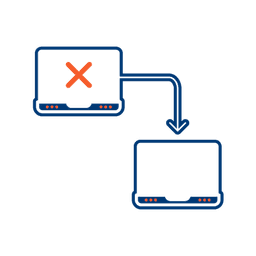
Integrated Failover to the Next Available Channel
Where another channel in our omnichannel platform is unsuccessful in delivering a message, we can automatically fail over to SMS. Priority and fail over channels are configurable.

Detailed Reporting
Bidvest Data provides near-real-time and periodic aggregate batched reporting on consumer engagement, including link tracking, SMS and SV SMS delivery status, and customized reports on microsite access.
Ready to Transform Your Sms And Svsms?
Get started today and see immediate results
Frequently Asked Questions
Get answers to common questions about Sms And Svsms