
Steps to Set Up an Email Service with Failover for Enterprises
Learn how to set up a reliable email service with failover capabilities for your enterprise. Follow our comprehensive guide to ensure optimal email continuity and security.
Establishing a reliable email service is critical for enterprises managing extensive communication needs, especially in sectors like finance, healthcare, and logistics where downtime can lead to significant operational disruptions. This comprehensive guide details the essential steps to set up an email service with failover capabilities, ensuring continuity and reliability in your organizational communications.
Understanding Failover in Email Services
Failover refers to the automatic switching to a standby system upon the failure of the previously active system. In the context of email services, implementing a failover mechanism helps ensure that email communications remain uninterrupted even during outages or service disruptions. This is particularly vital for businesses that rely heavily on timely and secure communications.
Why Is Email Failover Important for Enterprises?
For enterprises, a reliable email service with failover provides:
- Continuity of Communication: Ensures no loss of vital communication even during unexpected outages.
- Enhanced Security: Guard against potential data loss due to server failures.
- Compliance: Maintains adherence to regulatory requirements, particularly in industries like healthcare and finance.
- Operational Efficiency: Minimizes downtime, thereby allowing teams to operate without interruption.
Step-by-Step Guide to Setting Up Email Service with Failover
Step 1: Assess Your Email Service Requirements
Begin by assessing your organization's specific email communication needs. Consider factors such as:
- Number of users requiring email access
- Volume of emails sent and received daily
- Integration with existing enterprise systems
- Compliance considerations specific to your industry
Step 2: Choose the Right Email Service Provider
Select a reputable email service provider (ESP) that offers robust failover solutions, strong security measures, and excellent customer support. Critical considerations include:
- Uptime guarantees and SLA agreements
- Backup and failover options provided
- Support for API integration
- Scalability of their services as your organization grows
Step 3: Set Up Primary Email Server Configuration
Configure your primary email server with all necessary settings:
- Domain Configuration: Ensure your domain DNS settings direct email traffic to your primary mail server correctly.
- User Accounts Setup: Create user accounts and assign appropriate permissions.
- Security Protocols: Implement security measures such as SPF, DKIM, and DMARC to enhance email authentication and security.
Step 4: Establish Failover Mechanism
Set up the failover mechanism for your email service:
- Secondary Email Server: Configure a secondary email server that will take over during outages or failures.
- DNS Failover Settings: Use DNS settings to enable your domain to automatically switch to the secondary server in case of a primary server failure.
- Testing the Failover: Conduct tests to confirm that failover is successful and seamless. This could involve simulated outages.
Step 5: Monitor and Maintain
Once your email service with failover is operational, ongoing monitoring and maintenance are essential:
- Regularly monitor both primary and secondary servers for performance and potential issues.
- Update configurations as needed, including user accounts and permissions.
- Conduct routine testing of the failover system to ensure it remains functional.
Conclusion
Establishing an email service with failover is a strategic necessity for enterprises aiming to safeguard their communication channels against unexpected disruptions. By following this comprehensive step-by-step guide, organizations can set up a resilient email platform that enhances their operational efficiency and compliance while maintaining uninterrupted communications.
Key Features Include
Discover our comprehensive solution features designed to transform your business communication experience
Managing your sending domains
We implement your designs, images and artwork for optimal delivery. We measure and manage spam ratings, and we monitor and manage blacklisting and reputation of sending domains.

Zero Rated Data
PDF documents, HTML content, videos and animations can be hosted on our Zero Rated Data domains. Reverse billing of data on these domains ensure access for end users to content at no cost. Bidvest Data offers this service on all South African and Namibian mobile networks.

Customizable
Bidvest Data offers custom-built, screen adaptive, HTML environments, enabling features like animation, rotating GIFs, and interactive buttons in the email body and built into the unique microsite.

Large File Batch and Near Real Time Singular Sending
Our service includes automated large file batch sending through sFTP data transfer. The data can selectively drive template messaging. Near real-time email sending is facilitated through our API, using templates or dynamic text.
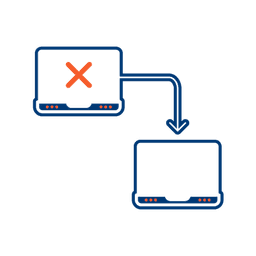
Integrated Failover to the next available channel
Where another channel in our omnichannel platform is unsuccessful in delivering a message, we can automatically fail over to email. Priority and fail over channels are configurable.

Detailed Reporting
Bidvest Data provides near-real-time and periodic aggregate batched reporting on consumer engagement, including link tracking, email delivery status, and customized reports on microsite access.
Ready to Transform Your EMAIL?
Get started today and see immediate results
Frequently Asked Questions
Get answers to common questions about EMAIL