
Understanding Spam Rating Reduction: The Impact on Email Deliverability for Enterprises
Explore the crucial relationship between spam rating reduction and email deliverability. Discover strategies to ensure your enterprise communications successfully reach intended recipients.
In the digital age, email remains a vital communication tool for enterprises across all sectors, including financial services, healthcare, and government. However, the effectiveness of email communications is often compromised by high spam ratings, which result in poor deliverability. This comprehensive guide explores the implications of spam rating reduction on email deliverability, providing essential insights and actionable strategies for IT decision-makers and compliance officers in South Africa.
The Importance of Email Deliverability
Email deliverability refers to the ability of an email to land in the inbox of the intended recipient rather than the spam folder. High deliverability rates are crucial for ensuring that important communications—such as transactional messages, notifications, and marketing campaigns—reach their recipients without hindrance. Low deliverability can adversely affect customer engagement, revenue, and brand reputation.
How Spam Ratings Work
Spam ratings are determined by various factors analyzed by email service providers (ESPs) when assessing incoming messages. These ratings can impact whether an email is categorized as spam or delivered directly to the inbox. Key factors influencing spam ratings include:
The Relationship Between Spam Rating and Deliverability
A high spam rating directly correlates with decreased email deliverability. When emails are flagged as spam, they typically end up in the junk folders or are blocked entirely by ESPs. This results in:
- Reduced Recipient Reach: Communications fail to reach intended audiences, diminishing overall organizational effectiveness.
- Loss of Trust: Consistent delivery issues can lead to customer distrust and reduced engagement.
- Financial Consequences: Missed opportunities due to undelivered marketing campaigns can directly impact revenue.
- Compliance Risks: Poor deliverability may affect adherence to regulations such as POPIA, potentially exposing the organization to legal ramifications.
Strategies for Reducing Spam Ratings
To enhance email deliverability, organizations must implement strategies aimed at reducing spam ratings:
1. Optimize Email Content
Utilize clear, concise messaging that focuses on the needs of the recipient while avoiding spam-triggering keywords.
2. Improve Sender Reputation
Regularly monitor engagement metrics and address complaints proactively to maintain a positive sender reputation.
3. Implement Authentication Protocols
Ensure proper configuration of SPF, DKIM, and DMARC to verify messages and enhance security.
Monitoring and Measurement
Enterprises should establish metrics to monitor email deliverability and spam ratings continually. Key performance indicators include:
- Open Rates: Measure how many recipients opened your emails as a benchmark for engagement.
- Click-Through Rates: Analyze the percentage of recipients who clicked links in emails, indicating actionable engagement.
- Spam Complaint Rates: Regularly assess complaint rates to identify potential issues with email practices.
Conclusion: The Path Forward for Enterprises
Reducing spam ratings and improving email deliverability is a strategic necessity for enterprises aiming to maintain effective communication channels. By focusing on content optimization, enhancing sender reputation, and employing robust technical measures, organizations can ensure that their essential communications reach their audiences. Continuous monitoring, adaptation, and compliance with industry regulations, such as POPIA, will bolster email practices, driving better results and enhancing overall profitability.
Key Features Include
Discover our comprehensive solution features designed to transform your business communication experience
Managing your sending domains
We implement your designs, images and artwork for optimal delivery. We measure and manage spam ratings, and we monitor and manage blacklisting and reputation of sending domains.

Zero Rated Data
PDF documents, HTML content, videos and animations can be hosted on our Zero Rated Data domains. Reverse billing of data on these domains ensure access for end users to content at no cost. Bidvest Data offers this service on all South African and Namibian mobile networks.

Customizable
Bidvest Data offers custom-built, screen adaptive, HTML environments, enabling features like animation, rotating GIFs, and interactive buttons in the email body and built into the unique microsite.
Large File Batch and Near Real Time Singular Sending
Our service includes automated large file batch sending through sFTP data transfer. The data can selectively drive template messaging. Near real-time email sending is facilitated through our API, using templates or dynamic text.
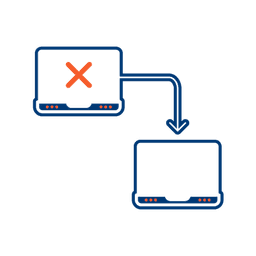
Integrated Failover to the next available channel
Where another channel in our omnichannel platform is unsuccessful in delivering a message, we can automatically fail over to email. Priority and fail over channels are configurable.

Detailed Reporting
Bidvest Data provides near-real-time and periodic aggregate batched reporting on consumer engagement, including link tracking, email delivery status, and customized reports on microsite access.
Ready to Transform Your EMAIL?
Get started today and see immediate results
Frequently Asked Questions
Get answers to common questions about EMAIL