
Essential Secure Email Sending Features for South African Enterprises
Discover the essential features of secure email sending every South African enterprise must implement. Learn about encryption, authentication, and compliance for effective communication.
In today's digital landscape, secure email communication is paramount for enterprises in South Africa. With increasing regulatory pressures and the growing complexity of cyber threats, it is imperative for organizations to adopt secure email solutions. This comprehensive guide outlines the essential features of secure email sending, providing insights into how these features protect sensitive information while enhancing operational efficiency and compliance.
Understanding the Importance of Secure Email Sending
Secure email sending enables businesses to communicate effectively without the risk of data breaches or unauthorized access to confidential information. In sectors like finance, healthcare, and government, safeguarding sensitive data is not merely a best practice but a legal requirement. Implementing robust secure email features ensures compliance with regulations like POPIA, enhances brand reputation, and builds trust with clients and stakeholders.
Key Risks of Insecure Email Communication
- Data Breaches: A significant threat to sensitive client information and organizational data.
- Phishing Attacks: Increased vulnerability to targeted phishing attacks, leading to compromised accounts.
- Compliance Violations: Failing to meet legal requirements can result in hefty fines and legal repercussions.
- Loss of Trust: Damage to customer relationships due to perceived negligence in protecting sensitive information.
Essential Features of Secure Email Sending
When selecting a secure email solution, enterprises should consider the following key features:
1. End-to-End Encryption
End-to-end encryption ensures that emails and their contents are encrypted during transmission and can only be decrypted by the intended recipient, safeguarding sensitive information from interception.
2. Two-Factor Authentication (2FA)
Implementing 2FA adds an additional layer of security by requiring a second verification step, such as a one-time password sent to a mobile device, for accessing the email account.
3. Secure Access Controls
Robust access controls enforce permissions at various levels, ensuring that only authorized personnel can access or send sensitive information.
4. Automatic Email Retraction
This feature allows users to retract sent emails, preventing unauthorized access to sensitive information even if the email is sent accidentally.
5. Comprehensive Analytics and Reporting
Advanced analytics track email open rates, delivery confirmations, and interaction logs, providing insights into communication effectiveness and security compliance. Comprehensive Reporting Features for Email Transactions enhance enterprise communication efficacy.
6. Compliance Features
Ensures adherence to industry regulations, like POPIA in South Africa, by providing features like data retention policies and audit logs.
Implementation Best Practices for Enterprises
To maximize the effectiveness of secure email sending features, enterprises should adhere to the following best practices:
Critical Implementation Steps
- Conduct a Security Assessment: Analyze current email communication practices and identify vulnerabilities that need addressing.
- Engage Staff Training: Regular training programs ensure employees understand security protocols and the importance of secure email practices.
- Choose a Trusted Provider: Selecting an email solution provider with a robust security framework and proven track record is critical for effective implementation. Enterprise-Grade Email Communication Solutions are essential for South African corporations.
- Regular Monitoring and Review: Continually monitor email communication for suspicious activities and review security policies to adapt to evolving threats.
Conclusion: Ensuring Secure Email Communication in South Africa
Adopting secure email sending features is essential for South African enterprises to protect sensitive information, ensure compliance, and maintain trust. By implementing best practices and choosing the right secure email solution, organizations can navigate the complexities of digital communication securely and effectively.
Key Features Include
Discover our comprehensive solution features designed to transform your business communication experience
Managing your sending domains
We implement your designs, images and artwork for optimal delivery. We measure and manage spam ratings, and we monitor and manage blacklisting and reputation of sending domains.

Zero Rated Data
PDF documents, HTML content, videos and animations can be hosted on our Zero Rated Data domains. Reverse billing of data on these domains ensure access for end users to content at no cost. Bidvest Data offers this service on all South African and Namibian mobile networks.

Customizable
Bidvest Data offers custom-built, screen adaptive, HTML environments, enabling features like animation, rotating GIFs, and interactive buttons in the email body and built into the unique microsite.
Large File Batch and Near Real Time Singular Sending
Our service includes automated large file batch sending through sFTP data transfer. The data can selectively drive template messaging. Near real-time email sending is facilitated through our API, using templates or dynamic text.
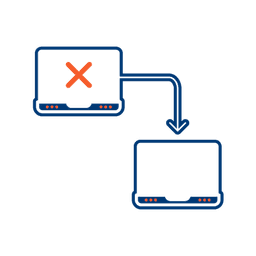
Integrated Failover to the next available channel
Where another channel in our omnichannel platform is unsuccessful in delivering a message, we can automatically fail over to email. Priority and fail over channels are configurable.

Detailed Reporting
Bidvest Data provides near-real-time and periodic aggregate batched reporting on consumer engagement, including link tracking, email delivery status, and customized reports on microsite access.
Ready to Transform Your EMAIL?
Get started today and see immediate results
Frequently Asked Questions
Get answers to common questions about EMAIL