
SMS vs SVSMS: Finding the Right Solution for Large Batch Files in Enterprise Communications
Explore the differences between SMS and SVSMS for delivering large batch files. Understand the advantages, disadvantages, and use cases to make informed decisions for your enterprise communication needs.
In the world of enterprise communications, effectively managing large batch files for messaging is critical for maintaining operational efficiency and ensuring client satisfaction. This guide delves into the fundamental differences between SMS and SVSMS (Smart Voice SMS), two prevalent technologies utilized for delivering large volumes of messages, particularly in sectors such as financial services, healthcare, and logistics. Understanding these differences will empower IT decision-makers and communication managers to make informed choices that align with their organizational requirements.
Understanding SMS and SVSMS
SMS, or Short Message Service, has been a cornerstone of mobile communications for decades. It allows users to send text messages up to 160 characters in length. In contrast, SVSMS, or Smart Voice SMS, combines the advantages of SMS with audio technology, enabling organizations to deliver voice messages in addition to traditional text. Each approach has its own strengths and constraints, especially when used for distributing large batch files.
Key Differences Between SMS and SVSMS
- Message Format: SMS is text-based, ideal for concise information, while SVSMS can convey more complex messages through audio, beneficial for delivering instructions or sensitive information that requires emphasis.
- Delivery Mechanism: SMS is transmitted over cellular networks, whereas SVSMS can leverage internet protocols and is often sent through push notifications or VoIP systems, allowing for a more flexible delivery framework.
- User Engagement: SVSMS tends to have higher engagement rates as recipients listen to voice messages, catering to audiences who may prefer auditory information or have literacy challenges.
- Scalability: SMS handling can be more efficient for large batch messages when the output is primarily text, while SVSMS may require additional infrastructure for audio content processing.
Evaluating Use Cases
Choosing between SMS and SVSMS largely depends on the nature of your messaging requirements. The following are some industry-specific use cases that illustrate when one technology may be more advantageous than the other:
Financial Services
Financial institutions often depend on SMS for broadcasts related to transaction alerts, OTPs, and promotional messages. However, SVSMS is employed for delivering important voice alerts about service outages and critical fraud announcements, allowing for immediate recipient understanding.
Healthcare
In healthcare, SMS may be used for appointment reminders or prescription notifications. In contrast, SVSMS can explain complex medical instructions or pre-operative protocols verbally, enhancing the patient experience.
Pros and Cons of SMS and SVSMS
SMS Advantages
- Widespread compatibility across all mobile devices.
- Fast delivery and high success rates in message transmission.
- Cost-effective for large volumes of text messages.
SMS Disadvantages
- Limited character count may restrict message detail.
- Engagement rates may be lower due to the non-interactive nature of text.
SVSMS Advantages
- Higher levels of user engagement through audio messaging.
- Ability to convey emotional tones or nuances that text cannot.
- Helpful for conveying critical information that requires clarity.
SVSMS Disadvantages
- Potentially higher costs due to the need for audio processing.
- Recipients may not have the capability to listen when receiving the message.
- Requires infrastructure to manage and distribute voice messages effectively.
Choosing the Right Solution for Your Enterprise
When deciding between SMS and SVSMS for sending large batch files, consider the following factors:
- Target Audience: Understand the demographic and preferences of your recipient base to determine which messaging format would garner more attention and engagement.
- Content Complexity: Analyze whether the information being conveyed can be distilled into a concise text message or if it demands more in-depth explanation, warranting a voice message.
- Budget Considerations: Evaluate your communications budget and assess which option provides better value for your organization based on volume and engagement requirements.
Conclusion: Making the Decision
Ultimately, the choice between SMS and SVSMS for large batch files requires a thorough evaluation of your specific use cases, organizational needs, and recipient preferences. Both technologies have their distinct advantages in enterprise communications, and understanding these can lead to more informed decisions that enhance operational effectiveness and client satisfaction.
Key Features Include
Discover our comprehensive solution features designed to transform your business communication experience
Personalized Microsites
Bidvest Data sends on average more than 10 million personalized SMS/SV SMS messages per month, with daily peaks exceeding 2 million messages. This comprises mainly of transactional notifications and hosted transactional data.
Secure and Trackable
The SMS channel delivers a secure, shortened personalized URL to the consumer, directing them to their unique microsite. All consumer activity can be tracked.

Zero Rated Data
PDF documents, HTML content, videos and animations can be hosted on our Zero Rated Data domains. Reverse billing of data on these domains ensure access for end users to content at no cost. Bidvest Data offers this service on all South African and Namibian mobile networks.
Customizable
Bidvest Data offers custom-built, screen adaptive, HTML environments, enabling features like animation, rotating GIFs, and interactive buttons.
Large File Batch and Near Real Time Singular Sending
Our service includes automated large file batch sending through sFTP data transfer. The data can selectively drive template messaging. Near real-time SMS sending is facilitated through our API, using templates or dynamic text.
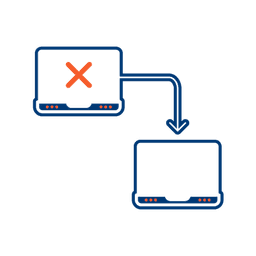
Integrated Failover to the Next Available Channel
Where another channel in our omnichannel platform is unsuccessful in delivering a message, we can automatically fail over to SMS. Priority and fail over channels are configurable.
Detailed Reporting
Bidvest Data provides near-real-time and periodic aggregate batched reporting on consumer engagement, including link tracking, SMS and SV SMS delivery status, and customized reports on microsite access.
Ready to Transform Your Sms And Svsms?
Get started today and see immediate results
Frequently Asked Questions
Get answers to common questions about Sms And Svsms