
SMS vs Email for Large Files: A Comprehensive Guide for Enterprises
Explore the differences between SMS and email for transferring large files. Learn when to use each method for optimal efficiency and security in enterprise communication.
In the digital era, enterprises frequently face the challenge of choosing the most efficient channels for sharing large files securely and effectively. Two dominant options, SMS and email, serve distinct purposes and come with varying capabilities. This guide aims to provide IT decision-makers and operational heads in medium to large businesses in South Africa with a detailed comparison of SMS and email for file sharing, helping them make informed decisions according to their organizational needs.
Understanding the Differences Between SMS and Email
Both SMS and email are widely used for communication in a corporate setting, but they have their distinct strengths and limitations. Understanding these differences is essential for enterprises looking to optimize their communication strategies.
Core Characteristics
- SMS: Limited to 160 characters for traditional messages, SMS is primarily designed for quick communication. However, with the advent of multimedia messaging (MMS) and advanced messaging solutions, businesses can now send larger files such as images and videos.
- Email: Capable of sending extensive content including text, images, documents, and files, email is the preferred choice for heavier documentation and larger files typically ranging from a few kilobytes to several megabytes.
Advantages of SMS for Large Files
While SMS is better suited for brief messaging and alerts, recent advancements have made it a viable option for certain types of large file transfers when combined with other technologies. Compliance requirements should also be considered.
Key Benefits of Using SMS
- Immediate Reach: SMS boasts a near 98% open rate, ensuring that critical messages are received almost instantly.
- Real-Time Notifications: Automated SMS alerts can inform users when large files are ready, enhancing engagement.
- Security: When used with encryption, SMS can provide secure access codes or links to download specific files stored on cloud services.
- Convenience: Available on any mobile device, facilitating communication even offline or in areas with limited internet access.
Benefits of Email for Sending Large Files
Email remains the dominant channel for transmitting large files due to its designed capabilities and broader acceptance in corporate environments. Secure methods are crucial for effective file sharing.
Key Advantages of Email
- No Size Limitations: Most email service providers allow attachments ranging from 25MB to 50MB, providing flexibility for larger documents.
- Comprehensive Tracking: Email systems often include read receipts and tracking features that help monitor when files are opened and accessed.
- Integration with Other Tools: Email platforms can integrate with cloud storage services like Google Drive or Dropbox, enabling links to large files without direct attachment restrictions.
- Organizational Policies: Enterprises can implement email archiving and file retention policies to enhance compliance and documentation.
Use Cases: When to Use SMS vs Email for Large Files
Choosing between SMS and email is highly contextual, depending on file types, urgency, user accessibility, and compliance requirements.
Optimal Scenarios for SMS
Use SMS when password-protecting sensitive documents, sharing time-sensitive notifications about large files, or ensuring quick access to file download links on mobile devices where real-time access is crucial.
Optimal Scenarios for Email
Email is best for sending presentations, reports, and documentation that exceed typical SMS or MMS capabilities, particularly for internal communications requiring detailed information and a record of the transaction.
Implementing an Effective File Transfer Strategy
A robust file transfer strategy should consider security, compliance with POPIA, and usability for all employees. Here are steps to ensure a seamless execution:
Step-by-Step Implementation
- Identify Use Cases: Determine which communication method suits specific scenarios within your organization.
- Choose Secure Solutions: Opt for SMS gateways and email platforms that offer security measures like encryption.
- Train Employees: Provide necessary training on the proper use of these channels, focusing on compliance and best practices.
- Monitor Performance: Utilize analytics to evaluate which methods yield the best results and adjust strategies proactively.
Conclusion: SMS and Email for Large Files in Enterprise Communication
In enterprise environments, selecting the right tool for sharing large files is essential for maximizing efficiency, ensuring security, and enhancing compliance. Understanding the unique strengths of both SMS and email will empower IT decision-makers to make informed choices that suit their organizational context and operational requirements. Collaborating with a reliable provider like Bidvest Data can facilitate seamless integration and drive effective communication solutions tailored for large enterprises.
Key Features Include
Discover our comprehensive solution features designed to transform your business communication experience
Personalized Microsites
Bidvest Data sends on average more than 10 million personalized SMS/SV SMS messages per month, with daily peaks exceeding 2 million messages. This comprises mainly of transactional notifications and hosted transactional data.
Secure and Trackable
The SMS channel delivers a secure, shortened personalized URL to the consumer, directing them to their unique microsite. All consumer activity can be tracked.

Zero Rated Data
PDF documents, HTML content, videos and animations can be hosted on our Zero Rated Data domains. Reverse billing of data on these domains ensure access for end users to content at no cost. Bidvest Data offers this service on all South African and Namibian mobile networks.
Customizable
Bidvest Data offers custom-built, screen adaptive, HTML environments, enabling features like animation, rotating GIFs, and interactive buttons.
Large File Batch and Near Real Time Singular Sending
Our service includes automated large file batch sending through sFTP data transfer. The data can selectively drive template messaging. Near real-time SMS sending is facilitated through our API, using templates or dynamic text.
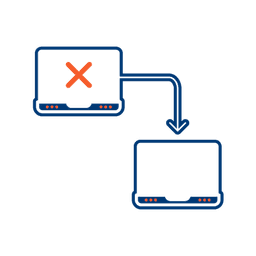
Integrated Failover to the Next Available Channel
Where another channel in our omnichannel platform is unsuccessful in delivering a message, we can automatically fail over to SMS. Priority and fail over channels are configurable.
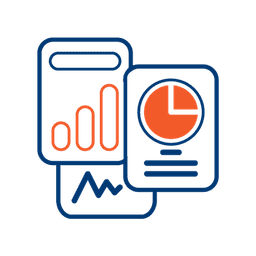
Detailed Reporting
Bidvest Data provides near-real-time and periodic aggregate batched reporting on consumer engagement, including link tracking, SMS and SV SMS delivery status, and customized reports on microsite access.
Ready to Transform Your Sms And Svsms?
Get started today and see immediate results
Frequently Asked Questions
Get answers to common questions about Sms And Svsms