
Secure Transactional Email Communication: A Comprehensive Guide for South African Enterprises
Explore the importance, components, and best practices for secure transactional email communication tailored for South African enterprises. Ensure compliance and protect sensitive data.
In today's digital landscape, secure transactional email communication is fundamental for businesses managing sensitive information and vital customer transactions. This guide delves into the enhanced security measures, compliance standards, and best practices necessary for implementing secure email communication strategies within South African enterprises.
Understanding the Importance of Secure Transactional Emails
Transactional emails serve as a critical touchpoint between businesses and their clients, encompassing various communications such as order confirmations, shipping notifications, account alerts, and payment receipts. Due to the sensitive nature of the information contained within these emails, ensuring their security is paramount, particularly in regulated sectors like financial services and healthcare.
Key Risks of Unsecured Transactional Emails
- Data Breaches: Sensitive customer information, if intercepted or accessed without authorization, can lead to identity theft and significant reputational damage.
- Regulatory Non-Compliance: Failing to secure transactional emails can render organizations non-compliant with regulations such as POPIA, resulting in heavy fines and legal challenges.
- Customer Trust Erosion: Instances of phishing attacks and data leaks can lead to decreased trust and loyalty from customers who expect secure communication.
Components of Secure Transactional Email Communication
Establishing a secure transactional email environment involves several critical components to ensure the integrity, confidentiality, and authenticity of emailed communications.
1. End-to-End Encryption
Utilizing encryption protocols such as TLS ensures that emails are secure during transit, making it nearly impossible for unauthorized parties to intercept and read the content.
2. Sender Authentication Protocols
Implementing protocols like SPF, DKIM, and DMARC protects against email spoofing and ensures that the emails are genuinely from the specified domain, enhancing security against phishing attacks.
3. Compliance with Data Protection Regulations
Business operations in South Africa must adhere to the Protection of Personal Information Act (POPIA). Secure transactional email communication aligns with POPIA's data minimization and encryption requirements, safeguarding personal information.
Best Practices for Implementing Secure Transactional Email Solutions
To successfully implement secure transactional email communication protocols, organizations should adopt the following best practices:
1. Regular Security Audits
- Conduct routine assessments of email security protocols and configurations.
- Utilize external cybersecurity experts for penetration testing and vulnerability assessments.
2. Staff Training on Email Security
- Educate employees on recognizing phishing scams and the importance of secure communications.
- Provide resources and training sessions to stay updated on security best practices.
Measuring the Effectiveness of Secure Transactional Emails
Measuring the success of your secure transactional email efforts involves tracking specific metrics that can provide insight into performance and security:
Key Metrics to Monitor
- Delivery Rates: Tracking the percentage of emails successfully delivered versus sent.
- Engagement Rates: Measuring user interactions with transactional emails for insights into effectiveness.
- Security Incident Reports: Logging occurrences of attempted breaches or phishing attempts related to transactional emails.
Conclusion: The Future of Secure Transactional Email Communication
As cyber threats continue to evolve, South African enterprises must prioritize secure transactional email communication as an integral part of their operations. By adopting robust security measures, adhering to regulatory requirements, and remaining vigilant against potential threats, organizations can foster trust, protect sensitive data, and enhance overall customer satisfaction through secure communication.
Key Features Include
Discover our comprehensive solution features designed to transform your business communication experience
Managing your sending domains
We implement your designs, images and artwork for optimal delivery. We measure and manage spam ratings, and we monitor and manage blacklisting and reputation of sending domains.

Zero Rated Data
PDF documents, HTML content, videos and animations can be hosted on our Zero Rated Data domains. Reverse billing of data on these domains ensure access for end users to content at no cost. Bidvest Data offers this service on all South African and Namibian mobile networks.

Customizable
Bidvest Data offers custom-built, screen adaptive, HTML environments, enabling features like animation, rotating GIFs, and interactive buttons in the email body and built into the unique microsite.
Large File Batch and Near Real Time Singular Sending
Our service includes automated large file batch sending through sFTP data transfer. The data can selectively drive template messaging. Near real-time email sending is facilitated through our API, using templates or dynamic text.
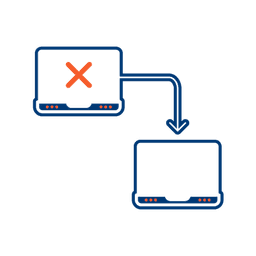
Integrated Failover to the next available channel
Where another channel in our omnichannel platform is unsuccessful in delivering a message, we can automatically fail over to email. Priority and fail over channels are configurable.

Detailed Reporting
Bidvest Data provides near-real-time and periodic aggregate batched reporting on consumer engagement, including link tracking, email delivery status, and customized reports on microsite access.
Ready to Transform Your EMAIL?
Get started today and see immediate results
Frequently Asked Questions
Get answers to common questions about EMAIL