
Secure File Sharing vs. Email for Document Transfer: The Comprehensive Enterprise Guide
Explore the key differences between secure file sharing and email for document transfer. Understand security, compliance, and best practices for enterprises in South Africa to make informed decisions.
In an increasingly digital landscape, enterprises are faced with the crucial decision of choosing the right method for document transfer. While email has been a longstanding tool for communication, the rise of secure file sharing solutions is reshaping how businesses handle sensitive information. This guide explores the critical differences between secure file sharing and email for document transfer, focusing on security, compliance, efficiency, and best practices for organizations operating in South Africa.
Understanding the Landscape of Document Transfer
Document transfer encompasses the processes and tools used to send, receive, and access files in a secure manner. Given the increasing risks of data breaches and regulatory requirements such as the Protection of Personal Information Act (POPIA), enterprises must prioritize secure methods when transmitting sensitive documents. Here, we dissect the two primary methods: secure file sharing and traditional email.
Key Overview of Secure File Sharing
- Encryption Standards: Secure file sharing platforms utilize end-to-end encryption for documents during transit and at rest, ensuring that only authorized users can access the content.
- Access Controls: Features such as role-based permissions and time-sensitive access help organizations monitor who can view or edit documents, reducing the risk of unauthorized access.
- Audit Trails: Comprehensive logging capabilities provide insights into document interactions, enabling companies to maintain compliance and track user activity.
The Limitations of Email for Document Transfer
Despite its ubiquity, email falls short in several key areas when it comes to secure document transfer:
Common Shortcomings of Email
- Lack of Encryption: Many email exchanges occur without encryption, leaving sensitive data vulnerable to interception.
- Attachment Size Limitations: Email services often impose strict limits on attachment sizes, complicating the sharing of large files.
- Risk of Phishing Attacks: Email remains a common vector for phishing attacks, compromising user credentials and exposing sensitive attachments to interception.
Comparing Security Features: Secure File Sharing vs. Email
When evaluating the security measures of both methods, secure file sharing clearly demonstrates advantages:
Security Comparison
- Email: Vulnerable to interception, lacks consistent encryption for attachments, and does not offer granular access controls.
- Secure File Sharing: Utilizes advanced encryption techniques, provides fine-tuned access permissions, and logs user interactions for compliance tracking.
Compliance Considerations for Enterprises
For organizations handling sensitive customer data or personal information, compliance with regulations such as POPIA is a paramount concern. Secure file sharing platforms are typically designed with compliance in mind, ensuring legal standards are met through:
- Data Residency Options: Allow organizations to host data in specific jurisdictions to meet legal requirements.
- Retention Policies: Enable businesses to establish appropriate data retention schedules, addressing legal compliance needs.
Best Practices for Secure Document Transfer
To maximize the security of document transfers, enterprises should adopt the following best practices:
Step-By-Step Guide for Secure Document Transfer
- Assess Risk Factors: Identify sensitive documents and data types that require secure transfer methods.
- Choose the Right Solution: Evaluate secure file sharing platforms for encryptions, access control, and compliance features that suit your organization.
- Train Employees: Conduct regular training sessions on security protocols to reduce human error and promote best practices.
- Regularly Audit Practices: Conduct security audits and reviews to ensure compliance and identify areas for improvement.
Final Thoughts on Secure Document Transfer
While email remains a common communication tool, secure file sharing presents a superior option for organizations needing to transfer sensitive documents. By adopting secure file-sharing methods, enterprises can enhance their security posture, achieve regulatory compliance, and enable efficient collaboration without compromising data integrity.
Key Features Include
Discover our comprehensive solution features designed to transform your business communication experience
Managing your sending domains
We implement your designs, images and artwork for optimal delivery. We measure and manage spam ratings, and we monitor and manage blacklisting and reputation of sending domains.

Zero Rated Data
PDF documents, HTML content, videos and animations can be hosted on our Zero Rated Data domains. Reverse billing of data on these domains ensure access for end users to content at no cost. Bidvest Data offers this service on all South African and Namibian mobile networks.
Customizable
Bidvest Data offers custom-built, screen adaptive, HTML environments, enabling features like animation, rotating GIFs, and interactive buttons in the email body and built into the unique microsite.
Large File Batch and Near Real Time Singular Sending
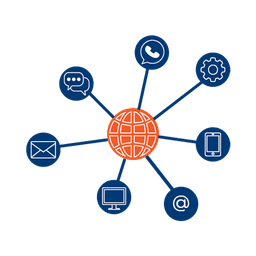
Our service includes automated large file batch sending through sFTP data transfer. The data can selectively drive template messaging. Near real-time email sending is facilitated through our API, using templates or dynamic text.
Integrated Failover to the next available channel
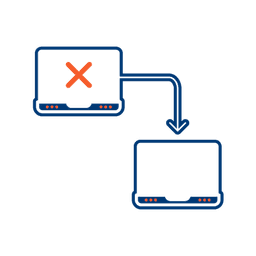
Where another channel in our omnichannel platform is unsuccessful in delivering a message, we can automatically fail over to email. Priority and fail over channels are configurable.

Detailed Reporting
Bidvest Data provides near-real-time and periodic aggregate batched reporting on consumer engagement, including link tracking, email delivery status, and customized reports on microsite access.
Ready to Transform Your EMAIL?
Get started today and see immediate results
Frequently Asked Questions
Get answers to common questions about EMAIL