
Business Process Automation for Logistics: A Comprehensive Guide for Enterprises
Discover how business process automation can transform logistics operations, reduce costs, and improve customer satisfaction. Explore comprehensive solutions for enterprise success.
In the highly competitive logistics sector, operational efficiency is paramount. Business process automation (BPA) offers logistics enterprises the tools necessary to streamline workflows, reduce errors, and enhance customer satisfaction. This guide explores the multitude of ways that BPA can be leveraged within logistics operations, from order processing to fleet management, and aligning these innovations with broader enterprise objectives.
Understanding Business Process Automation in Logistics
BPA refers to the use of technology to automate repetitive tasks and workflows within business processes. In logistics, this often means integrating sophisticated software solutions to replace manual efforts, resulting in higher speed and greater precision. Automation allows logistics companies to enhance their service offerings while maintaining comprehensive control over their operational processes.
Key Benefits of BPA in Logistics
- Increased Efficiency: Automating processes reduces the time taken for order processing, inventory management, and shipment tracking.
- Cost Reduction: Lower operational costs can be achieved by minimizing manual labor and reducing errors that result in costly rework.
- Enhanced Transparency: Real-time visibility into logistics operations helps track orders and monitor performance metrics effectively.
- Improved Customer Service: Faster order turnaround and accurate information increase customer satisfaction levels.
Core Processes Suitable for Automation
Identifying which processes to automate within the logistics workflow is critical. Here are some core areas for consideration:
Step-by-Step Guide to Implementing BPA
Implementing business process automation in logistics involves systematic planning. Follow these steps for smooth execution:
- Assess Current Processes: Evaluate existing workflows to identify extensive manual tasks ripe for automation.
- Set Clear Objectives: Define the goals of automation, such as reducing lead times or minimizing costs.
- Choose the Right Technology: Research software solutions that align with your logistics needs, such as cloud platforms or integrated management systems.
- Develop an Implementation Plan: Schedule the rollout of automation tools and train your team adequately.
- Monitor and Optimize: After implementation, continuously assess performance and make adjustments for ongoing improvements.
Industry Case Studies of Successful BPA Implementation
Many logistics companies have successfully integrated business process automation, showcasing the importance and effectiveness of this strategy:
Case Study: Large Freight Forwarder
By automating their shipment tracking process, the company reduced average response times from 36 hours to just 2 hours, significantly improving customer satisfaction ratings.
Case Study: Regional Distribution Center
Implementation of an automated inventory management system resulted in a 30% decrease in stock shortages and better inventory turnover ratios, leading to greater operational efficiency.
Future Trends in Logistics Automation
As logistics continues to evolve, several key trends will further shape BPA:
- Robotic Process Automation (RPA): RPA is predicted to automate increasingly complex tasks previously thought to require human intervention.
- Artificial Intelligence and Machine Learning: These technologies will enhance decision-making processes, predicting trends, and automating data analysis.
- Internet of Things (IoT): IoT devices will optimize logistics operations through real-time data collection and predictive analytics.
Conclusion
Business process automation stands as a vital tool for logistics enterprises pursuing operational excellence. By investing in and strategically implementing automation technologies, logistics companies can gain a significant competitive edge while preparing for the future landscape of the industry.
Key Features Include
Discover our comprehensive solution features designed to transform your business communication experience
Managing your sending domains
We implement your designs, images and artwork for optimal delivery. We measure and manage spam ratings, and we monitor and manage blacklisting and reputation of sending domains.

Zero Rated Data
PDF documents, HTML content, videos and animations can be hosted on our Zero Rated Data domains. Reverse billing of data on these domains ensure access for end users to content at no cost. Bidvest Data offers this service on all South African and Namibian mobile networks.

Customizable
Bidvest Data offers custom-built, screen adaptive, HTML environments, enabling features like animation, rotating GIFs, and interactive buttons in the email body and built into the unique microsite.

Large File Batch and Near Real Time Singular Sending
Our service includes automated large file batch sending through sFTP data transfer. The data can selectively drive template messaging. Near real-time email sending is facilitated through our API, using templates or dynamic text.
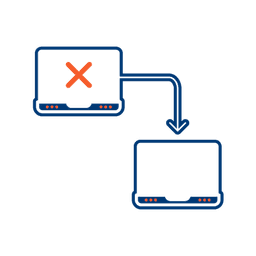
Integrated Failover to the next available channel
Where another channel in our omnichannel platform is unsuccessful in delivering a message, we can automatically fail over to email. Priority and fail over channels are configurable.

Detailed Reporting
Bidvest Data provides near-real-time and periodic aggregate batched reporting on consumer engagement, including link tracking, email delivery status, and customized reports on microsite access.
Ready to Transform Your EMAIL?
Get started today and see immediate results
Frequently Asked Questions
Get answers to common questions about EMAIL