
RCS vs Traditional SMS Messaging: A Comprehensive Guide for South African Enterprises
Discover the differences between RCS and traditional SMS messaging. Understand their respective features, benefits, and how they can impact your enterprise communication strategy.
As the South African business landscape continues to evolve with digital technology, it becomes imperative to differentiate between communication tools that can enhance customer engagement and operational efficiency. This guide delves into the differences between RCS (Rich Communication Services) and traditional SMS messaging, offering insights into their functionalities, advantages, and specific applications for enterprises. Understanding these differences is essential for IT decision-makers and operational heads looking to optimize communication strategies in their organizations.
Understanding the Communication Landscape
Messaging has always been a cornerstone of customer communication in enterprises, evolving from simple SMS to more advanced solutions like RCS. Traditional SMS messaging is a time-tested method for reaching customers, but as business communication needs become more complex, so too must the tools we utilize. RCS presents itself as a sophisticated alternative that enhances messaging capabilities, providing organizations with new ways to engage their customers.
What is RCS Messaging?
RCS is an advanced messaging protocol that extends the capabilities of traditional SMS by enabling richer media and interaction capabilities. Prioritizing user experience and engagement, RCS allows businesses to send not just text, but also images, videos, quick replies, and interactive buttons in a single message. This engagement is similar to what users experience on messaging apps, offering a modern approach to customer interaction.
Key Features of RCS Messaging
- Rich Media Support: Send images, videos, and other interactive content to enrich the user experience.
- Read Receipts: Businesses can track when messages are read, allowing for enhanced engagement metrics.
- Quick Replies and Call-to-Actions: Facilitate immediate responses through buttons and quick reply options.
- Branding Opportunities: Customize communication with brand colors and logos for a cohesive customer experience.
Traditional SMS Messaging: An Overview
Traditional SMS has served as a reliable and straightforward method of communication for many years. Offering a simple interface, it allows businesses to send messages of up to 160 characters without the need for an internet connection. While traditional SMS remains effective for urgent communications, such as alerts and transactional notifications, it lacks the enhanced engagement features that RCS provides.
Advantages of Traditional SMS
Key Benefits of Using SMS
- Broad Reach: SMS is universally supported by all mobile devices, ensuring messages reach a wide audience.
- No Internet Required: Ideal for users without internet access, making it accessible in various locales.
- High Open Rates: SMS messages boast higher open and response rates compared to emails and other forms of communication.
RCS vs Traditional SMS: A Head-to-Head Comparison
Understanding how RCS messaging stacks up against traditional SMS can help enterprises make informed decisions tailored to their communication strategies. The table below summarizes their primary differences:
| Feature | RCS Messaging | Traditional SMS |
|---|---|---|
| Multimedia Sending | Yes | Limited to text |
| Engagement Metrics | Read Receipts | None |
| Interactive Buttons | Yes | No |
| Custom Branding | Yes | No |
| Internet Access Required | Yes | No |
Evaluating Your Business Needs
When deciding between RCS and traditional SMS, enterprises must evaluate their specific communication needs, budget, and audience demographic. RCS may provide enhanced capabilities that align with engagement-driven strategies, whereas traditional SMS can deliver straightforward and immediate messages critical for certain applications.
Conclusion: The Future of Messaging for South African Enterprises
As digitization pressures mount, businesses must pivot toward communication platforms that not only relay information but also engage customers in meaningful ways. RCS messaging represents the next step in this evolution, offering rich features that can significantly enhance customer interactions. However, it's essential to weigh the benefits of enhanced engagement against the broad accessibility of traditional SMS before making a strategic decision.
Ready to Upgrade Your Communication Strategy?
Explore how Bidvest Data’s advanced messaging solutions can help your enterprise leverage both RCS and traditional SMS to optimize customer engagement and enhance operational efficiency.
Key Features Include
Discover our comprehensive solution features designed to transform your business communication experience

Personalized Microsites
Bidvest Data sends on average more than 10 million personalized SMS/SV SMS messages per month, with daily peaks exceeding 2 million messages. This comprises mainly of transactional notifications and hosted transactional data.

Secure and Trackable
The SMS channel delivers a secure, shortened personalized URL to the consumer, directing them to their unique microsite. All consumer activity can be tracked.

Zero Rated Data
PDF documents, HTML content, videos and animations can be hosted on our Zero Rated Data domains. Reverse billing of data on these domains ensure access for end users to content at no cost. Bidvest Data offers this service on all South African and Namibian mobile networks.

Customizable
Bidvest Data offers custom-built, screen adaptive, HTML environments, enabling features like animation, rotating GIFs, and interactive buttons.
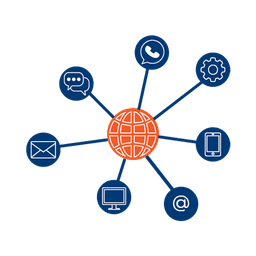
Large File Batch and Near Real Time Singular Sending
Our service includes automated large file batch sending through sFTP data transfer. The data can selectively drive template messaging. Near real-time SMS sending is facilitated through our API, using templates or dynamic text.
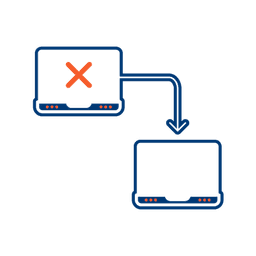
Integrated Failover to the Next Available Channel
Where another channel in our omnichannel platform is unsuccessful in delivering a message, we can automatically fail over to SMS. Priority and fail over channels are configurable.

Detailed Reporting
Bidvest Data provides near-real-time and periodic aggregate batched reporting on consumer engagement, including link tracking, SMS and SV SMS delivery status, and customized reports on microsite access.
Ready to Transform Your Sms And Svsms?
Get started today and see immediate results
Frequently Asked Questions
Get answers to common questions about Sms And Svsms