
The RCS Messaging Activation Process Explained: A Comprehensive Guide for Enterprises
Explore the comprehensive guide to activating RCS messaging for enterprises. Learn about the steps involved, regulatory compliance, and best practices for successful implementation.
Rich Communication Services (RCS) represents the evolution of traditional SMS messaging, offering enhanced capabilities that are redefining the way businesses communicate with their customers. Understanding the RCS messaging activation process is crucial for South African enterprises seeking to leverage this innovative technology. In this guide, we delve deep into the activation steps, best practices, and compliance considerations that IT decision-makers and operational heads must navigate.
Understanding RCS Messaging and Its Benefits
RCS messaging provides a rich communication experience that extends beyond simple text. This includes functionalities like rich media sharing, interactive buttons, and location sharing, which significantly enhance customer interaction. For enterprises, RCS offers several benefits:
- Branding Opportunities: Customize messages with branding elements for a cohesive customer experience.
- Higher Engagement Rates: Interactive elements lead to increased customer response and engagement.
- Analytics and Tracking: Gain insights through delivery, open rates, and interaction tracking to refine marketing strategies.
The RCS Messaging Activation Process
The activation process for RCS messaging can be broken down into several key steps:
1. Determine Business Objectives
Before initiating RCS activation, it’s essential to define clear objectives. Consider what you aim to achieve: customer engagement, marketing campaigns, or transactional messaging. Establishing goals will inform the rest of the process.
2. Choose an RCS Provider
Selecting a reliable RCS service provider is critical. Assess various providers based on their expertise, reliability, compliance with local regulations (such as POPIA for South Africa), and integration capabilities.
3. Complete the Registration Process
After selecting a provider, you will need to register your business. This typically involves:
- Verifying your business identity.
- Providing necessary documentation for compliance purposes.
- Setting up your message templates for review and approval.
4. Implement Technical Integration
Integrating RCS messaging into your existing systems is the next step. This involves:
- Utilizing APIs provided by the RCS provider for seamless communication.
- Configuring your messaging channels for optimal functionality.
- Testing the integration to ensure smooth operation.
5. Comply with Regulatory Standards
Ensure that all communications comply with South African regulations, including the Protection of Personal Information Act (POPIA). This involves establishing consent mechanisms and privacy policies aligned with local laws.
6. Training and Launch
Before going live, train your staff on how to use the RCS platform effectively. This training should cover:
- Crafting engaging and compliant messages.
- Utilizing analytics for performance tracking.
- Responding to customer interactions efficiently.
Measuring the Impact of RCS Messaging
Once activated, businesses should continuously monitor the performance of their RCS messaging campaigns. Key performance indicators (KPIs) to consider include:
- Open Rates: Percentage of recipients who open your messages.
- Response Rates: How many recipients actively engage with the messaging elements.
- Conversion Rates: Measuring how many interactions lead to desired actions, such as purchases or form submissions.
Conclusion
Activating RCS messaging offers South African enterprises an opportunity to enhance customer engagement through enriched communications. By following the outlined activation process, aligning with compliance requirements, and leveraging the power of interactivity, businesses can transform their messaging strategies to foster stronger customer relationships.
Key Features Include
Discover our comprehensive solution features designed to transform your business communication experience

Personalized Microsites
Bidvest Data sends on average more than 10 million personalized SMS/SV SMS messages per month, with daily peaks exceeding 2 million messages. This comprises mainly of transactional notifications and hosted transactional data.

Secure and Trackable
The SMS channel delivers a secure, shortened personalized URL to the consumer, directing them to their unique microsite. All consumer activity can be tracked.

Zero Rated Data
PDF documents, HTML content, videos and animations can be hosted on our Zero Rated Data domains. Reverse billing of data on these domains ensure access for end users to content at no cost. Bidvest Data offers this service on all South African and Namibian mobile networks.

Customizable
Bidvest Data offers custom-built, screen adaptive, HTML environments, enabling features like animation, rotating GIFs, and interactive buttons.

Large File Batch and Near Real Time Singular Sending
Our service includes automated large file batch sending through sFTP data transfer. The data can selectively drive template messaging. Near real-time SMS sending is facilitated through our API, using templates or dynamic text.
Integrated Failover to the Next Available Channel
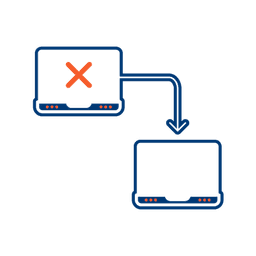
Where another channel in our omnichannel platform is unsuccessful in delivering a message, we can automatically fail over to SMS. Priority and fail over channels are configurable.

Detailed Reporting
Bidvest Data provides near-real-time and periodic aggregate batched reporting on consumer engagement, including link tracking, SMS and SV SMS delivery status, and customized reports on microsite access.
Ready to Transform Your Sms And Svsms?
Get started today and see immediate results
Frequently Asked Questions
Get answers to common questions about Sms And Svsms