
How to Switch from SMS to RCS Messaging: A Comprehensive Guide for South African Enterprises
Learn how to seamlessly transition from SMS to RCS messaging for enhanced customer engagement. Discover practical steps, best practices, and industry insights tailored for South African enterprises.
As South African enterprises seek to enhance their customer communication strategies, the transition from traditional SMS to Rich Communication Services (RCS) messaging emerges as a compelling option. RCS not only allows for richer media content and interactivity but also provides valuable analytics and delivery confirmations, transforming how businesses engage with their customers. In this guide, we will explore the essential steps for successfully transitioning from SMS to RCS messaging, along with practical insights and strategic considerations tailored to the unique challenges faced by South African organizations.
Understanding RCS Messaging
RCS is a protocol that enhances SMS messaging by integrating multimedia capabilities, interactivity, and advanced features such as read receipts and typing indicators. Unlike SMS, which is limited to plain text, RCS enables businesses to send images, carousels, quick reply buttons, location information, and more, thereby allowing for richer customer engagement.
Key Benefits of RCS for Enterprises
- Enhanced Customer Engagement: RCS messages can incorporate various media types to capture customer interest and drive action more effectively than SMS.
- Improved Analytics: Access to real-time data on message delivery, engagement rates, and customer interactions allows organizations to refine their strategies.
- Interactivity: RCS supports interactive features like quick reply buttons, which streamline customer responses and enhance the overall user experience.
- Brand Consistency: Businesses can customize RCS messages with branding elements, providing a cohesive identity across communication channels.
Evaluating Your Current SMS Infrastructure
Before transitioning to RCS, enterprises should assess their existing SMS infrastructure to identify compatibility and scalability considerations. Understanding the current messaging capabilities, user engagement trends, and customer preferences will provide valuable insights into the transition process.
Key Considerations for Evaluation
- Current messaging volume and frequencies
- Integration with customer relationship management (CRM) systems
- Customer preferences for communication channels
- Underlying technology and platforms supporting SMS
Planning the Transition to RCS Messaging
A well-structured transition plan is crucial for a seamless migration from SMS to RCS. This should encompass stakeholder engagement, technical specifications, timelines, and budgeting considerations.
Essential Steps for Transition Planning
- Identify Key Stakeholders: Involve critical teams including IT, marketing, and customer service to address their specific objectives and requirements.
- Select an RCS Provider: Evaluate potential RCS messaging providers based on features, pricing, and support services. Ensure the provider complies with South African regulations, including POPIA.
- Integrate with Existing Systems: Collaborate with your IT department to align RCS messaging with existing CRM and marketing automation systems.
- Conduct Training Sessions: Educate employees on how to utilize RCS features effectively to engage customers and respond to inquiries.
Implementation Considerations and Best Practices
Once the transition plan is in place, it’s essential to consider best practices for implementation to ensure a successful rollout. This includes message design, compliance, user feedback, and ongoing optimization.
Message Design Guidelines for RCS
- Utilize rich media elements, such as images and videos, to enhance engagement.
- Incorporate call-to-action buttons that direct users to relevant landing pages or applications.
- Design responsive messages that provide a seamless experience across devices.
- Test messages before full deployment to ensure functionality and appeal.
Monitoring and Optimizing RCS Messaging
After launching RCS messaging, organizations must continuously monitor performance metrics and optimize campaigns based on analytics insights. Ensure that data gathered from user interactions informs future messaging strategies.
Key Performance Metrics to Monitor
- Delivery and open rates
- User engagement with interactive components
- Conversion rates from call-to-actions
- Customer feedback and satisfaction rates
Conclusion: The Future of Enterprise Messaging in South Africa
The switch from SMS to RCS messaging represents a significant opportunity for South African enterprises to elevate their customer engagement strategies and drive competitive advantage. By following a methodical transition process, businesses can harness the power of richer communication formats and interactivity, fostering stronger relationships with their customers as they navigate the digital age.
Key Features Include
Discover our comprehensive solution features designed to transform your business communication experience

Personalized Microsites
Bidvest Data sends on average more than 10 million personalized SMS/SV SMS messages per month, with daily peaks exceeding 2 million messages. This comprises mainly of transactional notifications and hosted transactional data.

Secure and Trackable
The SMS channel delivers a secure, shortened personalized URL to the consumer, directing them to their unique microsite. All consumer activity can be tracked.

Zero Rated Data
PDF documents, HTML content, videos and animations can be hosted on our Zero Rated Data domains. Reverse billing of data on these domains ensure access for end users to content at no cost. Bidvest Data offers this service on all South African and Namibian mobile networks.

Customizable
Bidvest Data offers custom-built, screen adaptive, HTML environments, enabling features like animation, rotating GIFs, and interactive buttons.

Large File Batch and Near Real Time Singular Sending
Our service includes automated large file batch sending through sFTP data transfer. The data can selectively drive template messaging. Near real-time SMS sending is facilitated through our API, using templates or dynamic text.
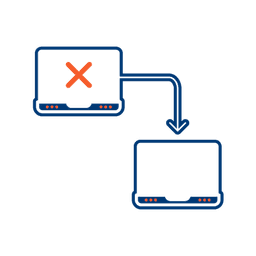
Integrated Failover to the Next Available Channel
Where another channel in our omnichannel platform is unsuccessful in delivering a message, we can automatically fail over to SMS. Priority and fail over channels are configurable.

Detailed Reporting
Bidvest Data provides near-real-time and periodic aggregate batched reporting on consumer engagement, including link tracking, SMS and SV SMS delivery status, and customized reports on microsite access.
Ready to Transform Your Sms And Svsms?
Get started today and see immediate results
Frequently Asked Questions
Get answers to common questions about Sms And Svsms