
The Importance of Automation in Email Domain Management for Enterprises
Discover how automation enhances email domain management for enterprises. Streamline processes, improve security, and ensure compliance while significantly reducing operational costs.
In the increasingly digital landscape, efficient management of email domains is critical for enterprises. With automation, organizations can streamline their processes, enhance security, and ensure compliance with industry regulations. This comprehensive guide delves into the significance of automating email domain management, highlighting its benefits and best practices for implementation in corporate environments.
Understanding Email Domain Management
Email domain management involves the administration of email services associated with an organization’s domain name, ensuring secure, reliable communication and data transfer. The need for effective email domain management has grown as enterprises expand globally, necessitating consistent branding, data privacy, and protection against cyber threats.
Key Components of Email Domain Management
- Domain Configuration: Setting up DNS records, SPF, DKIM, and DMARC for authentication and spam prevention.
- User Provisioning: Managing user accounts, creating email aliases, and ensuring proper access permissions.
- Monitoring and Reporting: Tracking email performance metrics, user engagement, and potential security incidents.
- Compliance and Security: Ensuring adherence to regulations like POPIA, GDPR, and implementing strong security protocols.
Why Automation Matters
With the rising complexity of email domain management tasks, automation provides a powerful solution to streamline operations. Here are several compelling reasons why automation is essential for enterprises:
Key Benefits of Automation
- Increased Efficiency: Automated processes reduce the time spent on manual tasks, allowing IT teams to focus on strategic initiatives.
- Enhanced Accuracy: Automation minimizes human error, ensuring that domain configurations and user settings are consistently applied and maintained.
- Improved Security: Automated alerts for unusual activities or security threats enable prompt responses to potential risks.
- Scalability: As businesses grow, automated systems can easily adjust to accommodate new users, domains, and compliance mandates.
Best Practices for Automating Email Domain Management
To effectively leverage automation in email domain management, enterprises should follow these best practices:
1. Centralize Management with Integrated Tools
Utilize integrated management platforms that allow centralized control over all email domains. This can enable streamlined user provisioning and more accessible configuration management, enhancing operational efficiencies.
2. Implement Role-Based Access Control
Establish role-based access control (RBAC) so that only authorized personnel can make changes to domain settings, reducing risks of unauthorized access.
3. Regularly Audit and Update Security Protocols
Regular audits of security settings and configurations ensure that the enterprise maintains compliance with evolving regulations and best practices.
Case Study: Successful Automation in Email Management
For instance, a leading logistics firm in South Africa successfully automated its email domain management system, resulting in a 70% reduction in administrative workload. By integrating automated tools, they streamlined user provisioning and enhanced security across their email infrastructure while ensuring adherence to POPIA regulations.
Tracking ROI and Performance Metrics
Leveraging automation generates measurable benefits that contribute to improved productivity and cost savings. Key performance indicators (KPIs) include:
Typical Measures of Success
- Reduction of email response time by 50%
- Decrease in configuration errors by 80%
- Lowered operational costs through automation savings of ZAR 600,000 annually
Conclusion: Embracing Automation for Enhanced Email Management
For South African enterprises navigating the digital age, embracing automation in email domain management is not just beneficial; it is essential. By optimizing processes, enhancing security, and ensuring compliance, organizations can foster a resilient communication environment that meets the demands of today's fast-paced business landscape. Invest in automation now to future-proof your email management strategies.
Key Features Include
Discover our comprehensive solution features designed to transform your business communication experience
Managing your sending domains
We implement your designs, images and artwork for optimal delivery. We measure and manage spam ratings, and we monitor and manage blacklisting and reputation of sending domains.

Zero Rated Data
PDF documents, HTML content, videos and animations can be hosted on our Zero Rated Data domains. Reverse billing of data on these domains ensure access for end users to content at no cost. Bidvest Data offers this service on all South African and Namibian mobile networks.
Customizable
Bidvest Data offers custom-built, screen adaptive, HTML environments, enabling features like animation, rotating GIFs, and interactive buttons in the email body and built into the unique microsite.
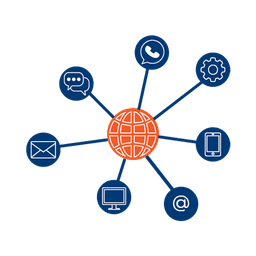
Large File Batch and Near Real Time Singular Sending
Our service includes automated large file batch sending through sFTP data transfer. The data can selectively drive template messaging. Near real-time email sending is facilitated through our API, using templates or dynamic text.
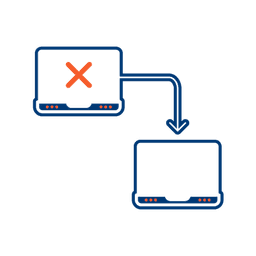
Integrated Failover to the next available channel
Where another channel in our omnichannel platform is unsuccessful in delivering a message, we can automatically fail over to email. Priority and fail over channels are configurable.

Detailed Reporting
Bidvest Data provides near-real-time and periodic aggregate batched reporting on consumer engagement, including link tracking, email delivery status, and customized reports on microsite access.
Ready to Transform Your EMAIL?
Get started today and see immediate results
Frequently Asked Questions
Get answers to common questions about EMAIL