
HTML Coding vs. Traditional Email Templates: A Comprehensive Guide for South African Enterprises
Explore the key differences between HTML coding and traditional email templates. Discover which approach suits your enterprise's email marketing needs with Bidvest Data's detailed guide.
In today's digital landscape, email marketing remains a vital tool for enterprises to engage with customers, partners, and stakeholders. This comprehensive guide delves into the nuances of HTML coding versus traditional email templates, helping South African enterprises make informed decisions that maximize engagement, ensure compliance, and optimize operational efficiency.
Understanding the Basics of Email Design
Email design plays a crucial role in the effectiveness of communication, affecting how messages are perceived and acted upon. With two primary approaches available, understanding the key differences between HTML coding and traditional email templates is vital for ensuring successful email campaigns.
Defining HTML Coding
HTML coding refers to the practice of creating email layouts directly using Hypertext Markup Language (HTML). This method provides granular control over the design aspects, allowing enterprises to customize every element of an email.
- Customizability: HTML coding allows for unique designs tailored to specific branding guidelines, offering complete flexibility.
- Interactive Elements: Developers can incorporate animations and dynamic content, improving user engagement significantly.
- Responsive Design: Well-coded HTML emails adapt to different screen sizes and devices, ensuring optimal viewing experiences.
Exploring Traditional Email Templates
Traditional email templates, often provided by email marketing platforms, offer pre-designed formats that users can customize with content, images, and colors. This makes them more accessible, especially for those with limited technical expertise.
- Ease of Use: Users can quickly create and send emails without needing in-depth coding knowledge, empowering marketing teams.
- Rapid Deployment: With ready-to-use templates, companies can launch marketing campaigns swiftly and efficiently.
- Standardization: Consistency in branding and messaging is easily maintained across multiple communications.
Key Considerations: HTML vs. Traditional Templates
When deciding between HTML coding and traditional email templates, enterprises need to consider several critical factors:
1. Audience Engagement
HTML emails can offer a more tailored and engaging experience, which may result in higher click-through rates (CTR) and improved customer interactions. They enable personalized interactions through dynamic content based on user behavior and preferences.
2. Brand Consistency
Traditional email templates ensure that branding remains consistent across all communications. This is crucial for large enterprises with multiple departments and stakeholders involved in email marketing.
3. Technical Resources
Enterprises with dedicated IT or development teams can leverage HTML coding for bespoke solutions. In contrast, businesses with limited technical resources may find traditional templates more practical and efficient.
4. Compliance and Accessibility
Both methods must adhere to compliance regulations, such as POPIA in South Africa. HTML coded emails require thorough testing to ensure accessibility across various devices and email clients, while traditional templates often provide built-in accessibility features.
Best Practices for Email Design
Regardless of the method chosen, adhering to email design best practices is essential for effective marketing:
- Keep Content Concise: Use clear and concise messaging to improve reader comprehension.
- Optimize for Mobile: Ensure that all emails look good on various devices, especially smartphones.
- Include Compelling CTAs: Use clear calls-to-action (CTAs) to encourage desired responses from recipients.
- Test Before Sending: Utilize A/B testing to evaluate different designs and identify the most effective approaches.
Conclusion: Choosing the Right Approach for Your Enterprise
Ultimately, the decision between HTML coding and traditional email templates depends on the specific needs and resources of your enterprise. While HTML coding offers customization and features geared towards engagement, traditional templates provide ease of use and rapid deployment. Understanding your target audience and aligning with your business objectives will guide you in selecting the method that best suits your enterprise's email marketing strategy.
Key Features Include
Discover our comprehensive solution features designed to transform your business communication experience
Managing your sending domains
We implement your designs, images and artwork for optimal delivery. We measure and manage spam ratings, and we monitor and manage blacklisting and reputation of sending domains.

Zero Rated Data
PDF documents, HTML content, videos and animations can be hosted on our Zero Rated Data domains. Reverse billing of data on these domains ensure access for end users to content at no cost. Bidvest Data offers this service on all South African and Namibian mobile networks.

Customizable
Bidvest Data offers custom-built, screen adaptive, HTML environments, enabling features like animation, rotating GIFs, and interactive buttons in the email body and built into the unique microsite.
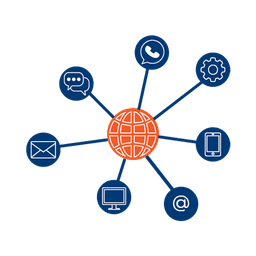
Large File Batch and Near Real Time Singular Sending
Our service includes automated large file batch sending through sFTP data transfer. The data can selectively drive template messaging. Near real-time email sending is facilitated through our API, using templates or dynamic text.
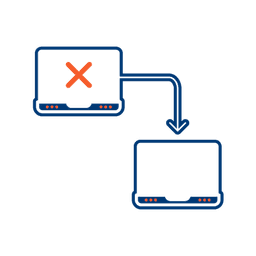
Integrated Failover to the next available channel
Where another channel in our omnichannel platform is unsuccessful in delivering a message, we can automatically fail over to email. Priority and fail over channels are configurable.

Detailed Reporting
Bidvest Data provides near-real-time and periodic aggregate batched reporting on consumer engagement, including link tracking, email delivery status, and customized reports on microsite access.
Ready to Transform Your EMAIL?
Get started today and see immediate results
Frequently Asked Questions
Get answers to common questions about EMAIL