
How to Create a Secure Messaging Policy for Enterprises: A Comprehensive Guide
Learn how to craft a secure messaging policy tailored for enterprises. This guide covers essential components, development steps, and compliance best practices specific to South African businesses.
In an era where digital communication is foundational to business operations, the need for a robust secure messaging policy cannot be overstated. This guide delves into the essential aspects of crafting a secure messaging policy tailored for enterprise environments, focusing on compliance with South African regulations such as POPIA, while addressing the specific needs of IT decision-makers and compliance officers.
Understanding the Importance of a Secure Messaging Policy
A secure messaging policy outlines how an organization handles electronic communications to protect sensitive information. With increasing cyber threats and regulatory scrutiny, it is critical for South African enterprises across various sectors, such as financial services and healthcare, to implement stringent communication security measures.
Why Enterprises Need a Secure Messaging Policy
- Data Protection: Safeguarding sensitive information from unauthorized access and data breaches.
- Regulatory Compliance: Ensuring adherence to legal frameworks such as POPIA and GDPR, which govern data protection measures.
- Risk Mitigation: Minimizing the risk of legal repercussions and financial losses due to data mismanagement or breaches.
Key Components of a Secure Messaging Policy
A well-structured secure messaging policy should encompass several critical components that guide communication practices within the enterprise:
1. Scope and Applicability
Clearly define the policy's reach, including which teams, departments, and third parties it applies to, and the types of messages covered.
2. Communication Channels
Specify which messaging platforms and tools are authorized for use, such as email, SMS, WhatsApp, and internal chat applications. Highlight security features for each channel, such as end-to-end encryption.
3. Data Classification
Implement a data classification framework to determine how different types of information should be handled based on sensitivity levels.
4. Access Control
Establish guidelines for user access to secure messaging tools, specifying roles and permissions to ensure that only authorized personnel can send or view sensitive communications.
5. Encryption Requirements
Detail the encryption standards that must be followed for data at rest and in transit, reinforcing the necessity of using strong encryption methods complying with industry standards.
Steps to Develop Your Secure Messaging Policy
Drafting a secure messaging policy requires a structured approach that incorporates collaboration across various departments. Follow these steps:
Step-by-Step Guide
- Conduct a Risk Assessment: Identify potential threats associated with messaging and prioritize them based on their potential impact on the organization.
- Engage Stakeholders: Collaborate with IT, compliance, legal, and operational teams to gather input on communication practices and regulatory requirements.
- Draft the Policy: Create the policy documentation, ensuring it includes all key components and aligns with the organizational objectives and regulatory frameworks.
- Review and Finalize: Present the draft to executive management for approval, ensuring that all feedback is incorporated before finalization.
- Training and Communication: Deploy training programs to educate employees on the policy and its implications, reinforcing their role in maintaining communication security.
Monitoring and Revising the Policy
A secure messaging policy is not a static document. Regular reviews and updates are essential to adapt to evolving legal standards, technological advancements, and emerging communication practices. Engaging compliance teams and legal advisors during these review cycles will ensure continuous alignment with regulatory requirements.
Implementation of auditing and monitoring mechanisms can also aid in assessing adherence to the policy, providing insights into areas that may require enhancements.
Conclusion: The Path Forward
For enterprises operating within South Africa's regulatory landscape, developing a secure messaging policy is a fundamental step towards safeguarding sensitive communications. By aligning your messaging practices with industry standards and legal obligations, you build a framework that not only protects your organization but also fosters trust among stakeholders.
Key Features Include
Discover our comprehensive solution features designed to transform your business communication experience
Managing your sending domains
We implement your designs, images and artwork for optimal delivery. We measure and manage spam ratings, and we monitor and manage blacklisting and reputation of sending domains.

Zero Rated Data
PDF documents, HTML content, videos and animations can be hosted on our Zero Rated Data domains. Reverse billing of data on these domains ensure access for end users to content at no cost. Bidvest Data offers this service on all South African and Namibian mobile networks.
Customizable
Bidvest Data offers custom-built, screen adaptive, HTML environments, enabling features like animation, rotating GIFs, and interactive buttons in the email body and built into the unique microsite.

Large File Batch and Near Real Time Singular Sending
Our service includes automated large file batch sending through sFTP data transfer. The data can selectively drive template messaging. Near real-time email sending is facilitated through our API, using templates or dynamic text.
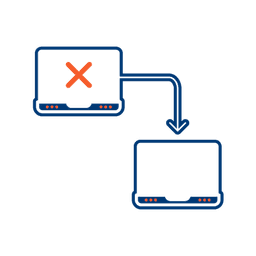
Integrated Failover to the next available channel
Where another channel in our omnichannel platform is unsuccessful in delivering a message, we can automatically fail over to email. Priority and fail over channels are configurable.

Detailed Reporting
Bidvest Data provides near-real-time and periodic aggregate batched reporting on consumer engagement, including link tracking, email delivery status, and customized reports on microsite access.
Ready to Transform Your EMAIL?
Get started today and see immediate results
Frequently Asked Questions
Get answers to common questions about EMAIL