
How to Configure Mass Messaging Platforms for Your Enterprise Needs
Discover essential steps to configure mass messaging platforms tailored for enterprise needs, ensuring effective communication, compliance, and operational efficiency.
Configuring mass messaging platforms for enterprise environments is crucial for businesses aiming to enhance communication efficiency. Many organizations in sectors such as finance, healthcare, and logistics require effective mass messaging solutions to reach their customers swiftly and securely. In this comprehensive guide, we explore essential steps for configuring these platforms, best practices, and real-world applications that meet the compliance and operational needs of medium to large enterprises in South Africa.
Understanding Mass Messaging Platforms
Mass messaging platforms allow organizations to send bulk messages to a large audience through various channels like SMS, email, and social media. The adaptability of these platforms ensures they can cater to diverse communication needs, whether reaching out for marketing campaigns, emergency alerts, or customer service communications. They also help maintain compliance with the Protection of Personal Information Act (POPIA) in South Africa, making secure data handling essential.
Key Features to Consider
Essential Features of a Mass Messaging Platform
- Multi-Channel Support: Ensure the platform supports SMS, email, WhatsApp, and other channels to reach customers wherever they are.
- Automation Capabilities: The ability to automate campaigns based on user behavior enhances engagement and efficiency.
- Personalization Options: Tailoring messages to individual user preferences increases the effectiveness of your communication.
- Analytics and Reporting: Robust tracking and reporting tools to measure engagement metrics and campaign performance.
- Compliance Features: Ensure the platform adheres to local regulations such as POPIA for secure data handling.
Step-by-Step Guide to Configuring Your Platform
1. Define Your Communication Goals
Begin by pinpointing what you wish to achieve through mass messaging. For enterprises, this could include goals such as improving customer engagement, disseminating information rapidly during emergencies, or promoting services effectively. Clearly defined objectives streamline the configuration process and enhance campaign effectiveness.
2. Choose the Right Platform
Select a mass messaging platform that meets your specific needs. Evaluate factors such as scalability, integration capabilities with existing systems, user-friendliness, and cost. Make sure to read reviews and possibly request a demo to understand how it caters to your enterprise's unique challenges.
3. Install and Integrate the Platform
Follow the platform-specific installation instructions. During the integration phase, ensure the platform can connect seamlessly with your Customer Relationship Management (CRM) system, marketing tools, and other essential applications. This integration is crucial for managing contact lists and personalizing communications effectively.
4. Create Contact Lists
Segment your audience based on criteria such as demographics, purchasing history, or engagement levels. Creating targeted lists ensures messages are relevant and resonate well with your audience. Import these lists into the platform, ensuring compliance with POPIA regulations regarding customer data.
5. Customize Your Messaging
Craft your messages to be clear, concise, and engaging. Utilize personalization techniques to connect with recipients on a deeper level. Ensure that messaging remains compliant by providing clear opt-out options and stating the purpose of communication.
6. Test the System
Before full deployment, conduct tests to ensure the functionality of the platform. Send test messages to various segments of your audience to gauge responses and verify that features like autoresponders and analytics are operational. Feedback from these tests can provide valuable insights.
7. Monitor and Optimize
Once the platform is live, continuous monitoring is key. Utilize the analytics tools to track engagement and adjust your strategies accordingly. A/B testing different messaging strategies can uncover insights to inform future campaigns.
Best Practices for Successful Mass Messaging
- Consistency is Key: Regularly update your audience with pertinent information without overwhelming them. Strike the right balance.
- Respect Customer Preferences: Always honor opt-in/opt-out requests and preferences to build trust and retain your audience.
- Be Compliant: Ensure adherence to POPIA and other relevant regulations to protect customer information.
- Analyze and Adapt: Use feedback and analytics to continually refine your messaging strategies for better outcomes.
Conclusion
Configuring mass messaging platforms is a strategic imperative for enterprises looking to enhance communication efficiency and engagement. By understanding the critical features necessary for success and following a structured configuration process, organizations can optimize their messaging capabilities to support various needs while ensuring compliance and operational security.
Key Features Include
Discover our comprehensive solution features designed to transform your business communication experience
Personalized Microsites
Bidvest Data sends on average more than 10 million personalized SMS/SV SMS messages per month, with daily peaks exceeding 2 million messages. This comprises mainly of transactional notifications and hosted transactional data.
Secure and Trackable
The SMS channel delivers a secure, shortened personalized URL to the consumer, directing them to their unique microsite. All consumer activity can be tracked.

Zero Rated Data
PDF documents, HTML content, videos and animations can be hosted on our Zero Rated Data domains. Reverse billing of data on these domains ensure access for end users to content at no cost. Bidvest Data offers this service on all South African and Namibian mobile networks.
Customizable
Bidvest Data offers custom-built, screen adaptive, HTML environments, enabling features like animation, rotating GIFs, and interactive buttons.
Large File Batch and Near Real Time Singular Sending
Our service includes automated large file batch sending through sFTP data transfer. The data can selectively drive template messaging. Near real-time SMS sending is facilitated through our API, using templates or dynamic text.
Integrated Failover to the Next Available Channel
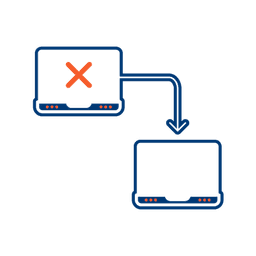
Where another channel in our omnichannel platform is unsuccessful in delivering a message, we can automatically fail over to SMS. Priority and fail over channels are configurable.

Detailed Reporting
Bidvest Data provides near-real-time and periodic aggregate batched reporting on consumer engagement, including link tracking, SMS and SV SMS delivery status, and customized reports on microsite access.
Ready to Transform Your Sms And Svsms?
Get started today and see immediate results
Frequently Asked Questions
Get answers to common questions about Sms And Svsms