
Enterprise Email vs. Traditional Methods: Choosing the Right Communication Solution for Your Organization
Explore the advantages of enterprise email solutions compared to traditional communication methods, and learn how to enhance your organization’s communications strategy.
In a rapidly evolving business landscape, effective communication plays a pivotal role in the success of enterprises. Choosing the right communication method not only enhances operational efficiency but also drives customer engagement and satisfaction. This comprehensive guide compares enterprise email solutions with traditional communication methods, providing insights into their unique advantages, best practices, and how to choose a strategy that aligns with your organizational goals.
Understanding Traditional Communication Methods
Traditional communication methods include face-to-face meetings, postal mail, and telephone communications. While they have been effective in the past, they come with inherent limitations:
- Time Constraints: Meetings and phone calls are often time-consuming, limiting flexibility and availability.
- Incomplete Tracking: Traditional methods lack the ability to track communication history, making it difficult to maintain records and accountability.
- Costs of Communication: Postal services incur operational costs that can quickly accumulate, especially for large enterprises communicating with numerous clients.
The Power of Enterprise Email
Enterprise email solutions have evolved to become sophisticated communication platforms that integrate seamlessly with organizations' workflows. By considering the needs of medium to large businesses, enterprise email addresses the limitations of traditional methods while introducing several advantages:
Key Benefits of Enterprise Email
- Enhanced Communication Efficiency: Instantaneous delivery of messages allows for timely communication, promoting faster decision-making.
- Comprehensive Tracking and Reporting: With modern enterprise email solutions, organizations can maintain detailed logs of all communications for audit control and compliance, crucial for industries like finance and healthcare.
- Cost-Effective: Avoiding the costs of postal services and phone calls can result in significant savings, allowing for resources to be redirected towards core business activities.
- Integration Capabilities: Enterprise email platforms often integrate with CRM, ERP, and other business tools, streamlining processes and enhancing productivity.
Comparative Analysis: Enterprise Email vs. Traditional Methods
To better understand the differences, let’s conduct a side-by-side comparison:
Criteria Comparison
Traditional Methods
- Slower response times
- Higher operational costs
- Lack of integration with digital tools
- Communication gaps due to missed interactions
Enterprise Email
- Immediate message delivery
- Cost savings on communication expenses
- Easily integrates with business applications
- Complete visibility into communication history
Implementing Enterprise Email Solutions
For businesses looking to transition to enterprise email, consider the following implementation steps:
Steps for Successful Implementation
- Evaluate Business Needs: Identify specific communication requirements and pain points in the current systems.
- Choose the Right Platform: Opt for a scalable enterprise email provider that aligns with your integration and security needs.
- Plan the Migration: Develop a strategic migration plan to transfer existing data and ensure continuity during the transition.
- Employee Training: Equip employees with the necessary skills and knowledge to effectively use the new email platform.
- Monitor and Optimize: After implementation, track performance metrics to refine processes continually.
Conclusion: Making an Informed Decision
Selecting between enterprise email and traditional methods hinges on various factors, including organizational goals, existing communication challenges, and compliance requirements. While traditional methods have their place, enterprise email offers enhanced efficiency, cost-effectiveness, and integration capabilities that can significantly benefit modern businesses.
In an era where timely and effective communication is paramount, transitioning to an enterprise email solution may provide the competitive edge your organization needs to thrive.
Key Features Include
Discover our comprehensive solution features designed to transform your business communication experience
Managing your sending domains
We implement your designs, images and artwork for optimal delivery. We measure and manage spam ratings, and we monitor and manage blacklisting and reputation of sending domains.

Zero Rated Data
PDF documents, HTML content, videos and animations can be hosted on our Zero Rated Data domains. Reverse billing of data on these domains ensure access for end users to content at no cost. Bidvest Data offers this service on all South African and Namibian mobile networks.
Customizable
Bidvest Data offers custom-built, screen adaptive, HTML environments, enabling features like animation, rotating GIFs, and interactive buttons in the email body and built into the unique microsite.
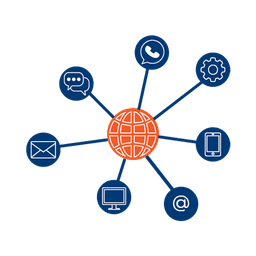
Large File Batch and Near Real Time Singular Sending
Our service includes automated large file batch sending through sFTP data transfer. The data can selectively drive template messaging. Near real-time email sending is facilitated through our API, using templates or dynamic text.
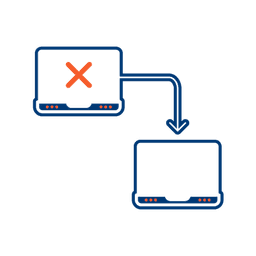
Integrated Failover to the next available channel
Where another channel in our omnichannel platform is unsuccessful in delivering a message, we can automatically fail over to email. Priority and fail over channels are configurable.

Detailed Reporting
Bidvest Data provides near-real-time and periodic aggregate batched reporting on consumer engagement, including link tracking, email delivery status, and customized reports on microsite access.
Ready to Transform Your EMAIL?
Get started today and see immediate results
Frequently Asked Questions
Get answers to common questions about EMAIL