
Email Reporting vs Traditional Email Metrics: A Comprehensive Guide for South African Enterprises
Explore the critical differences between email reporting and traditional email metrics, and how South African enterprises can leverage advanced data insights for enhanced communication effectiveness.
In an era where data-driven decisions reign supreme, South African enterprises must evolve beyond basic email metrics to optimize their communication strategies. This comprehensive guide delves into the significant differences between traditional email metrics and advanced email reporting strategies, highlighting the importance of leveraging these insights for improved operational efficiency and customer engagement.
Understanding Traditional Email Metrics
Traditional email metrics often focus on surface-level data points, including:
- Open Rates: The percentage of recipients who opened an email.
- Click-Through Rates (CTR): The percentage of recipients who clicked on links within the email.
- Bounce Rates: The proportion of emails that could not be delivered.
- Unsubscribe Rates: The number of recipients who opted out of receiving emails.
While these metrics provide some insights into email performance, they fall short in delivering a comprehensive view of user engagement and communication effectiveness.
The Shift to Advanced Email Reporting
In contrast, advanced email reporting offers a multifaceted understanding of email effectiveness, enabling IT decision-makers to derive actionable insights. Key components of email reporting include:
- Engagement Over Time: Analyzing how engagement varies during the campaign lifecycle, helping optimize sending times.
- Audience Segmentation Insights: Understanding which segments interact with specific content types, enhancing future targeting efforts.
- Revenue Attribution: Tracking how emails contribute directly to sales, allowing for more strategic budget allocations.
- Personalization Impact: Measuring the effect of personalized content on engagement and conversion rates.
The Importance of Data-Driven Decision Making
For medium to large enterprises in South Africa, leveraging advanced email reporting fosters data-driven decision-making. By utilizing detailed insights, businesses can:
- Tailor content based on user preferences, maximizing engagement.
- Implement A/B testing with valid metrics to identify optimal messaging strategies.
- Attribute generated revenue accurately to specific campaigns, improving ROI.
- Enhance compliance with South African regulations like POPIA through targeted communication practices.
Comparative Analysis: Traditional Metrics vs. Advanced Reporting
Feature Comparison
| Feature | Traditional Metrics | Advanced Reporting |
|---|---|---|
| Open Rate | Basic measurement | Engagement tracking with segmentation |
| CTR | Static calculation | Dynamic analysis across campaigns |
| Bounce Rate | Limited insights | Root cause analysis of bounces |
| Unsubscribe Rate | Reactive response | Predictive insights for churn management |
Implementing Advanced Email Reporting: Best Practices
To successfully implement advanced email reporting, enterprises should consider the following best practices:
1. Integrative Approach to Data Management
Ensure that email reporting integrates with CRM and analytics platforms, providing a holistic view of customer interactions.
2. Regular Review and Optimization
Conduct periodic reviews of reporting outputs to adapt strategies, enhancing campaign effectiveness.
3. Training for Stakeholders
Provide training sessions for relevant stakeholders to utilize email reporting tools effectively and cultivate data literacy.
Conclusion: The Future of Email Metrics in Enterprises
As South African enterprises strive for growth amid a competitive landscape, the adoption of advanced email reporting over traditional metrics is not just advantageous—it's essential. By embracing comprehensive insights, companies can foster deeper customer relationships and elevate their operational framework.
Key Features Include
Discover our comprehensive solution features designed to transform your business communication experience
Managing your sending domains
We implement your designs, images and artwork for optimal delivery. We measure and manage spam ratings, and we monitor and manage blacklisting and reputation of sending domains.

Zero Rated Data
PDF documents, HTML content, videos and animations can be hosted on our Zero Rated Data domains. Reverse billing of data on these domains ensure access for end users to content at no cost. Bidvest Data offers this service on all South African and Namibian mobile networks.

Customizable
Bidvest Data offers custom-built, screen adaptive, HTML environments, enabling features like animation, rotating GIFs, and interactive buttons in the email body and built into the unique microsite.

Large File Batch and Near Real Time Singular Sending
Our service includes automated large file batch sending through sFTP data transfer. The data can selectively drive template messaging. Near real-time email sending is facilitated through our API, using templates or dynamic text.
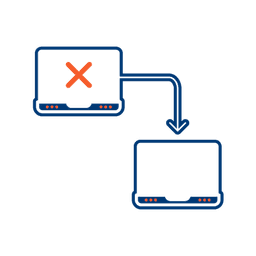
Integrated Failover to the next available channel
Where another channel in our omnichannel platform is unsuccessful in delivering a message, we can automatically fail over to email. Priority and fail over channels are configurable.

Detailed Reporting
Bidvest Data provides near-real-time and periodic aggregate batched reporting on consumer engagement, including link tracking, email delivery status, and customized reports on microsite access.
Ready to Transform Your EMAIL?
Get started today and see immediate results
Frequently Asked Questions
Get answers to common questions about EMAIL