
Email Sending Domains vs. Traditional Email Services: A Comprehensive Guide for Enterprises
Explore the critical differences between email sending domains and traditional email services for enterprise needs. Discover the benefits of dedicated domains for improved deliverability, branding, and performance analytics.
In today's business environment, email remains a cornerstone of corporate communication and marketing. However, enterprises face the dilemma of choosing between traditional email services and dedicated email sending domains. This detailed guide provides a thorough comparison, illuminating the advantages and disadvantages of each approach, helping IT decision-makers and procurement managers strategize effectively for their organization’s needs.
Understanding Email Sending Domains
Email sending domains refer to distinct domains established specifically for the purpose of sending bulk emails and transactional messages. Unlike traditional email services that typically utilize generic addresses (e.g., Gmail or Yahoo Mail), dedicated sending domains allow enterprises to maintain full control over their email reputation, branding, and deliverability.
Benefits of Using Email Sending Domains
- Enhanced Deliverability: With a dedicated sending domain, businesses can establish a solid sender reputation, which improves email deliverability rates and reduces the chances of getting marked as spam.
- Brand Consistency: Dedicated domains enhance brand credibility, allowing consistent branding in email communications, which fosters recognition and trust.
- Reduced Risk of Blacklisting: By isolating bulk mail from other communications, sending domains mitigate the risk of blacklisting any associated domains due to poorly performing campaigns.
- Advanced Analytics: Enterprises can track important metrics such as open rates, click-through rates, and delivery success more accurately when using dedicated sending domains, leading to better decision-making.
Exploring Traditional Email Services
Traditional email services encompass widely-used platforms (like Gmail or Outlook) that offer basic email communication features and functionalities. While they provide accessibility and user-friendliness, traditional email services may lack the necessary tools for effective bulk email management.
Disadvantages of Traditional Email Services for Enterprises
- Limited Sending Capacity: Most traditional services impose sending limits, hindering the ability to send large volumes of emails, especially for marketing campaigns.
- Inadequate Deliverability Features: With generic domains, these services often lack the mechanisms to manage sender reputation or combat spam filters effectively.
- Less Control Over Branding: Utilizing a generic email address can diminish brand recognition and professionalism in communications.
- Complexity in Reporting: Traditional services may not provide the in-depth analytics needed for comprehensive performance evaluation and tracking of email campaigns.
When to Choose Email Sending Domains
Enterprises heavily reliant on email for marketing, customer engagement, and transactional communications should strongly consider adopting dedicated email sending domains. Key scenarios include:
- High-Volume Email Sending: If your organization routinely sends newsletters, promotional emails, or notifications, a sending domain will handle larger volumes effectively without deliverability issues.
- Commitment to Brand Integrity: Businesses that prioritize brand recognition and compliance can enhance their professional image through a dedicated domain.
- Requirement for In-Depth Performance Tracking: Companies aiming to conduct thorough analysis and optimization of their email strategies will benefit from the insights available through dedicated domains.
Making the Shift: Implementation Steps
Transitioning to an email sending domain involves a series of strategic steps:
- Select a Domain: Choose a new or existing domain that represents your brand.
- Set Up Domain Authentication: Implement necessary protocols like SPF, DKIM, and DMARC to protect your emails from spoofing and phishing.
- Integrate with an Email Service Provider (ESP): Utilize a robust ESP that specializes in transactional and bulk email services.
- Monitor and Optimize Performance: Regularly track analytics and adjust your strategies based on collected data to enhance campaign effectiveness.
Conclusion: Choose What Works for Your Business
In conclusion, while traditional email services may suffice for general communication needs, enterprises focusing on growth, compliance, and branding should lean towards dedicated email sending domains. The right choice will ultimately depend on your company's specific requirements, email volume, and strategic goals.
Key Features Include
Discover our comprehensive solution features designed to transform your business communication experience
Managing your sending domains
We implement your designs, images and artwork for optimal delivery. We measure and manage spam ratings, and we monitor and manage blacklisting and reputation of sending domains.

Zero Rated Data
PDF documents, HTML content, videos and animations can be hosted on our Zero Rated Data domains. Reverse billing of data on these domains ensure access for end users to content at no cost. Bidvest Data offers this service on all South African and Namibian mobile networks.

Customizable
Bidvest Data offers custom-built, screen adaptive, HTML environments, enabling features like animation, rotating GIFs, and interactive buttons in the email body and built into the unique microsite.

Large File Batch and Near Real Time Singular Sending
Our service includes automated large file batch sending through sFTP data transfer. The data can selectively drive template messaging. Near real-time email sending is facilitated through our API, using templates or dynamic text.
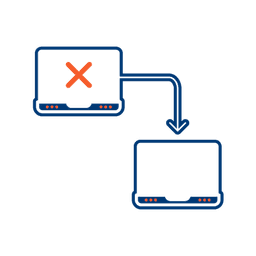
Integrated Failover to the next available channel
Where another channel in our omnichannel platform is unsuccessful in delivering a message, we can automatically fail over to email. Priority and fail over channels are configurable.

Detailed Reporting
Bidvest Data provides near-real-time and periodic aggregate batched reporting on consumer engagement, including link tracking, email delivery status, and customized reports on microsite access.
Ready to Transform Your EMAIL?
Get started today and see immediate results
Frequently Asked Questions
Get answers to common questions about EMAIL