
FAQs About Managing Email Sending Domains: A Comprehensive Guide for Enterprises
Explore frequently asked questions about managing email sending domains, including best practices, compliance, and tips to improve email deliverability for South African enterprises.
Managing email sending domains effectively is essential for enterprises that depend on secure and reliable email communications. This detailed guide addresses common questions surrounding email sending domains, focusing on best practices, compliance, and operational efficiency specifically tailored for IT decision-makers, compliance officers, and operational heads within South African enterprises.
What is an Email Sending Domain?
An email sending domain refers to the domain name used in the 'From' address of an email message. For example, if your company’s website is example.com, the email could be sent from info@example.com. Managing this domain properly is crucial for ensuring deliverability, sender reputation, and compliance with email standards.
Why is Managing Email Sending Domains Important?
Managing email sending domains plays a significant role in protecting your brand's reputation and optimizing communication efforts. Here are some reasons why:
- Deliverability: Properly configured email sending domains improve your chances of reaching your recipients’ inboxes rather than their spam folders.
- Sender Reputation: A well-maintained domain helps build trust with ISPs (Internet Service Providers) and recipients alike, enhancing your overall sender reputation.
- Compliance: Ensuring your email practices align with regulations such as the POPIA enhances data management and privacy practices.
Common FAQs on Managing Email Sending Domains
1. How do I set up an email sending domain?
To set up an email sending domain:
- Access DNS Settings: Go to your domain registrar's control panel.
- Add TXT Records: Implement DKIM (DomainKeys Identified Mail) and SPF (Sender Policy Framework) records, essential for email authentication.
- Verify the Domain: Use your email service provider's (ESP) tools to verify domain ownership.
2. What is DKIM and why is it necessary?
DKIM allows the sender to assert that an email was indeed sent and authorized by the owner of that domain. It works by affixing a digital signature linked to your domain in your email headers, helping to prevent email spoofing.
3. What is SPF and how does it work?
SPF is a DNS record that indicates which mail servers are allowed to send emails on behalf of your domain. When an email is sent, the recipient's server checks the SPF record to validate the sending server’s IP address against the record. This helps to reduce the risk of spam and phishing.
4. How can I improve my email deliverability?
Improving email deliverability involves several best practices:
- Regular Monitoring: Continuously monitor your sender reputation and deliverability rates using analytics tools.
- List Hygiene: Maintain a clean email list, removing inactive users and email addresses that frequently bounce.
- Engagement Rates: Drive engagement by sending relevant content to your audience, ensuring high open and click-through rates.
5. What to do if my emails end up in spam?
If your emails are ending up in spam folders, consider these troubleshooting steps:
- Check Authentication Records: Ensure DKIM and SPF records are set up correctly.
- Content Review: Evaluate the content of your emails for spam-triggering elements and modify them accordingly.
- Recipient Engagement: Encourage your recipients to add your email address to their contact lists and whitelist your domain.
Conclusion
Proper management of email sending domains is integral to effective enterprise communication. By understanding the essential components of domain management, enterprises can secure their communications, maintain their reputation, and ensure compliance. For tailored solutions and expert assistance in managing your email sending domains, consider partnering with Bidvest Data, South Africa's leader in secure communication solutions.
Key Features Include
Discover our comprehensive solution features designed to transform your business communication experience
Managing your sending domains
We implement your designs, images and artwork for optimal delivery. We measure and manage spam ratings, and we monitor and manage blacklisting and reputation of sending domains.

Zero Rated Data
PDF documents, HTML content, videos and animations can be hosted on our Zero Rated Data domains. Reverse billing of data on these domains ensure access for end users to content at no cost. Bidvest Data offers this service on all South African and Namibian mobile networks.

Customizable
Bidvest Data offers custom-built, screen adaptive, HTML environments, enabling features like animation, rotating GIFs, and interactive buttons in the email body and built into the unique microsite.

Large File Batch and Near Real Time Singular Sending
Our service includes automated large file batch sending through sFTP data transfer. The data can selectively drive template messaging. Near real-time email sending is facilitated through our API, using templates or dynamic text.
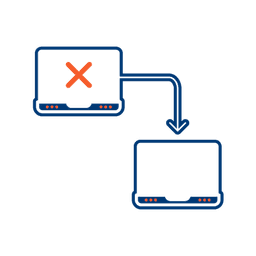
Integrated Failover to the next available channel
Where another channel in our omnichannel platform is unsuccessful in delivering a message, we can automatically fail over to email. Priority and fail over channels are configurable.

Detailed Reporting
Bidvest Data provides near-real-time and periodic aggregate batched reporting on consumer engagement, including link tracking, email delivery status, and customized reports on microsite access.
Ready to Transform Your EMAIL?
Get started today and see immediate results
Frequently Asked Questions
Get answers to common questions about EMAIL