
Comprehensive Email Sending Domain Security Features for South African Corporations
Discover essential email sending domain security features and best practices to protect your business against phishing, spoofing, and data breaches. Safeguard your communications with Bidvest Data.
In the fast-evolving digital landscape, securing your email sending domain is paramount, especially for enterprises managing sensitive information. For South African corporations, maintaining the integrity and security of email communications not only protects brand reputation but also ensures compliance with regulatory requirements, such as the Protection of Personal Information Act (POPIA). This comprehensive guide will delve into the essential security features for email sending domains that every medium to large business should consider.
The Importance of Email Domain Security
With the increasing prevalence of cybersecurity threats, securing your email sending domain has become a critical line of defense against phishing attacks, data breaches, and unauthorized access. An unsecured email domain can result in severe financial loss, legal repercussions, and reputational damage.
Key Risks Facing Organizations
- Phishing Attacks: Cybercriminals posing as legitimate entities to gain access to sensitive information or financial resources.
- Spoofing: When unauthorized users send emails that appear to be from your domain, damaging trust and authority.
- Data Breaches: Compromise of sensitive and confidential information, leading to compliance violations and hefty fines.
Essential Email Sending Domain Security Features
To defend against these threats, a multi-layered approach is necessary. Here are the essential security features that organizations should implement to protect their email domains:
1. SPF (Sender Policy Framework)
SPF is an email authentication protocol that allows senders to specify which IP addresses are authorized to send email on behalf of their domain. This helps to prevent spammers from impersonating your domain.
2. DKIM (DomainKeys Identified Mail)
DKIM adds a digital signature to your emails, enabling receivers to verify that the message was indeed sent from your domain and has not been altered in transit.
3. DMARC (Domain-based Message Authentication, Reporting, and Conformance)
DMARC builds upon SPF and DKIM, providing instructions to receiving mail servers on how to handle unauthenticated emails, further protecting against phishing and spoofing.
4. TLS (Transport Layer Security)
Implementing TLS ensures that emails transmitted between mail servers are encrypted, protecting the content from eavesdropping during transit.
5. Regular Domain Monitoring and Reporting
Regular monitoring of your email sending domain through specialized tools can help identify unauthorized access attempts and domains attempting to spoof your brand. This proactive approach allows for quick mitigation of potential vulnerabilities.
Best Practices for Implementation
For effective email domain security, consider these best practices:
Strategic Steps for Enterprises
- Conduct a Security Audit: Evaluate your current email security measures and identify gaps in protection.
- Implement Authentication Protocols: Setup SPF, DKIM, and DMARC protocols as an integral part of your email infrastructure.
- Train Employees: Conduct regular training sessions on email security awareness to help employees recognize phishing attempts and secure communication practices.
- Implement Two-Factor Authentication: Adding an additional authentication layer provides an extra shield against unauthorized access.
Key Compliance and Regulatory Considerations
Businesses in sectors such as finance, healthcare, and government must align their email security practices with local regulations such as POPIA, ensuring the protection of sensitive personal information. Adopting robust email security measures not only meets these compliance requirements but also instills trust among clients and stakeholders.
Conclusion: Elevating Your Email Security Posture
In conclusion, securing your email sending domain is a crucial strategy for any South African enterprise looking to protect its reputation, safeguard sensitive data, and maintain compliance with relevant legislation. By implementing industry-leading security features, you not only minimize risks but also enhance the overall security posture of your organization. The investment in email security is, unequivocally, an investment in your business's future.
Key Features Include
Discover our comprehensive solution features designed to transform your business communication experience
Managing your sending domains
We implement your designs, images and artwork for optimal delivery. We measure and manage spam ratings, and we monitor and manage blacklisting and reputation of sending domains.

Zero Rated Data
PDF documents, HTML content, videos and animations can be hosted on our Zero Rated Data domains. Reverse billing of data on these domains ensure access for end users to content at no cost. Bidvest Data offers this service on all South African and Namibian mobile networks.

Customizable
Bidvest Data offers custom-built, screen adaptive, HTML environments, enabling features like animation, rotating GIFs, and interactive buttons in the email body and built into the unique microsite.

Large File Batch and Near Real Time Singular Sending
Our service includes automated large file batch sending through sFTP data transfer. The data can selectively drive template messaging. Near real-time email sending is facilitated through our API, using templates or dynamic text.
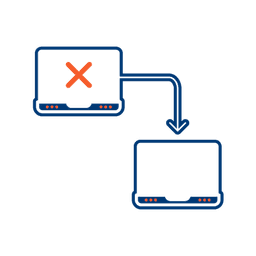
Integrated Failover to the next available channel
Where another channel in our omnichannel platform is unsuccessful in delivering a message, we can automatically fail over to email. Priority and fail over channels are configurable.

Detailed Reporting
Bidvest Data provides near-real-time and periodic aggregate batched reporting on consumer engagement, including link tracking, email delivery status, and customized reports on microsite access.
Ready to Transform Your EMAIL?
Get started today and see immediate results
Frequently Asked Questions
Get answers to common questions about EMAIL