
Email Sending Domain Management for Financial Institutions: Best Practices & Strategies
Explore effective strategies for email sending domain management tailored to financial institutions. Learn how to enhance deliverability, compliance, and security in email communications.
In the highly regulated financial sector, email communication is a critical touchpoint for engaging clients and stakeholders. Effective management of your email sending domain ensures not only enhanced deliverability but also plays a pivotal role in maintaining compliance with privacy laws and protecting your organization's reputation. This comprehensive guide dives deep into the essential aspects of email sending domain management tailored specifically for financial institutions, addressing unique challenges while proposing effective solutions.
Understanding the Importance of Email Domain Management
In the world of financial institutions, where trust is paramount, email communication must be secure, reliable, and compliant. Managing your email sending domains effectively can help:
- Enhance deliverability rates, ensuring critical communications reach your clients' inboxes.
- Strengthen your identity verification through proper domain authentication.
- Mitigate the risk of phishing attacks by establishing a robust sending reputation.
- Ensure compliance with the Protection of Personal Information Act (POPIA) and other regulatory requirements.
Key Components of Effective Domain Management
1. Domain Authentication Protocols
Utilizing authentication protocols such as SPF, DKIM, and DMARC is crucial:
- SPF (Sender Policy Framework): Defines permitted mail servers to send emails on behalf of your domain, reducing the likelihood of spoofing.
- DKIM (DomainKeys Identified Mail): Adds a digital signature to your email headers, affirming the message's integrity and origin.
- DMARC (Domain-based Message Authentication, Reporting & Conformance): Unifies SPF and DKIM efforts and provides mechanisms for invalidating fraudulent messages.
Implementing a Robust Email Sending Policy
A structured email sending policy is invaluable. Here are key considerations:
- Define clear sending limits: Establish frequency and volume controls for different types of communication to avoid blacklisting.
- Monitor sender reputation: Use tools and analytics to track your domain's reputation and take corrective actions as necessary.
- Evaluate list hygiene: Regularly scrub your mailing list to remove inactive or invalid email addresses to enhance engagement.
Compliance with Regulations
Adhering to POPIA and Financial Regulations
Financial institutions must comply with POPIA, which mandates accountability, privacy, and consent in all communications:
- Implement data encryption for sensitive information shared via email.
- Ensure subscribers have willingly opted into communications.
- Provide transparent options for users to unsubscribe from mailing lists.
Benefits of Professional Email Management Services
Implementing professional email management solutions can greatly enhance your efficiency:
- Access to expert feedback on domain performance and deliverability metrics.
- Continual updates on security threats and best practices in email management.
- Advanced analytics to refine targeting strategies and improve engagement rates.
Conclusion: Building Trust Through Email Communication
In an era of heightened cybersecurity threats, managing your email sending domains effectively has never been more critical for financial institutions. By adopting sound practices and complying with relevant regulations, you can improve your communication efficacy, enhance client relationships, and foster trust in your organization's commitment to safeguarding sensitive information.
Key Features Include
Discover our comprehensive solution features designed to transform your business communication experience
Managing your sending domains
We implement your designs, images and artwork for optimal delivery. We measure and manage spam ratings, and we monitor and manage blacklisting and reputation of sending domains.

Zero Rated Data
PDF documents, HTML content, videos and animations can be hosted on our Zero Rated Data domains. Reverse billing of data on these domains ensure access for end users to content at no cost. Bidvest Data offers this service on all South African and Namibian mobile networks.

Customizable
Bidvest Data offers custom-built, screen adaptive, HTML environments, enabling features like animation, rotating GIFs, and interactive buttons in the email body and built into the unique microsite.

Large File Batch and Near Real Time Singular Sending
Our service includes automated large file batch sending through sFTP data transfer. The data can selectively drive template messaging. Near real-time email sending is facilitated through our API, using templates or dynamic text.
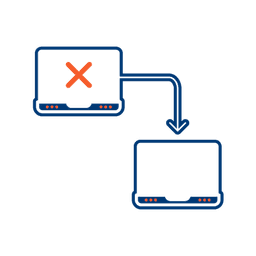
Integrated Failover to the next available channel
Where another channel in our omnichannel platform is unsuccessful in delivering a message, we can automatically fail over to email. Priority and fail over channels are configurable.

Detailed Reporting
Bidvest Data provides near-real-time and periodic aggregate batched reporting on consumer engagement, including link tracking, email delivery status, and customized reports on microsite access.
Ready to Transform Your EMAIL?
Get started today and see immediate results
Frequently Asked Questions
Get answers to common questions about EMAIL