
Effective Email Reporting in Financial Services: The Ultimate Guide for 2024
Discover best practices, compliance strategies, and implementation techniques for effective email reporting in financial services. Enhance stakeholder communication with Bidvest Data's solutions.
Email reporting has emerged as a critical component in the financial services sector, enabling firms to communicate essential insights and data-driven decisions effectively with stakeholders. This comprehensive guide explores the various aspects of email reporting, including best practices, compliance considerations, implementation strategies, and how Bidvest Data's solutions can enhance your reporting processes.
The Importance of Email Reporting in Financial Services
As regulatory landscapes evolve, financial institutions must maintain transparency and accuracy in their communications. Email reporting serves a dual purpose: it provides timely updates on financial performance and adheres to compliance requirements while fostering customer trust and engagement. Utilizing effective email reporting processes enables financial institutions to:
- Maintain Regulatory Compliance: Ensure adherence to local and international financial regulations, including those set by the Financial Sector Conduct Authority (FSCA) and the South African Reserve Bank.
- Enhance Stakeholder Communication: Deliver timely and relevant financial data to shareholders, clients, and regulators, fostering a transparent relationship.
- Drive Data-Driven Decisions: Facilitate informed decision-making by providing management with critical insights on performance trends, risks, and opportunities.
Understanding Best Practices for Email Reporting
To maximize the impact of email reporting, financial services organizations must adhere to best practices designed to create clarity and engagement. Consider the following practices:
Key Best Practices
- Clear Subject Lines: Use concise and meaningful subject lines to convey the essence of the report, helping recipients prioritize their reading.
- Structured Content: Organize email content using headers, bullet points, or tables to improve readability and navigation.
- Visual Graphics: Incorporate charts and infographics to contextualize data, enabling quicker comprehension of complex financial information.
- Personalization: Tailor reports based on the recipient's needs and preferences to enhance engagement.
- Regular Cadence: Establish a consistent reporting schedule, ensuring stakeholders know when to expect updates.
Compliance and Security Considerations
Financial services organizations must prioritize security and compliance when performing email reporting. This ensures that sensitive information remains protected, and regulatory requirements are met, particularly with legislation like the Protection of Personal Information Act (POPIA). Key considerations include:
Key Security Steps
- Encryption: Ensure all emails are transmitted using end-to-end encryption to protect sensitive financial data.
- Access Controls: Implement role-based access controls to restrict who can create and send reports based on their roles within the organization.
- Audit Trails: Maintain detailed logs of all email communications for compliance purposes, enabling easy future audits.
- Data Residency: Utilize data residency options compliant with South African regulations to guarantee localized data protection.
Implementing a Robust Email Reporting System
To implement an effective email reporting system, financial services organizations can benefit from leveraging advanced technology solutions that integrate seamlessly with existing platforms. A robust email reporting system should include:
Essential System Features
- Automated Reporting: Create automated email reporting schedules that ensure timely delivery without manual intervention.
- Template Management: Utilize customizable templates that maintain brand consistency while simplifying the creation process.
- API Integration: Ensure compatibility with existing CRM systems or financial databases for a seamless flow of information.
- Analytics Capabilities: Utilize analytics tools to track email engagement metrics, assessing which reports drive the most value for stakeholders.
Case Study: Successful Email Reporting Implementation
A leading South African bank recently revamped its email reporting processes and achieved significant improvements in stakeholder engagement. By implementing Segmentation in their reporting strategy, they were able to tailor communications based on customer preferences. Within six months:
Results Realized:
- Engagement Rate: Improved email open rates by 40%.
- Compliance Audits: Reduced audit preparation time by 50% due to better tracking and documentation practices.
- Stakeholder Feedback: Increased satisfaction ratings 30% as customers felt more informed about their accounts.
Conclusion: The Future of Email Reporting in Financial Services
As financial institutions continue to navigate complex regulations and growing stakeholder expectations, the importance of effective email reporting will only increase. Emphasizing security, compliance, and innovative technology solutions will position firms for success in delivering timely and relevant financial communications.
Key Features Include
Discover our comprehensive solution features designed to transform your business communication experience
Managing your sending domains
We implement your designs, images and artwork for optimal delivery. We measure and manage spam ratings, and we monitor and manage blacklisting and reputation of sending domains.

Zero Rated Data
PDF documents, HTML content, videos and animations can be hosted on our Zero Rated Data domains. Reverse billing of data on these domains ensure access for end users to content at no cost. Bidvest Data offers this service on all South African and Namibian mobile networks.

Customizable
Bidvest Data offers custom-built, screen adaptive, HTML environments, enabling features like animation, rotating GIFs, and interactive buttons in the email body and built into the unique microsite.
Large File Batch and Near Real Time Singular Sending
Our service includes automated large file batch sending through sFTP data transfer. The data can selectively drive template messaging. Near real-time email sending is facilitated through our API, using templates or dynamic text.
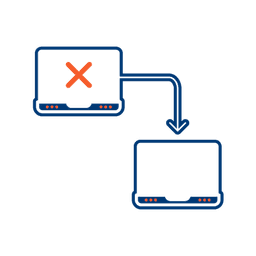
Integrated Failover to the next available channel
Where another channel in our omnichannel platform is unsuccessful in delivering a message, we can automatically fail over to email. Priority and fail over channels are configurable.

Detailed Reporting
Bidvest Data provides near-real-time and periodic aggregate batched reporting on consumer engagement, including link tracking, email delivery status, and customized reports on microsite access.
Ready to Transform Your EMAIL?
Get started today and see immediate results
Frequently Asked Questions
Get answers to common questions about EMAIL