
Customizable Email vs. Traditional Email Services: An In-Depth Guide for Enterprises
Explore the key differences between customizable and traditional email services. Learn how each fits the unique needs of South African enterprises in enhancing communication and operational efficiency.
In the fast-paced digital landscape, enterprises need email solutions that not only facilitate communication but also align with their business objectives, branding, and operational efficiencies. This guide dives deep into the key differences between customizable email services and traditional email services, exploring how each option fits into the unique needs of corporate and medium-sized businesses in South Africa.
Understanding Email Service Types
Email has remained a cornerstone of corporate communication for decades. As businesses evolve, so too do their needs for email functionality, leading to two primary options: customizable email services and traditional email services. Each has distinct features and benefits suited for varying operational demands.
Defining Traditional Email Services
Traditional email services, such as those provided by popular providers like Gmail or Outlook, offer a standardized approach to email communication. These platforms are generally straightforward, providing features like:
- Basic email functionalities (sending, receiving, and organizing emails)
- Standard security features (spam filters, virus protection)
- Collaboration tools (shared calendars, task assignments)
- Storage capacities defined by the provider
Exploring Customizable Email Services
Customizable email services, on the other hand, allow businesses to tailor their email software to meet their specific needs. This flexibility usually includes:
- Brand-specific domain and identity (yourname@yourcompany.com)
- Customization features (personalized templates, automated workflows)
- Advanced security protocols (encryption, compliance with regulations such as POPIA)
- Integration with existing enterprise software (CRM systems, project management tools)
Benefits of Customizable Email Solutions for Enterprises
For enterprise-level organizations, the choice between customizable and traditional email services extends far beyond aesthetics. The right solution can enhance productivity, brand consistency, and operational efficiency.
Branding and Identity
Customizable services allow entire teams to utilize a uniform brand identity in communications, helping strengthen customer trust.
Enhanced Flexibility
Customization options support varying functional requirements for different departments, whether it's sales tracking or customer support.
Cost Implications of Both Email Approaches
Financial decision-makers must also consider the cost differences associated with both email service types:
Cost Analysis
- Traditional Email Services: Generally lower upfront costs but may lack scalability.
- Customizable Email Services: Higher initial investment due to customization capabilities and setup but offer long-term savings through automation and efficiency gains.
Implementation Challenges and Considerations
When deciding between these options, IT decision-makers should also evaluate potential challenges:
- Transitioning data from one service to another can involve technical complexities.
- Customization requires skilled personnel to adapt and maintain the system.
- Compliance with data protection laws (e.g., POPIA) must be rigorously followed during implementation.
Making the Right Choice
Ultimately, the decision between customizable email and traditional email services should align with your organizational goals and communication needs. A thorough assessment of your requirements, user expectations, and regulatory compliance will drive you toward making an informed choice.
Summary of Key Considerations
- Analyzing the feature set against your business challenges
- Evaluating the total cost of ownership over time
- Assessing the level of customization your teams require for effective operations
- Ensuring alignment with POPIA and other compliance frameworks
Conclusion
Both customizable and traditional email services offer distinct advantages that can benefit enterprises differently. By understanding these differences, South African corporate stakeholders can select the right email solution that aligns with operational requirements, enhances communication efficiency, and fosters brand integrity.
Key Features Include
Discover our comprehensive solution features designed to transform your business communication experience
Managing your sending domains
We implement your designs, images and artwork for optimal delivery. We measure and manage spam ratings, and we monitor and manage blacklisting and reputation of sending domains.

Zero Rated Data
PDF documents, HTML content, videos and animations can be hosted on our Zero Rated Data domains. Reverse billing of data on these domains ensure access for end users to content at no cost. Bidvest Data offers this service on all South African and Namibian mobile networks.

Customizable
Bidvest Data offers custom-built, screen adaptive, HTML environments, enabling features like animation, rotating GIFs, and interactive buttons in the email body and built into the unique microsite.

Large File Batch and Near Real Time Singular Sending
Our service includes automated large file batch sending through sFTP data transfer. The data can selectively drive template messaging. Near real-time email sending is facilitated through our API, using templates or dynamic text.
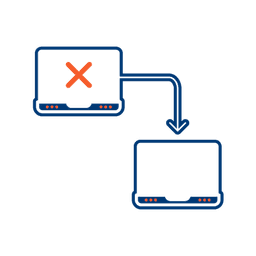
Integrated Failover to the next available channel
Where another channel in our omnichannel platform is unsuccessful in delivering a message, we can automatically fail over to email. Priority and fail over channels are configurable.

Detailed Reporting
Bidvest Data provides near-real-time and periodic aggregate batched reporting on consumer engagement, including link tracking, email delivery status, and customized reports on microsite access.
Ready to Transform Your EMAIL?
Get started today and see immediate results
Frequently Asked Questions
Get answers to common questions about EMAIL