
How to Configure SMS Delivery for Enterprise Success: A Detailed Guide
Explore the essential steps and best practices for configuring SMS delivery systems tailored to enterprise needs. Learn how to enhance customer engagement and comply with regulations.
In the age of instant communication, configuring SMS delivery effectively is essential for enterprises looking to enhance customer engagement, streamline operations, and ensure compliance. This comprehensive guide outlines the critical components and best practices for configuring SMS delivery systems tailored to the needs of medium and large businesses in South Africa.
Understanding the Importance of SMS Delivery Configuration
SMS delivery plays a pivotal role in business communications across industries, providing organizations with direct and immediate access to their customers or stakeholders. Whether it's transactional updates, marketing messages, or critical alerts, effective SMS delivery can significantly boost customer satisfaction and operational efficiency. Understanding how to configure these systems is crucial for ensuring high delivery rates, compliance with regulations, and optimal performance.
Key Benefits of Effective SMS Delivery Configuration
- Enhanced Customer Engagement: Efficient SMS delivery enables businesses to reach clients instantly, improving response times and customer interaction.
- Boosted Operational Efficiency: Automated SMS communications reduce the need for manual intervention, allowing staff to focus on more strategic activities.
- Increased Reach and Access: SMS services typically have higher open and response rates than traditional email communications, particularly in regions with limited internet access.
Step-by-Step Guide to Configure SMS Delivery
Step 1: Determine Your SMS Needs
Before diving into the technical aspects of configuration, assess your organization's SMS needs. Consider the types of messages you will send:
- Transactional messages (e.g., order confirmations, payment notifications)
- Promotional messages (e.g., sales alerts, product launches)
- Reminders and notifications (e.g., appointment reminders, system alerts)
Step 2: Choose the Right SMS Gateway
Select an SMS gateway that aligns with your operational requirements, budget constraints, and desired features. Factors to consider include:
Key Considerations for SMS Gateway Selection:
- Delivery Rates: Choose a provider known for reliable and high delivery rates.
- Pricing Structure: Evaluate cost models, whether pay-per-message or subscription-based.
- API Integration Capabilities: Ensure compatibility with your existing systems.
- Compliance and Security Standards: Verify that the provider complies with POPIA regulations and offers security features.
Step 3: Configure Your SMS Messages
Once you have selected an SMS gateway, the next step is to configure the actual SMS messages:
- Message Templates: Create standardized templates for different communication types, ensuring that they comply with branding and tone requirements.
- Personalization: Incorporate recipient-specific data to enhance engagement (e.g., name, specific offers).
- Compliance Checks: Ensure that all messages comply with regulatory requirements such as opt-in consent.
Step 4: Test Your Configuration
Before rolling out SMS delivery to your entire customer base, conduct extensive testing:
- Send test messages to a small, controlled group.
- Monitor delivery rates, engagement, and feedback.
- Refine based on results and make adjustments to templates and configurations as necessary.
Step 5: Implement Analytics and Monitoring
After successfully configuring SMS delivery, ensure that you implement robust analytics to track performance metrics:
- Delivery rate statistics.
- User engagement metrics (click-through rates, response rates).
- Conversion tracking.
Maintaining Compliance with POPIA
In South Africa, organizations must navigate the complexities of the Protection of Personal Information Act (POPIA) when configuring SMS delivery. Adhere to the following best practices:
Best Practices for POPIA Compliance
- Informed Consent: Obtain explicit consent from recipients before sending SMS communications.
- Data Protection Policies: Implement policies for data storage, processing, and sharing that comply with POPIA.
- Recipient Rights: Ensure recipients can easily opt-out of communications at any time.
Conclusion
Configuring SMS delivery systems demands careful planning, rigorous testing, and ongoing monitoring to ensure success. By following this guide, enterprises can establish effective SMS communication strategies that not only improve customer engagement but also ensure compliance with important regulatory frameworks, ultimately driving operational excellence.
Key Features Include
Discover our comprehensive solution features designed to transform your business communication experience

Personalized Microsites
Bidvest Data sends on average more than 10 million personalized SMS/SV SMS messages per month, with daily peaks exceeding 2 million messages. This comprises mainly of transactional notifications and hosted transactional data.
Secure and Trackable
The SMS channel delivers a secure, shortened personalized URL to the consumer, directing them to their unique microsite. All consumer activity can be tracked.

Zero Rated Data
PDF documents, HTML content, videos and animations can be hosted on our Zero Rated Data domains. Reverse billing of data on these domains ensure access for end users to content at no cost. Bidvest Data offers this service on all South African and Namibian mobile networks.

Customizable
Bidvest Data offers custom-built, screen adaptive, HTML environments, enabling features like animation, rotating GIFs, and interactive buttons.
Large File Batch and Near Real Time Singular Sending
Our service includes automated large file batch sending through sFTP data transfer. The data can selectively drive template messaging. Near real-time SMS sending is facilitated through our API, using templates or dynamic text.
Integrated Failover to the Next Available Channel
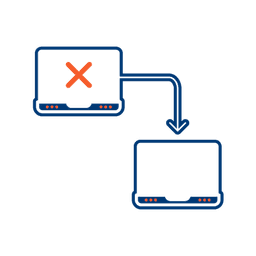
Where another channel in our omnichannel platform is unsuccessful in delivering a message, we can automatically fail over to SMS. Priority and fail over channels are configurable.

Detailed Reporting
Bidvest Data provides near-real-time and periodic aggregate batched reporting on consumer engagement, including link tracking, SMS and SV SMS delivery status, and customized reports on microsite access.
Ready to Transform Your Sms And Svsms?
Get started today and see immediate results
Frequently Asked Questions
Get answers to common questions about Sms And Svsms