
Understanding the Benefits of Managing Email Sending Domains for Enterprises
Discover the critical advantages of managing email sending domains including enhanced deliverability, brand reputation improvement, compliance adherence, and protection against phishing threats for South African enterprises.
In the world of enterprise communication, email remains a vital channel for interacting with clients, partners, and stakeholders. However, effective email communication requires more than just a reliable email service; managing email sending domains is crucial for safeguarding brand reputation, ensuring deliverability, and maintaining compliance with regulations. This comprehensive guide explores the myriad benefits of managing email sending domains specifically for medium to large enterprises operating within South Africa.
What Are Email Sending Domains?
An email sending domain is essentially the domain name used in the `From` address of an email. For instance, if a company’s website is example.com, their email addresses may appear as info@example.com or support@example.com. The management of these domains involves various practices, including domain authentication, monitoring, and proper DNS configurations.
Key Components of Managing Email Sending Domains
- Domain Authentication: Utilizing SPF, DKIM, and DMARC records to protect against phishing attacks and ensure message authenticity.
- Reputation Monitoring: Keeping track of domain reputation and monitoring how email service providers perceive outgoing emails.
- DNS Configuration: Ensuring the correct DNS settings to support email deliverability and domain verification.
Benefits of Managing Email Sending Domains
- Enhanced Deliverability: A well-managed email sending domain significantly increases the chances of your emails reaching the intended inbox rather than being filtered as spam. By setting up proper authentication mechanisms, enterprises can ensure that their emails comply with industry standards.
- Improved Brand Reputation: Utilizing a consistent and authenticated domain helps in maintaining a professional image in the eyes of clients and partners. This builds trust and credibility, essential for long-term business relationships.
- Protection Against Phishing: Proper management of email sending domains minimizes the risk of domain spoofing and phishing attacks against both your organization and your customers. Implementation of DKIM and DMARC records acts as a shield against unauthorized senders.
- Increased Open and Engagement Rates: Emails sent from authenticated domains are more likely to be opened. This is because clients recognize and trust communications from verified domains, leading to higher engagement levels.
- Regulatory Compliance: For enterprises in sectors like finance and healthcare, managing email sending domains is critical for meeting compliance standards such as the Protection of Personal Information Act (POPIA) in South Africa, ensuring that sensitive client information is securely transmitted.
Steps to Effectively Manage Your Email Sending Domains
To maximize the benefits outlined above, enterprises should adopt the following management strategies:
1. Conduct a Domain Audit
Assess your current email domains to identify any misconfigurations, unauthorized access, or lack of authentication practices.
2. Implement Email Authentication Protocols
Set up SPF, DKIM, and DMARC records to authenticate your emails and provide instructions to internet service providers on handling your emails.
3. Monitor Domain Reputation
Utilize tools that monitor your domain’s reputation to respond proactively to flag any concerns.
Conclusion: The Strategic Importance of Email Domain Management
In an age where digital communication is paramount, managing email sending domains is not merely an operational necessity but a strategic advantage for enterprises. Investments in robust domain management processes yield substantial returns through improved deliverability, enhanced brand reputation, and increased regulatory compliance. By implementing the suggested steps, South African enterprises can fully realize the potential of their email communications, ensuring they meet both customer expectations and regulatory requirements.
Key Features Include
Discover our comprehensive solution features designed to transform your business communication experience
Managing your sending domains
We implement your designs, images and artwork for optimal delivery. We measure and manage spam ratings, and we monitor and manage blacklisting and reputation of sending domains.

Zero Rated Data
PDF documents, HTML content, videos and animations can be hosted on our Zero Rated Data domains. Reverse billing of data on these domains ensure access for end users to content at no cost. Bidvest Data offers this service on all South African and Namibian mobile networks.

Customizable
Bidvest Data offers custom-built, screen adaptive, HTML environments, enabling features like animation, rotating GIFs, and interactive buttons in the email body and built into the unique microsite.

Large File Batch and Near Real Time Singular Sending
Our service includes automated large file batch sending through sFTP data transfer. The data can selectively drive template messaging. Near real-time email sending is facilitated through our API, using templates or dynamic text.
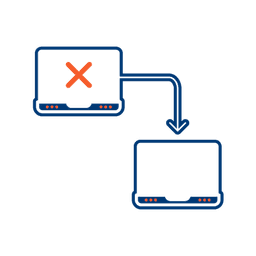
Integrated Failover to the next available channel
Where another channel in our omnichannel platform is unsuccessful in delivering a message, we can automatically fail over to email. Priority and fail over channels are configurable.

Detailed Reporting
Bidvest Data provides near-real-time and periodic aggregate batched reporting on consumer engagement, including link tracking, email delivery status, and customized reports on microsite access.
Ready to Transform Your EMAIL?
Get started today and see immediate results
Frequently Asked Questions
Get answers to common questions about EMAIL