
Troubleshooting SMS Template Issues: An Essential Guide for South African Enterprises
Explore the essential steps for troubleshooting SMS template issues with practical guidelines and best practices for South African enterprises. Ensure seamless communication with your customers through effective SMS templates.
Effective communication through SMS is vital for businesses across South Africa, particularly in sectors such as banking, healthcare, and logistics. However, issues with SMS templates can disrupt this vital flow, leading to miscommunication and operational delays. In this comprehensive guide, we explore common SMS template issues that enterprises may encounter and offer detailed troubleshooting steps to ensure seamless messaging operations.
Understanding SMS Template Issues
SMS templates are pre-defined formats used to send consistent messages to customers or stakeholders. Problems with these templates can arise from various factors, including system incompatibilities, incorrect formatting, or data handling errors.
Common Types of SMS Template Issues
- Formatting Errors: Incorrect alignment or special characters may lead to messages being displayed incorrectly.
- Dynamic Data Mismatches: Issues occur when the dynamic variables fail to pull the correct data from the database.
- Character Limitations: SMS messages have a strict character limit (typically 160 characters), and exceeding this can result in message truncation.
- Encoding Problems: Messages using non-standard characters may arrive garbled if proper encoding standards are not implemented.
Step-by-Step Troubleshooting Process
When issues arise with SMS templates, a systematic approach to troubleshooting can streamline the resolution process. Here’s a step-by-step guide:
- Review Template Structure: Ensure that your SMS template adheres to the prescribed structure. Double-check the header, body, and footer sections.
- Test with Sample Data: Use sample data to send test messages. This helps identify whether the issue lies within the data source or the template itself.
- Check Character Limit: Confirm that the message adheres to SMS character limits. Consider using concatenated messages for longer information.
- Validate Encoding: Ensure the correct encoding format (e.g., UTF-8) is used, particularly with special characters.
- Examine Error Logs: Review logs for any error messages that can provide clues regarding message failures, delivery issues, or SOAP errors.
Handling Dynamic Content in SMS Templates
Dynamic content poses unique challenges for SMS templates, particularly when integrating customer data. Follow these best practices to mitigate issues:
Best Practices for Dynamic Content
- Use Placeholders: Clearly define placeholders for dynamic fields. For example, instead of using “{{customerName}},” ensure proper formatting.
- Test Data Accuracy: Regularly verify that the dynamic data being fed into templates is accurate, up-to-date, and compliant with POPIA regulations.
- Fallback Options: Implement backup content for when dynamic data fails to populate, ensuring continuity in messaging and preventing confusion.
Leveraging Analytics for Continuous Improvement
To ensure optimal SMS template functionality, businesses should leverage analytics to continuously monitor performance. Analyze metrics such as delivery rates, open rates, and customer feedback to identify patterns and areas for improvement.
Key Performance Indicators to Track
- Delivery success rate for each template
- Engagement metrics, including responses and actions taken
- Rate of errors associated with specific templates
- Customer feedback on content clarity and relevance
Conclusion
Troubleshooting SMS template issues is a critical aspect of maintaining effective communication within South African enterprises. By following the steps outlined above and proactively monitoring performance, organizations can ensure their SMS messaging remains reliable, clear, and compliant. Embrace these strategies to optimize your SMS communications and enhance overall operational efficiency.
Key Features Include
Discover our comprehensive solution features designed to transform your business communication experience

Personalized Microsites
Bidvest Data sends on average more than 10 million personalized SMS/SV SMS messages per month, with daily peaks exceeding 2 million messages. This comprises mainly of transactional notifications and hosted transactional data.

Secure and Trackable
The SMS channel delivers a secure, shortened personalized URL to the consumer, directing them to their unique microsite. All consumer activity can be tracked.

Zero Rated Data
PDF documents, HTML content, videos and animations can be hosted on our Zero Rated Data domains. Reverse billing of data on these domains ensure access for end users to content at no cost. Bidvest Data offers this service on all South African and Namibian mobile networks.

Customizable
Bidvest Data offers custom-built, screen adaptive, HTML environments, enabling features like animation, rotating GIFs, and interactive buttons.

Large File Batch and Near Real Time Singular Sending
Our service includes automated large file batch sending through sFTP data transfer. The data can selectively drive template messaging. Near real-time SMS sending is facilitated through our API, using templates or dynamic text.
Integrated Failover to the Next Available Channel
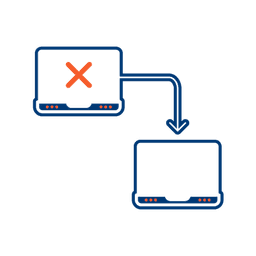
Where another channel in our omnichannel platform is unsuccessful in delivering a message, we can automatically fail over to SMS. Priority and fail over channels are configurable.

Detailed Reporting
Bidvest Data provides near-real-time and periodic aggregate batched reporting on consumer engagement, including link tracking, SMS and SV SMS delivery status, and customized reports on microsite access.
Ready to Transform Your Sms And Svsms?
Get started today and see immediate results
Frequently Asked Questions
Get answers to common questions about Sms And Svsms