
Troubleshooting SMS & SVSMS Delivery Issues: The Comprehensive Guide for Enterprises
Explore the common SMS and SVSMS delivery issues faced by enterprises and learn effective troubleshooting strategies to ensure reliable communication.
In the vast landscape of enterprise communication, SMS and SVSMS messaging serves as a vital tool for interactions with clients, stakeholders, and employees alike. However, delivery issues can arise, leading to significant disruptions in workflows and communication strategies. This guide aims to provide IT decision-makers and operational heads with an in-depth understanding of common SMS and SVSMS delivery issues and effective troubleshooting methods to ensure seamless communication.
Understanding SMS and SVSMS Messaging
SMS (Short Message Service) is an essential component of enterprise communication, allowing for quick and efficient messaging. SVSMS (Smart Variable Short Message Service) enhances SMS by providing personalized and contextual messaging capabilities. Understanding the mechanics behind these services helps in identifying why delivery issues may occur.
How SMS Delivery Works
When an SMS is sent, it travels from the sender’s device to the Short Message Service Center (SMSC), which then forwards it to the recipient's mobile network. The delivery process involves several checkpoints where issues may occur:
- Network Coverage: The recipient's mobile network coverage can hinder the delivery of SMS messages.
- Messaging Queue: SMSCs can get overloaded, leading to delays in message routing.
- Message Filtering: Some systems filter messages due to content or sender identification, potentially blocking legitimate messages.
Common SMS & SVSMS Delivery Issues
Understanding common issues can help enterprises proactively address potential disruptions. Here are frequently encountered problems:
1. Non-Delivery Reports (NDRs)
Non-delivery reports indicate that the message failed to reach its intended recipient. Common causes include:
- Incorrect or deactivated phone numbers.
- Recipient’s device is powered off.
- Network issues on the recipient’s end.
2. Delayed Messages
Delivery delays can affect time-sensitive communications. Causes often include:
- High traffic on the SMSC during peak times.
- Long message queues due to message prioritization.
- Network congestion.
3. Content Filtering
Inappropriate content filtering often leads to messages being blocked. Common reasons include:
- Use of restricted keywords or phrases.
- Sender ID issues (e.g., using short codes or unrecognized numbers).
- Recipient carrier settings that block promotional or automated messages.
Troubleshooting SMS & SVSMS Delivery Issues
Step 1: Check Delivery Reports
Utilize your messaging platform’s reporting features to analyze delivery status:
- Monitor NDRs for any patterns that may arise.
- Verify whether delays coincided with peak usage periods or specific content types.
Step 2: Validate Recipient Information
Ensure that:
- Phone numbers are correct and up-to-date.
- Recipients have opted in for communications to prevent being blocked.
Step 3: Assess Network-Specific Issues
Contact your SMS service provider to:
- Understand any network disruptions or maintenance activities.
- Confirm the configuration settings on their end.
Step 4: Review Message Content
Ensure that your message complies with SMS regulations and does not get flagged:
- Avoid prohibited terms or spammy language.
- Use recognized sender IDs that enhance trust with the recipient.
Best Practices to Minimize Delivery Issues
To reduce the occurrence of SMS and SVSMS delivery issues, enterprises should adopt the following best practices:
- Regularly Update Recipient Lists: Verify contact data periodically to ensure accuracy.
- Implement Opt-In Mechanisms: Ensure recipients consent to receive communications.
- Monitor Quality and Compliance: Regular checks on message content can prevent filtering issues.
- Engage with Service Providers: Develop a strong relationship with your SMS service provider for consistent support. support.
Conclusion
Troubleshooting SMS and SVSMS delivery issues is crucial for enterprise success in today’s competitive landscape. By understanding the common challenges and following a structured approach to identify and resolve these issues, organizations can ensure uninterrupted communication, enhancing operational efficiency and customer engagement.
Key Features Include
Discover our comprehensive solution features designed to transform your business communication experience

Personalized Microsites
Bidvest Data sends on average more than 10 million personalized SMS/SV SMS messages per month, with daily peaks exceeding 2 million messages. This comprises mainly of transactional notifications and hosted transactional data.
Secure and Trackable
The SMS channel delivers a secure, shortened personalized URL to the consumer, directing them to their unique microsite. All consumer activity can be tracked.

Zero Rated Data
PDF documents, HTML content, videos and animations can be hosted on our Zero Rated Data domains. Reverse billing of data on these domains ensure access for end users to content at no cost. Bidvest Data offers this service on all South African and Namibian mobile networks.

Customizable
Bidvest Data offers custom-built, screen adaptive, HTML environments, enabling features like animation, rotating GIFs, and interactive buttons.

Large File Batch and Near Real Time Singular Sending
Our service includes automated large file batch sending through sFTP data transfer. The data can selectively drive template messaging. Near real-time SMS sending is facilitated through our API, using templates or dynamic text.
Integrated Failover to the Next Available Channel
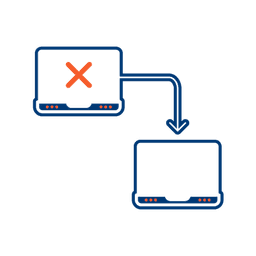
Where another channel in our omnichannel platform is unsuccessful in delivering a message, we can automatically fail over to SMS. Priority and fail over channels are configurable.

Detailed Reporting
Bidvest Data provides near-real-time and periodic aggregate batched reporting on consumer engagement, including link tracking, SMS and SV SMS delivery status, and customized reports on microsite access.
Ready to Transform Your Sms And Svsms?
Get started today and see immediate results
Frequently Asked Questions
Get answers to common questions about Sms And Svsms