
Troubleshooting Failover in SMS & SVSMS Services: A Comprehensive Guide for Enterprises
Discover effective strategies for troubleshooting failover issues in SMS and SVSMS services. Ensure consistent enterprise communication with our expert guide.
In the digital age, maintaining uninterrupted communication is crucial for enterprise operations. SMS and SVSMS services offer reliable solutions for real-time messaging, yet failover scenarios can challenge even the most robust systems. This guide delves into troubleshooting failover in SMS and SVSMS services, designed specifically for IT decision-makers and operational heads looking to ensure stability and reliability in their communication frameworks.
Understanding SMS and SVSMS Services
SMS (Short Message Service) and SVSMS (Secure Virtual Short Message Service) are essential tools for businesses engaged in transactional communication, marketing outreach, and customer service. These services facilitate quick, direct messaging to clients, stakeholders, and internal teams.
Critical Role of Failover Mechanisms
Failover mechanisms play a vital role in ensuring that messages are delivered consistently, even in the face of network disruptions or service outages. By implementing robust failover strategies, enterprises can minimize communication latency, enhance customer experiences, and maintain operational continuity.
Common Failover Scenarios and Their Causes
- Network Failures: Interruptions due to signal loss, hardware failure, or routing errors can lead to service downtime.
- Message Overloads: High message traffic rates can overwhelm service capacity, causing delays in delivery or message loss.
- Service Provider Issues: Outages from SMS gateway providers or service misconfigurations can hinder message delivery.
- Integration Problems: Failing APIs or misconfigured integrations with customer relationship management (CRM) systems can lead to inconsistencies in message sending.
Steps to Troubleshoot Failover Issues
- Diagnose the Issue: Identify whether the problem is stemming from network issues, server malfunctions, or the messaging service itself.
- Monitor System Performance: Utilize monitoring tools to assess real-time performance metrics, such as message queue lengths and error rates.
- Review Logs: Check logs for error messages or unsuccessful delivery attempts that provide clues about potential failover triggers.
- Test Network Connections: Confirm that connection pathways to your SMS gateway and between external systems are functional and free of blockages.
- Validate Configurations: Ensure that configuration settings for both SMS providers and internal systems are accurate and up to date.
- Implement Redundancies: Designate backup systems or additional service providers as contingency plans to mitigate future issues.
Best Practices for Preventing Future Failures
Proactive Strategies for SMS and SVSMS Resilience
- Regular System Audits: Conduct comprehensive system checks to identify potential vulnerabilities before they result in failure.
- Load Testing: Engage in regular testing to evaluate system performance under high-stress scenarios and adjust capacity accordingly.
- Updates and Maintenance: Ensure all software and hardware components are regularly updated and maintained to minimize vulnerability to failures.
- Training Staff: Equip internal teams with the knowledge to troubleshoot common issues quickly and efficiently.
Conclusion: Ensuring Uninterrupted SMS and SVSMS Communication
Effective troubleshooting and proactive measures are essential in safeguarding SMS and SVSMS services from failures. By understanding the mechanics behind these services, recognizing common issues, and employing best practices, enterprises can enhance their communication resilience. Protect your organization from potential disruptions by prioritizing the implementation of a robust messaging infrastructure that prioritizes continuity in every business scenario.
Key Features Include
Discover our comprehensive solution features designed to transform your business communication experience

Personalized Microsites
Bidvest Data sends on average more than 10 million personalized SMS/SV SMS messages per month, with daily peaks exceeding 2 million messages. This comprises mainly of transactional notifications and hosted transactional data.
Secure and Trackable
The SMS channel delivers a secure, shortened personalized URL to the consumer, directing them to their unique microsite. All consumer activity can be tracked.

Zero Rated Data
PDF documents, HTML content, videos and animations can be hosted on our Zero Rated Data domains. Reverse billing of data on these domains ensure access for end users to content at no cost. Bidvest Data offers this service on all South African and Namibian mobile networks.

Customizable
Bidvest Data offers custom-built, screen adaptive, HTML environments, enabling features like animation, rotating GIFs, and interactive buttons.

Large File Batch and Near Real Time Singular Sending
Our service includes automated large file batch sending through sFTP data transfer. The data can selectively drive template messaging. Near real-time SMS sending is facilitated through our API, using templates or dynamic text.
Integrated Failover to the Next Available Channel
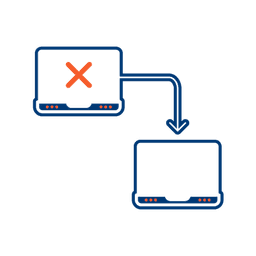
Where another channel in our omnichannel platform is unsuccessful in delivering a message, we can automatically fail over to SMS. Priority and fail over channels are configurable.

Detailed Reporting
Bidvest Data provides near-real-time and periodic aggregate batched reporting on consumer engagement, including link tracking, SMS and SV SMS delivery status, and customized reports on microsite access.
Ready to Transform Your Sms And Svsms?
Get started today and see immediate results
Frequently Asked Questions
Get answers to common questions about Sms And Svsms