
Troubleshooting Email Reporting Issues: The Complete Guide for South African Enterprises
Learn how to identify and resolve common email reporting issues in your enterprise. Follow a step-by-step troubleshooting guide designed to enhance email communication efficiency.
Email communication remains integral to modern enterprise operations, especially in sectors like finance, healthcare, and government. However, issues with email reporting can disrupt business processes, hinder compliance, and affect operational efficiency. In this comprehensive guide, we will delve into common email reporting problems faced by enterprises, strategies for effective troubleshooting, and best practices to ensure smooth email communication in your organization.
Understanding Email Reporting Issues
Email reporting issues can manifest in various forms, often resulting in incomplete data transmission, compromised reporting accuracy, or security vulnerabilities. Recognizing these issues early is crucial for IT decision-makers and compliance officers responsible for maintaining robust email systems.
Common Email Reporting Challenges
- Delivery Failures: Emails not reaching intended recipients can result from incorrect addresses, server issues, or poor internet connectivity.
- Spam Filters: Legitimate email communications may be misclassified as spam, denying recipients the information they need.
- Formatting Issues: Incorrectly rendered content or broken links can lead to misunderstanding and miscommunication.
- Data Loss: During transmission, email content may be lost or corrupted, affecting reporting integrity.
- Authentication Failures: Issues with SPF, DKIM, or DMARC settings can prevent emails from being verified and received properly.
Step-by-Step Troubleshooting Guide
Resolving email reporting issues requires a systematic approach. Below is a structured troubleshooting guide that IT teams can follow:
1. Verify Email Delivery
- Check email logs for delivery reports and errors.
- Confirm that recipient email addresses are accurate and active.
- Utilize email test tools to simulate the sending process and identify issues.
2. Investigate Spam Filtering
- Check spam folders of intended recipients.
- Review email content and ensure compliance with best practices to avoid spam flags.
- Consider whitelisting your email domain with major email providers.
3. Assess Formatting and Rendering
- Test emails on different devices and email clients to check formatting.
- Ensure that images and links are correctly inserted and functional.
- Employ HTML validation tools to catch any code errors that may affect rendering.
4. Review Security Settings
- Examine SPF, DKIM, and DMARC records for accuracy.
- Ensure that your email server's security protocols align with industry standards.
- Conduct regular security audits to identify any vulnerabilities.
Best Practices for Effective Email Reporting
Constant oversight and proactive measures can mitigate email reporting issues significantly. Here are key best practices for South African enterprises:
Key Best Practices
- Regularly update and maintain email security settings.
- Conduct periodic training for employees on email best practices, including phishing awareness.
- Set clear policies for email usage and reporting protocols within the organization.
- Utilize reliable and scalable email services that cater to enterprise needs, especially those compliant with South African regulations.
Conclusion: Elevating Email Reporting Efficiency
Handling email reporting issues swiftly and effectively not only ensures operational efficiency but also fortifies your organization’s communication framework. By understanding common challenges and employing a structured troubleshooting approach, enterprise decision-makers can maintain the integrity and reliability of their email systems, ultimately enhancing overall business productivity.
Key Features Include
Discover our comprehensive solution features designed to transform your business communication experience
Managing your sending domains
We implement your designs, images and artwork for optimal delivery. We measure and manage spam ratings, and we monitor and manage blacklisting and reputation of sending domains.

Zero Rated Data
PDF documents, HTML content, videos and animations can be hosted on our Zero Rated Data domains. Reverse billing of data on these domains ensure access for end users to content at no cost. Bidvest Data offers this service on all South African and Namibian mobile networks.

Customizable
Bidvest Data offers custom-built, screen adaptive, HTML environments, enabling features like animation, rotating GIFs, and interactive buttons in the email body and built into the unique microsite.

Large File Batch and Near Real Time Singular Sending
Our service includes automated large file batch sending through sFTP data transfer. The data can selectively drive template messaging. Near real-time email sending is facilitated through our API, using templates or dynamic text.
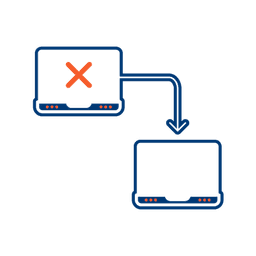
Integrated Failover to the next available channel
Where another channel in our omnichannel platform is unsuccessful in delivering a message, we can automatically fail over to email. Priority and fail over channels are configurable.

Detailed Reporting
Bidvest Data provides near-real-time and periodic aggregate batched reporting on consumer engagement, including link tracking, email delivery status, and customized reports on microsite access.
Ready to Transform Your EMAIL?
Get started today and see immediate results
Frequently Asked Questions
Get answers to common questions about EMAIL