
Testing SMS Functionality: A Comprehensive Guide for South African Enterprises
Discover essential strategies and best practices for testing SMS functionality in South African enterprises. Enhance customer engagement and operational reliability with this comprehensive guide.
In the realm of business communication, SMS functionality stands as a crucial component, especially for enterprises looking to engage their customers effectively. This detailed guide aims to elucidate the importance of testing SMS functionality, the tools available for this purpose, and practical steps that IT decision-makers can undertake to ensure optimal performance and reliability. Whether in healthcare, logistics, or financial services, understanding the nuances of SMS functionality testing is essential for maintaining seamless communication channels.
Why Testing SMS Functionality is Vital for Enterprises
SMS remains one of the most effective tools in enterprise communication. It is reliable, immediate, and widely accepted across demographics. However, to truly leverage SMS technology, enterprises must ensure that functionality is rigorously tested. Key reasons include:
- Enhancing Customer Engagement: Regularly testing SMS functionality ensures timely delivery of messages, such as alerts, promotions, and notifications.
- Ensuring Compliance: Adhering to regulations like POPIA requires regular checks to confirm that smartphone users consent to receive SMS communications.
- Avoiding Business Disruption: System failures can result in lost communication. Testing helps identify and resolve issues before they impact operations.
Key Benefits of SMS Functionality Testing
Proper testing can lead to measurable improvements in operational efficiency and customer satisfaction:
- Improved Delivery Rates: Testing can identify bottlenecks or issues preventing message delivery.
- Optimal User Experience: Accurate SMS functionality ensures that recipients receive messages in their intended format and timing.
- Cost Savings: By preventing errors that lead to undelivered or misdirected messages, organizations can realize significant cost savings.
Methods for Testing SMS Functionality
Choosing the right methods for testing SMS functionality is paramount. Below, we outline several effective strategies that enterprise IT teams can adopt:
1. Manual Testing
This involves sending test messages manually to various recipient numbers. Check for:
- Correct message content
- Timeliness of message delivery
- Correct formatting and links, if applicable
2. Automated Testing Tools
Utilize automated tools to simulate message sending and monitor delivery status. Advantages include:
- Extended test scenarios
- Time efficiencies
- Scalability of testing
3. Third-Party SMS Providers
Collaborate with your SMS gateway provider to perform functionality tests. They often have their own testing protocols which can uncover issues in the overall delivery ecosystem.
Best Practices for Testing SMS Functionality
Implement these best practices to ensure your SMS functionality is robust:
- Create a Comprehensive Test Plan: Outline what needs to be tested, the testing frequency, and responsible personnel.
- Include Real-world Scenarios: Test messages under various conditions to confirm system performance under load.
- Document Test Results: Record the outcomes of each test to help identify recurring issues and inform future testing efforts.
Performance Metrics to Monitor
To gauge the effectiveness of your SMS functionality, regularly review the following metrics:
- Delivery Success Rates
- Response Rates to SMS Campaigns
- Customer Feedback on SMS Correspondence
Concluding Thoughts
Testing SMS functionality is an essential activity for any enterprise aiming to maintain effective communication. In a digital-first landscape, investing in the quality and dependability of SMS services can enhance customer engagement, sustain compliance, and prevent operational disruptions. Enterprises that prioritize rigorous SMS testing will find themselves better positioned to meet customer expectations and embrace future communication technologies.
Key Features Include
Discover our comprehensive solution features designed to transform your business communication experience

Personalized Microsites
Bidvest Data sends on average more than 10 million personalized SMS/SV SMS messages per month, with daily peaks exceeding 2 million messages. This comprises mainly of transactional notifications and hosted transactional data.

Secure and Trackable
The SMS channel delivers a secure, shortened personalized URL to the consumer, directing them to their unique microsite. All consumer activity can be tracked.

Zero Rated Data
PDF documents, HTML content, videos and animations can be hosted on our Zero Rated Data domains. Reverse billing of data on these domains ensure access for end users to content at no cost. Bidvest Data offers this service on all South African and Namibian mobile networks.

Customizable
Bidvest Data offers custom-built, screen adaptive, HTML environments, enabling features like animation, rotating GIFs, and interactive buttons.

Large File Batch and Near Real Time Singular Sending
Our service includes automated large file batch sending through sFTP data transfer. The data can selectively drive template messaging. Near real-time SMS sending is facilitated through our API, using templates or dynamic text.
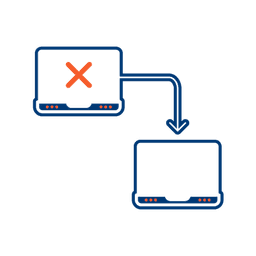
Integrated Failover to the Next Available Channel
Where another channel in our omnichannel platform is unsuccessful in delivering a message, we can automatically fail over to SMS. Priority and fail over channels are configurable.

Detailed Reporting
Bidvest Data provides near-real-time and periodic aggregate batched reporting on consumer engagement, including link tracking, SMS and SV SMS delivery status, and customized reports on microsite access.
Ready to Transform Your Sms And Svsms?
Get started today and see immediate results
Frequently Asked Questions
Get answers to common questions about Sms And Svsms