
Understanding Spam Rating Reduction for Businesses: Key Strategies and Insights
Explore effective strategies for reducing spam ratings in business communications. Discover insights on optimizing content, improving sender reputation, and enhancing email deliverability.
In an increasingly digital world, managing the effectiveness of communication strategies is crucial for businesses to maintain engagement with their clients while ensuring compliance with regulations. One key aspect of effective communication is understanding and reducing spam ratings associated with emails and messages sent from your organization. In this comprehensive guide, we will delve into the mechanisms behind spam ratings, how they impact business communications, and actionable strategies for reducing those ratings effectively.
What is Spam Rating and Why Does It Matter?
Spam ratings are metrics used by email service providers and messaging platforms to assess the likelihood that a particular message will be classified as spam. High spam ratings can result in email messages being redirected to spam folders, reduced open rates, and impaired engagement with your audience, negatively affecting credibility and business relationships.
Key Factors Influencing Spam Ratings
- Content Quality: Poorly structured or overly promotional content can trigger spam filters.
- Sender Reputation: Addresses with a history of high bounce rates or complaints will naturally incur higher spam ratings.
- Recipient Engagement: Low open and click-through rates signal to providers that recipients find the content uninteresting.
- Technical Authenticity: Proper configuration of SPF, DKIM, and DMARC protocols are essential to authenticate email messages effectively.
Strategies for Reducing Spam Ratings
To ensure your communications reach your intended audience, here are detailed strategies aimed at reducing spam ratings:
1. Optimize Your Content
Produce high-quality, relevant content that resonates with your audience. Avoid using spammy phrases, excessive exclamation marks, and deceptive subject lines that could trigger spam filters. Focus on delivering value with each message.
2. Build a Clean Email List
Begin with a clean list of contacts who have opted in to receive your communication. Regularly clean your list by removing inactive subscribers, which helps improve engagement rates and protects your sender reputation.
3. Strengthen Sender Authentication
Implement SPF (Sender Policy Framework), DKIM (DomainKeys Identified Mail), and DMARC (Domain-based Message Authentication, Reporting & Conformance) to validate your sending domain. These protocols help reduce vulnerabilities and improve deliverability.
4. Monitor Engagement Metrics
Analyze key metrics such as open rates, click rates, unsubscribe rates, and bounce rates. Adjust your campaigns based on performance data to enhance content relevance and engagement.
5. Leverage Email Testing Tools
Utilize email testing tools to preview your emails across various inboxes and check spam scores before sending. This will give insights into how spam filters perceive your messages.
Statistical Insights on the Impact of Spam Ratings
Effectively managing spam ratings can yield significant enhancements in communication outcomes:
- Businesses that optimize email content can see up to a 30% increase in open rates.
- Maintaining a clean email list can reduce bounce rates by as much as 50%.
- Implementing authentication protocols commonly leads to a 15% boost in email deliverability.
- Average engagement rates improve by up to 25% when employing targeted, consent-based communications.
Conclusion
Understanding and actively managing spam ratings is vital for businesses to enhance their communication strategies and maintain strong relationships with clients. By employing the strategies outlined above, organizations can reduce spam ratings, improve deliverability, and ultimately drive better engagement with their target audiences.
Key Features Include
Discover our comprehensive solution features designed to transform your business communication experience
Managing your sending domains
We implement your designs, images and artwork for optimal delivery. We measure and manage spam ratings, and we monitor and manage blacklisting and reputation of sending domains.

Zero Rated Data
PDF documents, HTML content, videos and animations can be hosted on our Zero Rated Data domains. Reverse billing of data on these domains ensure access for end users to content at no cost. Bidvest Data offers this service on all South African and Namibian mobile networks.
Customizable
Bidvest Data offers custom-built, screen adaptive, HTML environments, enabling features like animation, rotating GIFs, and interactive buttons in the email body and built into the unique microsite.
Large File Batch and Near Real Time Singular Sending
Our service includes automated large file batch sending through sFTP data transfer. The data can selectively drive template messaging. Near real-time email sending is facilitated through our API, using templates or dynamic text.
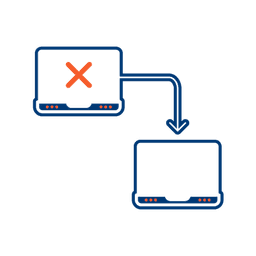
Integrated Failover to the next available channel
Where another channel in our omnichannel platform is unsuccessful in delivering a message, we can automatically fail over to email. Priority and fail over channels are configurable.
Detailed Reporting
Bidvest Data provides near-real-time and periodic aggregate batched reporting on consumer engagement, including link tracking, email delivery status, and customized reports on microsite access.
Ready to Transform Your EMAIL?
Get started today and see immediate results
Frequently Asked Questions
Get answers to common questions about EMAIL