
Effective Strategies for Spam Rating Reduction in Enterprise Communications
Discover effective strategies for reducing spam ratings in enterprise communications. Explore best practices for content optimization, authentication, and ongoing monitoring to ensure deliverability.
Spam rating is a critical concern for enterprises across South Africa, especially in the context of email and messaging communications. High spam ratings can adversely affect deliverability, impacting critical business communications and customer engagement. In this comprehensive guide, we explore effective strategies for reducing spam ratings and ensuring that your enterprise communications reach their intended audiences.
Understanding Spam Ratings in Enterprise Context
Spam ratings are determined by various factors, including the content of messages, sender reputation, and authentication protocols. For IT decision-makers and compliance officers, it is essential to grasp how spam filters work and the metrics they utilize to classify messages as spam. By understanding these metrics, enterprises can proactively implement strategies to minimize spam ratings.
Key Factors Influencing Spam Ratings
- Email Content: The phrasing, links, and attachments within messages can trigger spam filters.
- Sender Reputation: The history of your sending domain and IP address can greatly influence spam ratings.
- Authentication Protocols: Implementing SPF, DKIM, and DMARC helps to validate your sending domain.
- Engagement Metrics: Low open and click rates can signal spam indicators to filtering systems.
Best Practices for Reducing Spam Ratings
To mitigate spam ratings, enterprises must adopt a multifaceted approach encompassing policy, technology, and ongoing monitoring. Below are several best practices tailored for South African businesses operating in regulated environments.
Implementing Technical Safeguards
- Strengthen Authentication: Set up SPF, DKIM, and DMARC for your domain to improve sender authenticity and visibility.
- Monitor IP Reputation: Regularly check your sending IP address reputation through tools like Sender Score.
- Utilize Dedicated IPs: Consider using dedicated IP addresses for high-volume email sends to enhance sender reputation management.
Content Optimization Strategies
Creating engaging and compliant content is paramount for reducing spam ratings. Ensuring content quality while adhering to regulatory standards helps in maintaining low spam flags.
- Use clear and relevant subject lines that accurately reflect the message contents.
- Avoid excessive use of promotional language or all caps, which are common spam triggers.
- Embed links judiciously; only use trustworthy URLs and avoid link shorteners.
Regular Monitoring and Adjustment
Continuous evaluation of email performance metrics is essential. Track engagement rates, bounce rates, and spam complaints to adjust strategies accordingly.
Recommended Monitoring Tools
- Google Postmaster Tools for monitoring domain reputation.
- Mail-tester.com for evaluating individual emails' spam scores.
- Campaign Monitor for tracking campaign-specific performance metrics.
Conclusion: Building a Spam-Resilient Enterprise Communication Strategy
Effective spam rating reduction is essential for enhancing the deliverability of critical communications in South African enterprises. By implementing the strategies outlined in this post, organizations can minimize their spam ratings and ensure that vital messages reach intended recipients without obstruction. Prioritizing user engagement, adopting technological safeguards, and maintaining constant monitoring will lead to transformative improvements in communication success rates.
Key Features Include
Discover our comprehensive solution features designed to transform your business communication experience
Managing your sending domains
We implement your designs, images and artwork for optimal delivery. We measure and manage spam ratings, and we monitor and manage blacklisting and reputation of sending domains.

Zero Rated Data
PDF documents, HTML content, videos and animations can be hosted on our Zero Rated Data domains. Reverse billing of data on these domains ensure access for end users to content at no cost. Bidvest Data offers this service on all South African and Namibian mobile networks.

Customizable
Bidvest Data offers custom-built, screen adaptive, HTML environments, enabling features like animation, rotating GIFs, and interactive buttons in the email body and built into the unique microsite.

Large File Batch and Near Real Time Singular Sending
Our service includes automated large file batch sending through sFTP data transfer. The data can selectively drive template messaging. Near real-time email sending is facilitated through our API, using templates or dynamic text.
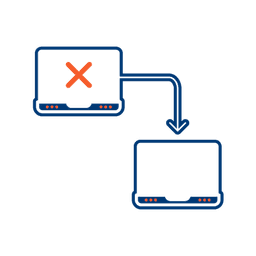
Integrated Failover to the next available channel
Where another channel in our omnichannel platform is unsuccessful in delivering a message, we can automatically fail over to email. Priority and fail over channels are configurable.

Detailed Reporting
Bidvest Data provides near-real-time and periodic aggregate batched reporting on consumer engagement, including link tracking, email delivery status, and customized reports on microsite access.
Ready to Transform Your EMAIL?
Get started today and see immediate results
Frequently Asked Questions
Get answers to common questions about EMAIL