
Essential SMS Reporting Troubleshooting Tips for South African Enterprises
Discover essential troubleshooting tips for SMS reporting challenges faced by enterprises in South Africa. Learn to improve message delivery, performance metrics, and compliance.
SMS communication remains a vital channel for enterprises across various sectors in South Africa. However, issues can arise involving message delivery, receipt confirmation, and usage statistics. This comprehensive guide outlines essential troubleshooting tips for SMS reporting, ensuring that IT teams and communication managers can effectively resolve common challenges and improve overall SMS performance.
Understanding the Importance of SMS Reporting
SMS reporting is crucial for businesses that rely on mobile communication for customer engagement, transactional updates, and operational notifications. Accurate reporting helps organizations:
- Monitor Delivery Success Rates: Understanding how many messages are received versus sent aids in assessing the reliability of your messaging platform.
- Improve Customer Engagement: Analyzing response rates and metrics allows businesses to optimize messaging strategies for better performance.
- Ensure Compliance: Accurate logging and reporting are critical for adhering to regulations, including POPIA, particularly in sectors involving sensitive information.
Common SMS Reporting Issues
Identifying patterns in reporting issues is essential for effective troubleshooting. Some of the most common SMS reporting challenges include:
- Delivery Failures: Messages not being delivered due to network issues or incorrect phone numbers.
- Incorrect Billing: Discrepancies between the billed messages and actual messages sent due to reporting errors.
- Latency in Message Reception: Delays in message delivery causing customer dissatisfaction.
- Missing Reports: Absence of detailed reports that complicate analytics and decision-making processes.
Step-by-Step Troubleshooting Guide
1. Verify Message Status
Check the message status in your SMS platform. Ensure that messages are marked as 'delivered'. If not, investigate further:
- Assess the destination number for correctness.
- Examine the network status for outages.
- Look for any campaign-specific delivery constraints.
2. Check API Integration
Ensure that your SMS API is correctly integrated into your applications:
- Confirm that API keys are configured properly.
- Look for any correct endpoint changes.
- Run a developer's test to verify that the API is returning expected responses.
3. Analyze Reports for Patterns
Often, tracking down issues requires a detailed examination of reporting data:
- Look for patterns in delivery failures associated with specific numbers or campaigns.
- Identify unusual spikes in failed deliveries, which could indicate larger network issues.
- Utilize comparative metrics against past campaigns to contextualize current performance.
4. Collaborate with Telecom Providers
If issues persist, reach out to your SMS service provider for support:
- Discuss recurring problems and seek further technical insights.
- Request an investigation into your delivery patterns.
- Engage with technical support to diagnose and resolve advanced issues.
Best Practices for SMS Reporting
To prevent reporting issues in the first place, adherent to these best practices:
- Regular System Audits: Periodically review API integrations and reporting setups.
- Comprehensive Documentation: Maintain updated API documentation for reference.
- Robust Testing Protocols: Implement testing phases before launching SMS campaigns to ensure resources are deployed without errors.
Conclusion
By implementing these troubleshooting tips and adopting best practices, South African enterprises can ensure their SMS communication remains effective, reliable, and conducive to achieving strategic communication goals. Ongoing training and awareness of common issues will empower teams to detected potential challenges proactively, securing a flux of effective communications in their operations.
Key Features Include
Discover our comprehensive solution features designed to transform your business communication experience

Personalized Microsites
Bidvest Data sends on average more than 10 million personalized SMS/SV SMS messages per month, with daily peaks exceeding 2 million messages. This comprises mainly of transactional notifications and hosted transactional data.

Secure and Trackable
The SMS channel delivers a secure, shortened personalized URL to the consumer, directing them to their unique microsite. All consumer activity can be tracked.

Zero Rated Data
PDF documents, HTML content, videos and animations can be hosted on our Zero Rated Data domains. Reverse billing of data on these domains ensure access for end users to content at no cost. Bidvest Data offers this service on all South African and Namibian mobile networks.

Customizable
Bidvest Data offers custom-built, screen adaptive, HTML environments, enabling features like animation, rotating GIFs, and interactive buttons.

Large File Batch and Near Real Time Singular Sending
Our service includes automated large file batch sending through sFTP data transfer. The data can selectively drive template messaging. Near real-time SMS sending is facilitated through our API, using templates or dynamic text.
Integrated Failover to the Next Available Channel
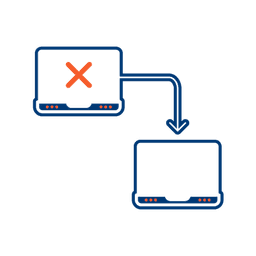
Where another channel in our omnichannel platform is unsuccessful in delivering a message, we can automatically fail over to SMS. Priority and fail over channels are configurable.

Detailed Reporting
Bidvest Data provides near-real-time and periodic aggregate batched reporting on consumer engagement, including link tracking, SMS and SV SMS delivery status, and customized reports on microsite access.
Ready to Transform Your Sms And Svsms?
Get started today and see immediate results
Frequently Asked Questions
Get answers to common questions about Sms And Svsms