
Setup Guide for Email Sending Domains: A Comprehensive Guide for South African Enterprises
Learn how to set up your email sending domain effectively. This guide ensures that your enterprise communication is secure, trustworthy, and compliant with POPIA regulations.
Establishing a secure and efficient email sending domain is crucial for enterprises in South Africa looking to enhance their email communication capabilities. This comprehensive setup guide will walk you through the essential steps to configure your email sending domain correctly, ensuring high deliverability, brand protection, and compliance with regulations such as POPIA. We'll provide actionable insights and relevant examples specific to enterprise needs.
Understanding Email Sending Domains
An email sending domain refers to the domain name from which your emails are sent. It plays a vital role in establishing your company's identity while also influencing email deliverability and user trust. An effectively configured sending domain can improve your email open rates and enhance brand recognition, ultimately leading to better engagement with your audience.
Why Setting Up Your Own Email Domain is Important
Key Benefits of Using a Dedicated Email Sending Domain
- Increased Deliverability: Custom domains are less likely to land in spam folders, enhancing the likelihood that your messages reach the intended recipients.
- Brand Consistency: Using your own domain for email communication helps maintain brand visibility and recognition.
- Enhanced Security: Implementing security measures such as SPF, DKIM, and DMARC protects against email spoofing and phishing attacks.
- Compliance Assurance: Having control over your sending domain ensures better adherence to regulations like POPIA, crucial for South African businesses handling sensitive data.
Step-by-Step Guide to Setting Up Your Email Sending Domain
Step 1: Choose the Right Domain Name
Selecting the right domain name is essential. It should be recognizable and closely tied to your business. Common practices recommend using a variation of your company name or something related to the specific services you offer.
Step 2: Configure Domain Settings
Once you have your domain name, follow these steps:
Configure DNS Records
- SPF Record: This tells other mail servers that your domain is authorized to send emails. Include the SPF record in your DNS settings.
- DKIM Signature: This adds a digital signature to your emails, helping secure them and proving they are from your organization. Generate your DKIM key and add it to your DNS.
- DMARC Policy: Set up a DMARC record to specify how receiving servers should handle emails that fail SPF and DKIM checks. This protects your domain from spoofing.
Step 3: Validate Domain Ownership
Verification is essential for avoiding issues with email deliverability. Provide the necessary proofs, such as adding a TXT record to your DNS or uploading an HTML file to your domain’s root directory, depending on your email service provider's requirements.
Step 4: Test Your Email Sending
Before fully implementing your new email domain, conduct thorough testing:
Testing Checklist
- Send test emails to various email platforms (Gmail, Yahoo, Outlook) to check deliverability.
- Use online tools to verify your SPF, DKIM, and DMARC configurations.
- Monitor email headers to ensure configurations are working correctly.
Compliance Considerations for South African Businesses
Understanding regulatory compliance, particularly with POPIA, is crucial for businesses in South Africa. Configure your email settings to ensure permission-based marketing efforts and maintain transparent communication practices:
Key Compliance Steps
- Get Explicit Consent: Always obtain permission from recipients before sending marketing communications.
- Provide Clear Opt-out Options: Ensure each email contains an easy way for recipients to unsubscribe.
- Data Management: Keep customer data secure and handle it according to POPIA guidelines.
Monitoring and Enhancing Email Performance
Once your email sending domain is set up and operational, continuously monitor performance metrics to evaluate the effectiveness of your email campaigns:
Key Performance Indicators (KPIs)
- Email open rates
- Click-through rates
- Bounce rates
- Unsubscribe rates
Conclusion
Setting up your email sending domain correctly is an integral part of enhancing your organization's communication strategy. By following the steps outlined in this guide, South African enterprises can ensure that their email communications are not only effective but also secure and compliant. Implement best practices, monitor performance, and adapt to changing needs to maximize your email outreach efforts.
Key Features Include
Discover our comprehensive solution features designed to transform your business communication experience
Managing your sending domains
We implement your designs, images and artwork for optimal delivery. We measure and manage spam ratings, and we monitor and manage blacklisting and reputation of sending domains.

Zero Rated Data
PDF documents, HTML content, videos and animations can be hosted on our Zero Rated Data domains. Reverse billing of data on these domains ensure access for end users to content at no cost. Bidvest Data offers this service on all South African and Namibian mobile networks.

Customizable
Bidvest Data offers custom-built, screen adaptive, HTML environments, enabling features like animation, rotating GIFs, and interactive buttons in the email body and built into the unique microsite.

Large File Batch and Near Real Time Singular Sending
Our service includes automated large file batch sending through sFTP data transfer. The data can selectively drive template messaging. Near real-time email sending is facilitated through our API, using templates or dynamic text.
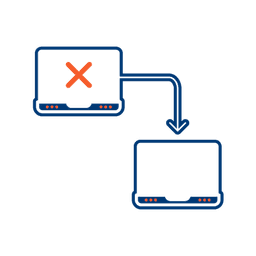
Integrated Failover to the next available channel
Where another channel in our omnichannel platform is unsuccessful in delivering a message, we can automatically fail over to email. Priority and fail over channels are configurable.

Detailed Reporting
Bidvest Data provides near-real-time and periodic aggregate batched reporting on consumer engagement, including link tracking, email delivery status, and customized reports on microsite access.
Ready to Transform Your EMAIL?
Get started today and see immediate results
Frequently Asked Questions
Get answers to common questions about EMAIL