
Setting Up SMS and SVSMS Failover Systems: A Comprehensive Guide for Enterprises
Discover how to set up SMS and SVSMS failover systems to enhance communication reliability and operational continuity in your enterprise. Comprehensive steps and best practices included.
In an increasingly digital business landscape, ensuring uninterrupted communication is paramount for corporate environments, especially in sectors where timely messaging can directly impact customer satisfaction and operational efficiency. This detailed guide focuses on setting up SMS and SVSMS failover systems, a crucial strategy for enterprises seeking resilience and reliability in their communication systems.
Understanding SMS and SVSMS Failover Systems
SMS and SVSMS (Secure Virtual SMS) failover systems are designed to provide uninterrupted messaging services by automatically switching to a secondary system when the primary service encounters issues. This redundancy is essential for businesses that rely on SMS communication for notifications, alerts, and customer engagement, thereby safeguarding against potential downtimes.
Key Benefits of Implementing Failover Systems
- Increased Reliability: Ensures continuous messaging services, which is critical during peak operational hours.
- Enhanced Customer Experience: Minimized risk of communication failures leads to improved customer satisfaction.
- Operational Continuity: Empowers businesses to maintain ongoing operations during unforeseen circumstances or service outages.
- Error Reduction: Automating the failover process minimizes human error associated with manual switching.
Setting Up Your SMS and SVSMS Failover System
Establishing a robust failover system involves careful planning and execution. Here are the essential steps to create an efficient SMS and SVSMS failover setup:
Step 1: Assess Your Communication Needs
Analyze your organization's messaging requirements, including the volume of messages sent, types of alerts, and peak usage times. Understanding these needs helps you determine the best failover configuration.
Step 2: Choose Reliable SMS and SVSMS Providers
Select SMS and SVSMS providers that offer high uptime guarantees, robust infrastructure, and comprehensive support. Look for partners with proven track records in failover solutions.
Step 3: Implement Redundancy
Set up redundant pathways by integrating multiple SMS gateways into your system. This way, if one gateway fails, the system seamlessly switches to another without interruption.
Step 4: Develop Monitoring Mechanisms
Integrate monitoring tools that track the performance and uptime of both SMS and SVSMS providers. These tools help manage potential issues proactively, ensuring rapid responses and adjustments.
Step 5: Regular Testing and Maintenance
Conduct regular tests of your failover systems to identify weaknesses and ensure efficient operation during an actual outage. Schedule routine maintenance to keep systems updated and effective.
Best Practices for Maintaining SMS and SVSMS Failover Systems
Once implemented, following best practices will enhance the effectiveness and reliability of your failover systems:
Key Best Practices
- Document Everything: Keep thorough documentation of your system configurations, processes, and recovery protocols for efficiency and clarity during failover events.
- Engage Stakeholders: Keep stakeholders informed about failover procedures and train relevant staff on system operations, ensuring everyone understands their roles during emergencies.
- Utilize Analytics: Leverage analytics to assess past performance, uncover patterns, and adjust your strategy accordingly to enhance reliability.
- Maintain Compliance: Ensure that your SMS and SVSMS practices adhere to POPIA regulations and industry best practices concerning data security and privacy.
Case Studies: Successful Failover Implementations
Looking at real-world examples can provide valuable insights into the effective implementation of SMS and SVSMS failover systems:
Case Study 1: Financial Services Firm
A leading financial services firm faced challenges with critical transaction alerts due to frequent downtime of their primary SMS provider. By implementing a dual-provider failover system, they reduced alert delays by 90%, significantly enhancing customer trust and satisfaction.
Case Study 2: Healthcare Provider
A healthcare provider relied on SMS notifications for appointment reminders and critical health alerts. Establishing a failover system led to a 95% reduction in missed alerts, improving patient engagement and operational efficiency.
Conclusion
Setting up SMS and SVSMS failover systems is essential for enterprises that prioritize resilience and uninterrupted communication in their operations. By following structured implementations and best practices, organizations can significantly enhance their messaging reliability, ensuring effective customer communication even during unforeseen challenges.
Key Features Include
Discover our comprehensive solution features designed to transform your business communication experience

Personalized Microsites
Bidvest Data sends on average more than 10 million personalized SMS/SV SMS messages per month, with daily peaks exceeding 2 million messages. This comprises mainly of transactional notifications and hosted transactional data.
Secure and Trackable
The SMS channel delivers a secure, shortened personalized URL to the consumer, directing them to their unique microsite. All consumer activity can be tracked.

Zero Rated Data
PDF documents, HTML content, videos and animations can be hosted on our Zero Rated Data domains. Reverse billing of data on these domains ensure access for end users to content at no cost. Bidvest Data offers this service on all South African and Namibian mobile networks.

Customizable
Bidvest Data offers custom-built, screen adaptive, HTML environments, enabling features like animation, rotating GIFs, and interactive buttons.
Large File Batch and Near Real Time Singular Sending
Our service includes automated large file batch sending through sFTP data transfer. The data can selectively drive template messaging. Near real-time SMS sending is facilitated through our API, using templates or dynamic text.
Integrated Failover to the Next Available Channel
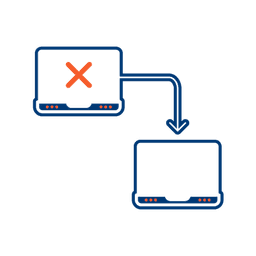
Where another channel in our omnichannel platform is unsuccessful in delivering a message, we can automatically fail over to SMS. Priority and fail over channels are configurable.

Detailed Reporting
Bidvest Data provides near-real-time and periodic aggregate batched reporting on consumer engagement, including link tracking, SMS and SV SMS delivery status, and customized reports on microsite access.
Ready to Transform Your Sms And Svsms?
Get started today and see immediate results
Frequently Asked Questions
Get answers to common questions about Sms And Svsms