
Secure Email Distribution Methods for Enterprises: A Comprehensive Guide
Explore essential secure email distribution methods that protect sensitive information and ensure compliance with POPIA regulations. A detailed guide for enterprise security strategies.
As businesses increasingly rely on email for communicating sensitive information, the need for secure email distribution methods has never been more critical. Understanding the various methods of secure email distribution is essential for IT decision-makers, compliance officers, and operational heads to ensure data confidentiality, integrity, and compliance with regulations like POPIA in South Africa. This comprehensive guide delves into the multifaceted strategies used to distribute emails securely across enterprise environments.
Understanding Secure Email Distribution
Secure email distribution refers to the measures and technologies deployed to protect email communications from unauthorized access and interception. With increasing cybersecurity threats, enterprises need to prioritize secure email practices to protect client data, proprietary information, and ensure regulatory compliance.
Key Principles of Secure Email Distribution
- Data Encryption: Encrypting email content ensures that only intended recipients can read the message, utilizing protocols like S/MIME or PGP.
- Authentication: Implementing strategies such as DKIM, SPF, and DMARC helps verify the identity of the sender and reduces the risk of phishing attacks.
- Access Control: Limiting who can send and receive secure emails within the organization can mitigate the risk of sensitive data exposure.
- Compliance Monitoring: Ensuring secure email methods comply with South African regulations, including POPIA, is crucial for organizational integrity.
Popular Secure Email Distribution Methods
Implementing secure methods for email distribution involves several key technologies and practices:
1. Email Encryption Services
Utilizing services that encrypt emails in transit and at rest enhances security. Solutions such as Bidvest Data's secure email services apply encryption to all outgoing messages to prevent interception.
2. Secure Email Gateway Solutions
Implementing secure email gateways can filter and manage email traffic, preventing spam and phishing attempts while ensuring that sensitive communications are encrypted and secured.
3. Use of Virtual Private Networks (VPNs)
For employees working remotely or in diverse locations, using VPNs can secure the connection through which emails are sent, ensuring that data cannot be intercepted in unsecured networks.
4. Multi-Factor Authentication (MFA)
Adding layers of authentication through MFA ensures that even if login credentials are compromised, unauthorized access to email accounts is prevented.
Case Study: Enhancing Security in Financial Services
A leading South African bank implemented secure email distribution methods that utilized encryption and secure gateways, resulting in a 90% reduction in email-related security incidents over the past year. This implementation not only improved customer trust but also ensured full compliance with POPIA.
Best Practices for Secure Email Distribution
To ensure the effectiveness of secure email distribution, organizations should adhere to the following best practices:
Effective Strategies Include:
- Regular Training and Awareness: Train employees on recognizing phishing attempts and safeguarding sensitive information through secure email practices.
- Policy Development: Establish clear email communication policies outlining security protocols and compliance requirements in adherence to POPIA.
- Periodic Security Audits: Conduct regular audits to assess the effectiveness of the secure email methods in use and identify potential vulnerabilities.
- Incident Response Plan: Create a robust incident response plan to tackle any data breaches or email security lapses swiftly.
Conclusion: The Necessity of Secure Email Distribution
As reliance on electronic communication continues to grow, understanding and implementing secure email distribution methods is no longer optional for enterprises. It not only safeguards confidential data but also helps build trust and confidence among customers and stakeholders. With the right strategies and tools in place, enterprises can mitigate risks and enhance the security of their email communications effectively.
Key Features Include
Discover our comprehensive solution features designed to transform your business communication experience
Managing your sending domains
We implement your designs, images and artwork for optimal delivery. We measure and manage spam ratings, and we monitor and manage blacklisting and reputation of sending domains.

Zero Rated Data
PDF documents, HTML content, videos and animations can be hosted on our Zero Rated Data domains. Reverse billing of data on these domains ensure access for end users to content at no cost. Bidvest Data offers this service on all South African and Namibian mobile networks.
Customizable
Bidvest Data offers custom-built, screen adaptive, HTML environments, enabling features like animation, rotating GIFs, and interactive buttons in the email body and built into the unique microsite.
Large File Batch and Near Real Time Singular Sending
Our service includes automated large file batch sending through sFTP data transfer. The data can selectively drive template messaging. Near real-time email sending is facilitated through our API, using templates or dynamic text.
Integrated Failover to the next available channel
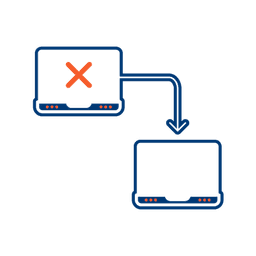
Where another channel in our omnichannel platform is unsuccessful in delivering a message, we can automatically fail over to email. Priority and fail over channels are configurable.

Detailed Reporting
Bidvest Data provides near-real-time and periodic aggregate batched reporting on consumer engagement, including link tracking, email delivery status, and customized reports on microsite access.
Ready to Transform Your EMAIL?
Get started today and see immediate results
Frequently Asked Questions
Get answers to common questions about EMAIL