
Resending Stored Contact Information vs. Live Updates: Optimizing Communication for Enterprises
Explore the pros and cons of resending stored contact information versus using live updates in enterprise communication. Discover the optimal strategies for accuracy and efficiency tailored for South African businesses.
In the fast-paced world of enterprise communication, the efficiency of delivering accurate and timely contact information is crucial. Organizations must decide between resending stored contact information or utilizing live updates for their customer interactions. This detailed exploration delves into the advantages and disadvantages of each approach, offering insights tailored for IT decision-makers, compliance officers, and procurement managers in South African enterprises.
Understanding Contact Information Management
Contact information businesses manage can vary from corporate clients and partners to customers across various sectors. Maintaining accurate contact details allows enterprises to maintain strong relationships, ensure compliance, and enhance service delivery.
The Case for Resending Stored Contact Information
Benefits of Stored Contact Information
- Efficiency: Leveraging pre-stored data minimizes latency, enabling quicker responses during high-demand periods.
- Consistency: Stored information ensures that customer interactions are based on the same dataset, reducing the risk of inconsistencies.
- Simplicity: Sending pre-stored information is straightforward, minimizing the complexity of data retrieval.
- Ease of Integration: For many legacy systems, utilizing stored data enables easier compliance than continually integrating live data from external systems.
Considerations for Using Stored Information
- The risk of outdated information being sent, especially in dynamic industries.
- Potential compliance challenges, particularly regarding data accuracy and POPIA regulations.
- Reputational risks if clients receive inaccurate information repeatedly.
The Advantages of Live Updates
Why Opt for Live Updates?
- Real-Time Accuracy: Clients receive the most current contact information, fostering trust and enhancing communication.
- Dynamic Data Management: live updates adapt to changes in client information, reducing the burden of manual data entry and management.
- Enhanced Customization: Tailoring communications using live data enables targeted messaging, enhancing customer engagement and satisfaction.
Challenges of Live Updates
- Potential increased latency during high-traffic periods as systems gather and verify data.
- Higher complexity in implementation and maintenance, requiring robust integration with various data sources.
- The risk of data errors during real-time retrieval, which could lead to communication issues.
Comparative Analysis: When to Use Each Approach
Choosing between resending stored contact information or live updates greatly depends on the specific operational needs and industry context of the enterprise. Here’s a closer examination of situational applications:
Stored Contact Information is Ideal When:
- Engaging in high-volume, routine communications where consistency is prioritized.
- Collaborating with clients whose information is historically stable without frequent changes.
- Integrating with legacy systems that require reliability over the speed of data access.
Live Updates are Beneficial When:
- Communicating with fast-paced sectors like technology or finance where information changes rapidly.
- Providing personalized service requiring real-time insights and immediate adjustments.
- Meeting compliance requirements that necessitate current data for regulatory reporting.
Implementing a Hybrid Strategy
Many enterprises find success in adopting a hybrid approach, leveraging the strengths of both stored contact information and live updates. This method enables organizations to maintain operational efficiency while ensuring that dynamic changes in client data are captured effectively.
Implementing a hybrid model often involves:
- Using dashboard analytics tools to track data changes in real-time while retaining a fallback on historical data.
- Establishing a protocol for when to revert to stored data based on system performance or external factors.
- Conducting regular reviews of data accuracy to determine the ideal frequency of live updates.
Conclusion: Making the Right Choice for Your Enterprise
Ultimately, the decision between resending stored contact information and utilizing live updates requires careful consideration of an enterprise's unique context, operational requirements, and compliance needs, particularly in relation to POPIA regulations. By weighing the benefits and challenges discussed, organizations can optimize their communication processes, ensuring efficiency, accuracy, and enhanced customer engagement.
Key Features Include
Discover our comprehensive solution features designed to transform your business communication experience
Managing your sending domains
We implement your designs, images and artwork for optimal delivery. We measure and manage spam ratings, and we monitor and manage blacklisting and reputation of sending domains.

Zero Rated Data
PDF documents, HTML content, videos and animations can be hosted on our Zero Rated Data domains. Reverse billing of data on these domains ensure access for end users to content at no cost. Bidvest Data offers this service on all South African and Namibian mobile networks.
Customizable
Bidvest Data offers custom-built, screen adaptive, HTML environments, enabling features like animation, rotating GIFs, and interactive buttons in the email body and built into the unique microsite.
Large File Batch and Near Real Time Singular Sending
Our service includes automated large file batch sending through sFTP data transfer. The data can selectively drive template messaging. Near real-time email sending is facilitated through our API, using templates or dynamic text.
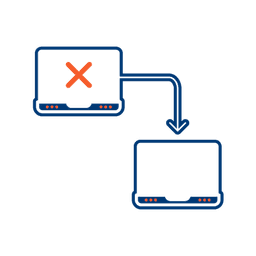
Integrated Failover to the next available channel
Where another channel in our omnichannel platform is unsuccessful in delivering a message, we can automatically fail over to email. Priority and fail over channels are configurable.

Detailed Reporting
Bidvest Data provides near-real-time and periodic aggregate batched reporting on consumer engagement, including link tracking, email delivery status, and customized reports on microsite access.
Ready to Transform Your EMAIL?
Get started today and see immediate results
Frequently Asked Questions
Get answers to common questions about EMAIL