
RCS Messaging vs SMS: Which Is Better for Businesses in South Africa?
Explore the differences between RCS messaging and SMS for businesses in South Africa. Decide what’s better for your enterprise's communication needs and engagement strategy.
In an increasingly digital business environment, communication effectiveness can significantly influence customer engagement and satisfaction. South African enterprises need to make informed decisions regarding messaging platforms. This comprehensive guide explores the key differences between RCS (Rich Communication Services) messaging and traditional SMS (Short Message Service), helping IT decision-makers, compliance officers, and operational heads determine which solution aligns best with their business objectives.
Understanding SMS and RCS Messaging
SMS has been the staple of mobile communication for decades, allowing businesses to send concise text messages up to 160 characters. The simplicity and universality of SMS make it a reliable option for various uses, including promotional campaigns, alerts, and transactional communications.
RCS messaging, introduced as an enhancement over SMS, provides a more interactive experience. With RCS, businesses can utilize rich media such as images, videos, and buttons, creating a more engaging customer interaction. This protocol also allows for analytics and read receipts, which provide insights into message effectiveness.
Key Features Comparison
SMS Features
- Simplicity: Straightforward text messaging without additional elements.
- Universality: Compatible with all mobile phones globally, including those without internet access.
- High Open Rates: Consistent open rates often exceeding 90%.
- Short Content: Limited to 160 characters, necessitating brevity in communication.
RCS Features
- Rich Media Support: Incorporates images, videos, and carousels to enhance messaging.
- Interactivity: Allows buttons for quick actions like shopping, making reservations, or clicking through links.
- Analytics Tracking: Provides metrics on message delivery and engagement.
- Branding Capability: Customizable branding elements enhance brand recognition.
Use Cases: When to Choose SMS or RCS
Decision-makers must evaluate their specific communication needs, which can vary widely across different industries. Here are common use cases:
Compliance Considerations
As businesses adopt new communication technologies, compliance with regulations such as the Protection of Personal Information Act (POPIA) is crucial. Both SMS and RCS platforms must ensure that customer data is protected, consent is acquired for marketing messages, and communication practices align with regulatory requirements.
Cost Consideration for Businesses
Cost effectiveness is another essential factor in selecting an appropriate messaging service. SMS pricing typically operates on a per-message basis, making it predictable and straightforward. RCS, while it may involve higher initial costs for setup and rich media creation, can lead to improved customer engagement, potentially yielding a higher return on investment over time.
Making the Right Choice for Your Business
Ultimately, the decision between RCS messaging and SMS depends on your business goals, target audience, and messaging strategy. While SMS is unbeatable in terms of simplicity and reach, RCS opens new avenues for customer interaction and engagement. Evaluating these options in the context of your communication objectives will ensure that you leverage the most effective messaging solution available.
Key Takeaways
- Evaluate your communication needs: Consider whether rich media or simple text suffices.
- Assess target audience preferences: Understand device capabilities and user behavior.
- Prioritize compliance: Ensure your messaging practices adhere to the POPIA and other relevant regulations.
- Measure success: Utilize analytics to gauge the effectiveness of your messaging strategy.
Key Features Include
Discover our comprehensive solution features designed to transform your business communication experience
Personalized Microsites
Bidvest Data sends on average more than 10 million personalized SMS/SV SMS messages per month, with daily peaks exceeding 2 million messages. This comprises mainly of transactional notifications and hosted transactional data.
Secure and Trackable
The SMS channel delivers a secure, shortened personalized URL to the consumer, directing them to their unique microsite. All consumer activity can be tracked.

Zero Rated Data
PDF documents, HTML content, videos and animations can be hosted on our Zero Rated Data domains. Reverse billing of data on these domains ensure access for end users to content at no cost. Bidvest Data offers this service on all South African and Namibian mobile networks.
Customizable
Bidvest Data offers custom-built, screen adaptive, HTML environments, enabling features like animation, rotating GIFs, and interactive buttons.
Large File Batch and Near Real Time Singular Sending
Our service includes automated large file batch sending through sFTP data transfer. The data can selectively drive template messaging. Near real-time SMS sending is facilitated through our API, using templates or dynamic text.
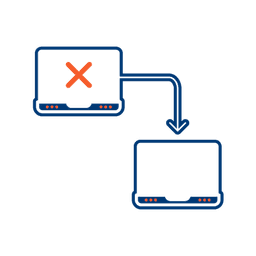
Integrated Failover to the Next Available Channel
Where another channel in our omnichannel platform is unsuccessful in delivering a message, we can automatically fail over to SMS. Priority and fail over channels are configurable.

Detailed Reporting
Bidvest Data provides near-real-time and periodic aggregate batched reporting on consumer engagement, including link tracking, SMS and SV SMS delivery status, and customized reports on microsite access.
Ready to Transform Your Sms And Svsms?
Get started today and see immediate results
Frequently Asked Questions
Get answers to common questions about Sms And Svsms