
Migrate Email Platform: A Comprehensive Guide for South African Enterprises
Discover essential strategies for successfully migrating your email platform as a South African enterprise. Learn about outlining steps, best practices, and overcoming challenges in the transition process.
Migrating an email platform is a critical step for enterprises looking to enhance their communication capabilities, increase security, and streamline operations. This comprehensive guide outlines the methodologies, best practices, and considerations specifically tailored for South African businesses. Whether you're transitioning to a cloud-based system or upgrading your existing setups, understanding the key aspects of email migration will ensure success and minimize potential disruptions.
Why Migrate Your Email Platform?
The decision to migrate an email platform is driven by multiple factors, including:
- Improved Security: Enhanced security features such as encryption, multi-factor authentication, and data loss prevention.
- Scalability: Ability to support growing teams and increased communication volume without significant infrastructure changes.
- Cost Efficiency: Reduced reliance on physical servers and maintenance costs, especially with cloud solutions.
- Integration with Modern Tools: Seamless integration with collaborative tools, CRMs, and productivity applications.
Key Steps in the Email Migration Process
Migrating your email platform involves several essential steps that ensure a smooth transition. These include:
1. Assess Your Current Environment
Before initiating the migration, conduct a thorough assessment of your current email environment. Understand the number of users, the volume of emails, and how email data is currently organized.
2. Define Your Migration Goals
Determine what you want to achieve with the migration. Is it enhanced security? Better collaboration? Increased storage? Clearly defined objectives will guide your selection of the new platform.
3. Choose the Right Email Platform
Select an email platform that meets your business needs, considering factors such as compliance (POPIA), integration capabilities, and user interface. Popular choices among enterprises include Microsoft's Office 365 and Google's Workspace.
4. Develop a Migration Plan
Create a detailed migration plan including timelines, resource allocation, and risk management strategies. This plan should also outline user training sessions and support during the transition.
5. Execute the Migration
Begin the migration process by transferring a pilot group of users first. Monitor performance and resolve any issues before proceeding with the full rollout.
6. Post-Migration Support
Once migration is complete, provide ongoing support to end-users. Offer training sessions and documentation to help them adapt to the new system.
Challenges to Anticipate During Migration
While migrating to a new email platform can be advantageous, there are challenges that organizations must address:
- Data Loss Risks: Implementing robust backup solutions to prevent data loss during migration is crucial.
- User Resistance: Change management strategies can help mitigate resistance from users unfamiliar with the new system.
- Downtime Concerns: Scheduled migration during off-peak hours and proper planning can minimize disruptions to business operations.
Best Practices for a Successful Migration
To ensure a successful email migration, consider these best practices:
- Engage Stakeholders: Involve key IT personnel, compliance teams, and end-users early in the migration process for support and feedback.
- Test Before You Launch: Conduct extensive testing of the new platform prior to full implementation to identify and resolve potential issues.
- Track and Measure Success: Post-migration, analyze user adoption rates, system performance, and feedback for ongoing improvements.
Conclusion
Migrating your email platform is an essential step in modernizing your enterprise communication strategies. By following the steps outlined in this guide, South African businesses can achieve a seamless transition while enhancing security, compliance, and operational efficiency. The key lies in careful planning, execution, and ongoing support to ensure your team fully embraces the new functionalities and benefits available through a modern email platform.
Key Features Include
Discover our comprehensive solution features designed to transform your business communication experience
Managing your sending domains
We implement your designs, images and artwork for optimal delivery. We measure and manage spam ratings, and we monitor and manage blacklisting and reputation of sending domains.

Zero Rated Data
PDF documents, HTML content, videos and animations can be hosted on our Zero Rated Data domains. Reverse billing of data on these domains ensure access for end users to content at no cost. Bidvest Data offers this service on all South African and Namibian mobile networks.
Customizable
Bidvest Data offers custom-built, screen adaptive, HTML environments, enabling features like animation, rotating GIFs, and interactive buttons in the email body and built into the unique microsite.

Large File Batch and Near Real Time Singular Sending
Our service includes automated large file batch sending through sFTP data transfer. The data can selectively drive template messaging. Near real-time email sending is facilitated through our API, using templates or dynamic text.
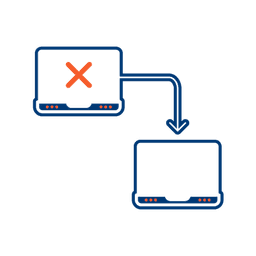
Integrated Failover to the next available channel
Where another channel in our omnichannel platform is unsuccessful in delivering a message, we can automatically fail over to email. Priority and fail over channels are configurable.

Detailed Reporting
Bidvest Data provides near-real-time and periodic aggregate batched reporting on consumer engagement, including link tracking, email delivery status, and customized reports on microsite access.
Ready to Transform Your EMAIL?
Get started today and see immediate results
Frequently Asked Questions
Get answers to common questions about EMAIL